
Pokemon Card Grading ROI Calculator
Compare raw-card value with graded comps or your own estimate, then add grading costs, shipping, and selling fees to find your break-even point.
Currency
USD
Input
Estimate
Save
Unsaved
Start
Build a grading math check
Loading graded comps. You can enter a manual estimate now.
How the calculation works
All money inputs are USD. Fee rate = selling fee percentage ÷ 100. Net graded value = graded value − selling fee − grading cost − shipping. Spread = net graded value − raw value. Break-even graded value = (raw value + grading cost + shipping) ÷ (1 − fee rate).
Example: raw $100, graded $200, grading $25, shipping $5, and a 10% fee gives a $20 fee, $150 net, +$50 spread, and a $144.45 break-even.
Grade odds are not modeled. Costs are treated per card, and a manual estimate is uncertain.Read the grading guide.Read our methodology.
Review
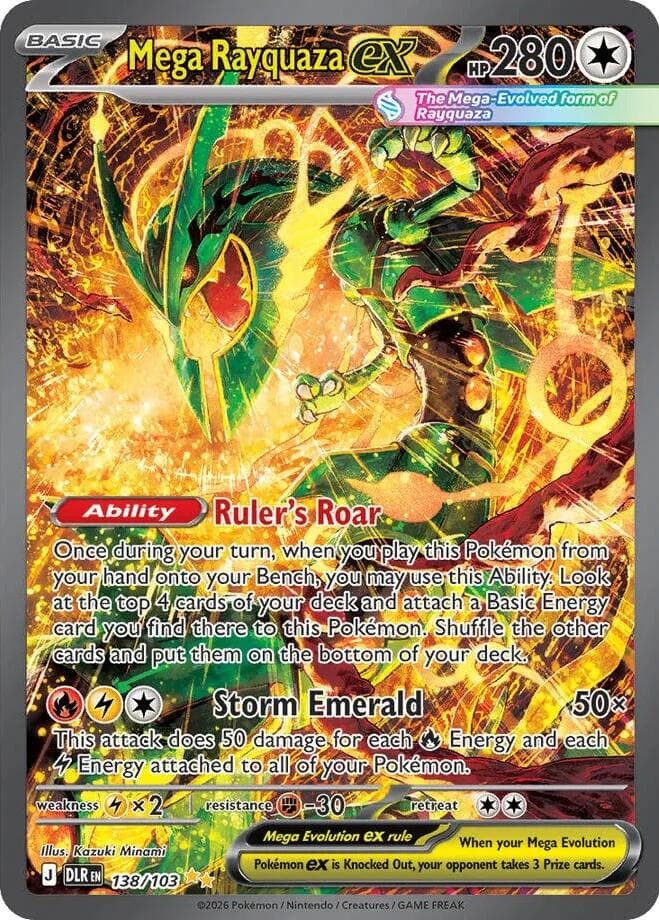
Mega Rayquaza ex
Delta Reign · #138/103
Calculation
Complete inputs
Add a raw value, graded comp or manual estimate, costs, and a valid selling fee.
Scan cards and track what your collection is worth in the free app
Get the free app


How to tell if grading a Pokemon card is worth it
Grading pays only when the graded sale price beats the raw price by more than the grading fee, shipping, and selling fees. This calculator does that subtraction and shows your break-even point.
Step 1
Start with the raw value
Search the card to load its raw value, or type the raw value in yourself.
Step 2
Add the graded price and costs
Pick a graded comp, or enter your own estimate for the grade you expect, then enter the grading fee and shipping.
Step 3
Compare against break-even
Read net value, spread over keeping it raw, and the break-even graded value.
Worked example: is one card worth grading?
The raw value and graded comp below are example numbers for illustration, not market data. The grading fee is the PSA Standard tier of $59.99 (up to $1,000 declared value), read from PSA's trading card grading services page on October 25, 2026 and recorded in our grading cost guide. Shipping and the 13% selling fee are the calculator's defaults. Fees change, so confirm them on PSA's site before you submit.
- Raw value
- $40.00
- Graded comp (example)
- $150.00
- Grading fee
- $59.99
- Shipping
- $10.00
- Selling fee, 13%
- $19.50
- Net after costs
- $60.51
- Spread over keeping it raw
- +$20.51
- Break-even graded value
- $126.43
Now test one grade lower. If the graded comp is only $70.00, the same costs leave a net of -$9.09 and a spread of -$49.09. Grade only when the realistic grade still clears break-even.
Common questions
- What is the break-even graded value?
- Break-even is the lowest graded sale price at which grading matches simply keeping the card raw: (raw value + grading fee + shipping) divided by (1 minus your selling fee rate). Anything above it is profit from grading.
- What graded price should I enter?
- Use a recent sale of the same card at the grade you realistically expect, not the best grade it could get. If you have no comp, type your own estimate in the manual field and test a lower one too.
- What grading fee should I use?
- Enter the current service fee for the tier you would pay. As of October 25, 2026 PSA Standard was $59.99, but companies pause tiers, set minimums, and change prices, so check the official page first. Our grading cost guide has the full snapshot.
- What is the selling fee percent?
- It is the share of the sale price a marketplace or payment processor keeps. The calculator starts at 13% and you can change it to match where you sell.
- Should I test a lower grade?
- Yes. Rerun the calculator with the graded comp one grade lower. If the result goes negative, the card depends on a perfect grade and the risk is yours.