How To Ship Pokemon Cards Safely When Selling Online
Protection should match the card, not habit.
Shipping is the last mile where a correct listing can still turn into a bad sale. The package should prove the same thing the listing promised: exact card, stated condition, protected surfaces, and a buyer who knows what to expect when the mailer opens.
- Match the package to the exact card, condition promise, quantity, and buyer expectation.
- Check current eBay standard envelope and USPS rules before buying the label.
- Use sleeve, holder, moisture layer, movement control, and route-appropriate support.
- Photograph the card, package layers, and label record before the shipment leaves.
- Treat slabs, raw singles, small lots, and weather-risk orders as different shipping problems.
- Keep tape away from the card path. A pull tab is cheaper than a buyer cutting into a sleeve or top loader.
The Shipping Read
To ship Pokemon cards safely, match the packaging method to the card's value context, fragility, quantity, and buyer expectations. A raw single, slab, small lot, and higher-context card should not all be packed the same way. The bigger collector issue is risk transfer. Once a card leaves your hands, packaging and documentation are the only evidence of care.
Safe shipping is a risk decision before it is a supplies checklist. What is the card? What condition was promised? What happens if the envelope bends? Does the buyer expect tracking? Is the card replaceable? A serious seller chooses protection from those questions.
- Card type: Raw single, slab, lot, sealed item. Each type needs different support. A slab needs corner and case protection, while a raw card needs sleeve and rigid support.
- Condition promise: Photos, notes, surface sensitivity. The package should protect the condition you represented in the listing.
- Tracking fit: Envelope, rigid mailer, box, carrier service. Check current marketplace and carrier rules instead of relying on old habits.
- Documentation: Photos before packing, order note, scan or tracking. Documentation helps resolve issues if the buyer reports damage or non-delivery.
I would judge the package by the weakest link in the chain: identity record, condition record, sleeve, rigid support, moisture layer, movement control, and service fit. One missing link can turn a good sale into a dispute.
Higher-context cards need a shipping record that preserves exact card identity, condition promise, packaging photos, and the service route.
Price and chart data update with BinderDex · Last refreshed Oct 11, 2026. Editorial commentary reflects the article's published snapshot.
Official Pages To Check Before Buying The Label
Shipping rules change, and small package details matter. Use official pages for the route, then use collector judgment for the card.
 Envelope routeeBay standard envelopeUse this when considering eBay standard envelope. It lists eligible categories, weight and size constraints, flexibility expectations, uniform thickness, tracking, and protection details.
 Carrier prepUSPS package preparationUse this for general USPS package preparation. USPS emphasizes packaging that is strong enough to protect the contents and does not bulge.
The Bigger Collector Issue
Most shipping mistakes come from using a habit instead of matching the route. A raw single, slab, small lot, and higher-context order have different failure modes. The right package protects the condition you represented, not a generic idea of the card.
Documentation is part of protection. Once the card leaves, the record of what was sold and how it was packed becomes the evidence trail if anything goes wrong.
The Packaging Routes
| Route | Use when | Package shape | Main risk |
|---|---|---|---|
| eBay standard envelope | The order fits current category, weight, thickness, and flexibility rules. | Flexible, uniform-thickness envelope. | Over-building the package can make it ineligible; under-building can bend the card. |
| Rigid mailer | The card needs more bend protection than an envelope route can safely provide. | Card in sleeve, holder, team bag, and rigid support. | Too much pressure can dent corners or make opening risky. |
| Small box | Slabs, multiple cards, higher-context orders, or fragile cases. | Internal padding, no loose movement, protected corners. | A box still fails if the slab rattles inside. |
| Hold shipment | Identity, address, condition, or service fit is unclear. | No package yet. | Rushing creates the dispute before the label is printed. |
Concrete Shipping Examples
These examples use verified BinderDex evidence where price rows are named. The package should match the card's risk profile instead of the seller's usual habit.
Different cards deserve different proof and packaging because the condition promise, value context, and buyer expectation are different.

| Order type | Better route | Minimum evidence trail | Reason |
|---|---|---|---|
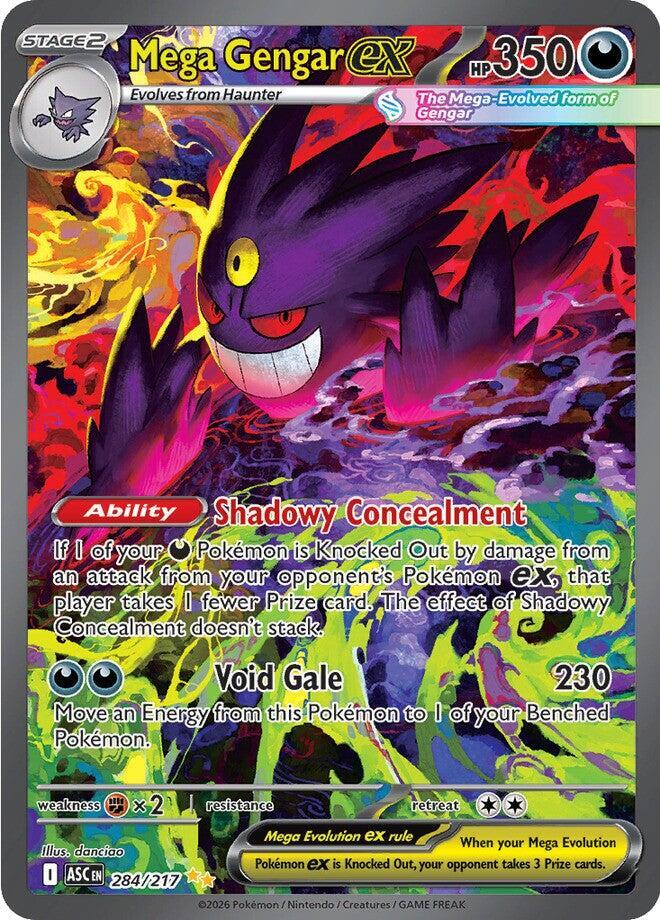
| Mega Gengar ex, Ascended Heroes, 284/217, Collectr NM holo $1,360.59 | Tracked rigid mailer or small box, with stronger moisture and movement control. | Front/back photos, condition note, sleeve/top-loader or semi-rigid photo, sealed layer, outer package, tracking record. | A four-figure condition-sensitive card needs proof of the exact card and the packaging chain. |
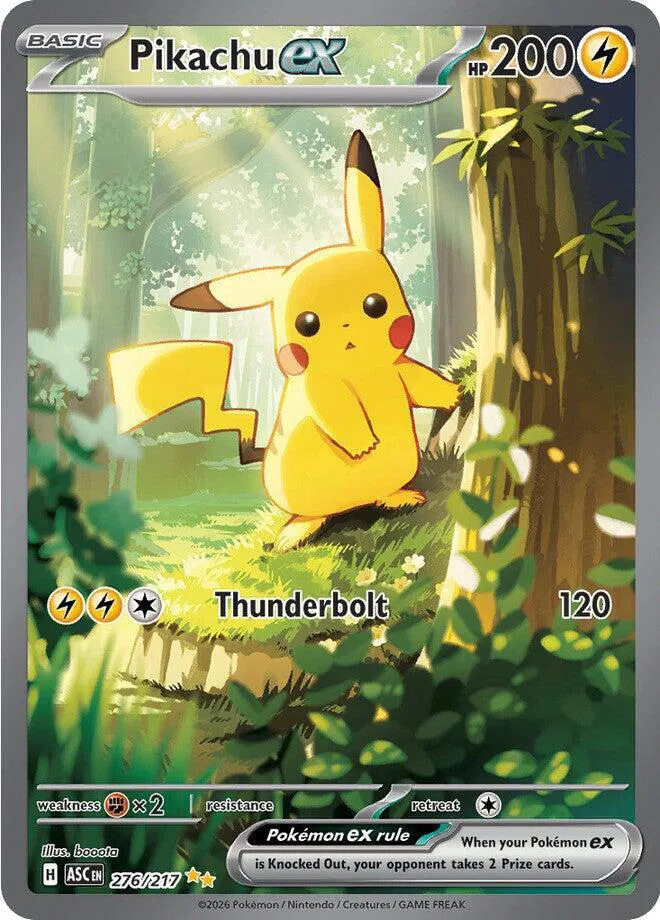
| Pikachu ex, Ascended Heroes, 276/217, TCGplayer NM $1,224.19 and LP $856.97 | Tracked route with photos before and after packing. | Back photo is mandatory, plus surface/edge photos if condition is part of the price. | The condition gap is large enough that shipping damage or weak proof can become expensive. |
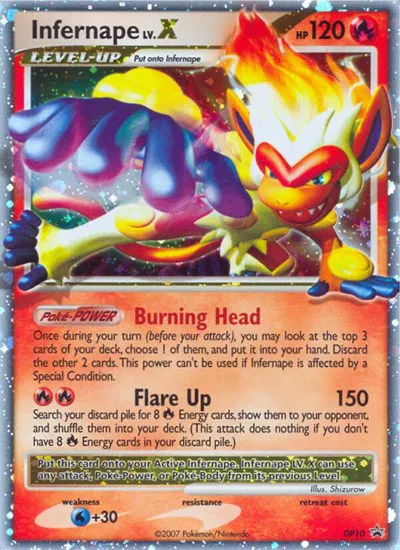
| Infernape Lv.X, Diamond and Pearl Promos, DP10, TCGplayer NM $77.82 | Rigid mailer with clear condition disclosure. | Front/back photos, corner close-ups, holder/team-bag photo, label record. | Older promos can have condition-sensitive buyers even when they are not four-figure cards. |
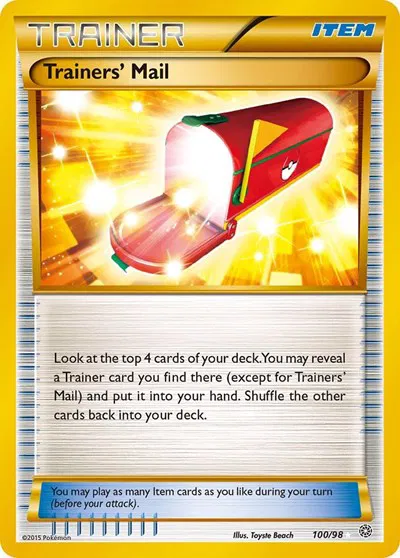
| Trainers' Mail, Ancient Origins, 100, low-dollar trainer order | Envelope route only if current rules and risk fit; otherwise group with a lot or order. | Card photo, package photo, order record. | This is where route discipline matters: do not overbuild an envelope, but do not hide the card in a vague lot either. |
| Oddish, Ancient Origins, 1, low-dollar set-filler order | Bulk/set-filler shipment or low-risk envelope route after buyer expectation is clear. | Count or card photo, stack photo if grouped, moisture layer. | Low-dollar cards still need accurate counts and no preventable bending, but they do not need four-figure packaging. |
A Better Workflow
1. Photograph and record before packing
Save the exact card identity, condition photos, and order details before the card goes into packaging. That record helps with disputes and keeps you from mixing orders when several cards are being shipped at once. BinderDex can keep card identity and sale notes tied together before the card leaves.
Do this before supplies come out. If several orders are open, the identity record prevents the most basic failure: shipping the wrong card carefully.
2. Protect raw singles in layers
For a raw single, use a sleeve, a semi-rigid holder or top loader, team bag or moisture protection, and rigid support appropriate to the shipping method. Avoid pressure points, loose movement, and tape that can touch the card. The goal is to stop surface rub, edge pressure, bending, and moisture without making the package difficult to open safely.
The layers should solve different problems. Sleeve for surface, holder for stiffness, team bag for moisture, support for bending, and careful tape placement for safe opening.
Do not tape over the mouth of the top loader without a pull tab. Do not let loose tape face the card. Do not press the card so tightly between supports that the corners take the pressure. Most bad packing is either too flimsy or too aggressive.
3. Treat slabs and lots differently
A slab can crack, scuff, or shift inside a mailer. Wrap the slab, protect the corners, and use a box or rigid mailer when the card context justifies it. A lot needs movement control more than presentation. Stack cards securely, avoid over-tight pressure, protect from moisture, and make sure the package cannot burst if handled roughly.
Do not confuse sturdier with safer. Slabs and lots need room control; raw singles need pressure control. Overpacking can create its own risk.
4. Match service to buyer expectation
Marketplace programs such as eBay standard envelope have specific eligibility and handling rules that should be checked on the current official page. For cards outside those rules, use a service that provides the tracking and protection level the buyer expects. Shipping too cheaply can create more risk than it saves.
This is where live policy matters. Envelope programs, tracking rules, and eligibility limits can change, so the shipping method should be checked before the label is bought.
5. Check the envelope route against actual rules
eBay standard envelope can be useful for eligible trading-card shipments, but it is not a magic shield. eBay says these envelopes must be flexible enough for sorting equipment, uniformly thick, no more than one-quarter inch thick, and no heavier than 3 ounces.
That creates the tradeoff. A top loader, team bag, and support can protect the card, but too much rigidity or uneven thickness can break the route. If the card needs a rigid package, use a different service rather than forcing it into an envelope program.
Shipment Cases
These are the cases I would want the article to solve, because they mirror the decisions sellers actually face.
Low-risk raw single
An eligible, lower-risk raw single can use eBay standard envelope only if the whole package still fits the current envelope rules. eBay's standard-envelope page is useful because it names the constraints. The seller still has to avoid building a rigid brick that breaks the route.
Near-mint promise or fragile corners
Once the listing promises condition, the shipment should protect that promise. Sleeve, holder, team bag, rigid support, and safe opening matter more than saving a small amount on postage.
High-context card
A card such as Mega Gengar ex should carry a stronger record: front/back photos, packaging sequence photos, route choice, and tracking posture. If there is a dispute, the seller needs proof of the exact card and how it was protected.
Graded slab
A slab can crack, scuff, or shift. USPS says packages should be strong enough to protect the contents and should not bulge; a loose slab in a box fails that test. If you are deciding whether a raw card should be graded before sale, check how much it costs to grade a Pokemon card before you build the shipping plan around a future slab.
Small lot
For a lot, count, pressure, and movement control are the risk. A lot can arrive damaged even when every card was technically sleeved.
Weather risk
Rain, mailbox exposure, or long transit should raise the moisture standard. A team bag or sealed layer matters when water is the likely failure point. Rigid support alone does not stop moisture.
Shipping Proof Standard
Before buying the label, the shipment should be explainable from the card outward.
The record should answer five questions: which exact card sold, what condition was represented, what route was chosen, what rule or buyer expectation made that route reasonable, and what photos prove the package matched the promise.
That is more useful than saying "use a top loader." A top loader helps a raw card, but it does not by itself prove the envelope stayed eligible, the card stayed dry, the slab could not rattle, or the lot count was documented.
For higher-context orders, keep the scan or acceptance record when available. A label purchase is not the same as proof the package entered the carrier stream.
Safe shipping is partly live policy. Marketplace envelope programs, tracking rules, carrier handling expectations, and insurance choices can change. The seller still has to check current rules for the route being used. That final check is part of the shipment.
Tradeoffs Before You Act
Route choice should follow the card, not the habit. A cheap raw single needs a different package than a slab, a condition-sensitive card, or a multi-card lot. The seller decision is whether the extra protection, tracking, and proof are worth the card context and buyer expectation.
| Action | Best when | Check first | Watch out for |
|---|---|---|---|
| Envelope route | The card fits current marketplace eligibility and the risk profile is low. | Current envelope rules, thickness, protection, and tracking availability. | Bending, moisture, and rule changes. |
| Rigid mailer | The card needs more support but does not require a full box. | Sleeve, holder, team bag, cardboard support, and movement control. | Over-tight packing can press corners. |
| Box | You are shipping slabs, multiple cards, or higher-context orders. | Internal padding, slab corners, and tracking. | Loose movement inside a box still causes damage. |
| Hold shipment | Identity, condition, address, or service rules are unclear. | Order details and current marketplace policy. | Rushing creates preventable disputes. |
The weak link decides the route. If the card is cheap but condition-sensitive, the weak link may be bending. If the card is graded, the weak link may be case movement. If the route is eBay standard envelope, the weak link may be thickness or flexibility.
Packaging should be strong enough that a normal bad handling day does not decide the card's condition. That does not mean every card needs a box. It means the protection should match the card, promise, service, and buyer expectation. Cheap shipping is not cheap if it creates the dispute.
A fragile slab case, higher buyer expectation, bad weather, stricter marketplace rule, or condition-sensitive card can push the packaging route up. The package is part of the seller's promise.
How BinderDex Fits
BinderDex belongs at the record-keeping step. For this topic, the product role is to preserve exact-card context: card identity, binder fit, watchlist status, portfolio notes, and the reason a card moved into a given route. BinderDex helps sellers keep card identity and sale notes clear before packaging the card.
That matters because shipping mistakes often start before the envelope exists. A collector sees a number but forgets the condition. A card gets sorted as bulk but later turns out to fill a set. A slab is compared against raw comps. A misprint candidate is remembered as confirmed even though it was only plausible. Keeping the decision history close to the card makes those mistakes easier to avoid.
Before packing, use BinderDex to confirm the exact card, sale note, and route. Then check official sources, marketplace pages, and current policy pages for the claims that matter before money, cards, or time move.
If the route decision is really a sale decision, pair this with should you sell Pokemon cards individually or as a lot before buying supplies or labels.
When packaging effort depends on the card's value, confirm the exact version with how to check Pokemon card value. If the order is a bulk box instead of one card, use how to sell bulk Pokemon cards without missing the keepers before deciding how much protection and documentation the shipment deserves.
The clean route: package from the card outward, document the condition and layers, then buy the service that matches the promise you made in the listing.
FAQ
Can I ship Pokemon cards in an eBay standard envelope?
Only when the order fits the current eBay standard envelope rules for category, weight, thickness, flexibility, and handling. If the card needs rigid protection that breaks those rules, use a different service.
Is a top loader enough for shipping a raw card?
Not by itself. A top loader helps with stiffness, but the package still needs surface protection, moisture protection, safe tape placement, movement control, and a service that fits the order.
How should I ship a graded Pokemon card?
Protect the slab case and the card inside it. Use padding, corner protection, movement control, and tracking that matches the buyer expectation and slab context.
Should I photograph the package before shipping?
Yes. Photograph the exact card, condition, sleeve or holder, sealed layer, outer package, and label or tracking record. The record helps if the buyer reports damage or non-delivery.
What To Watch Next
- Policy changes: Check current marketplace and carrier pages before relying on an envelope program. Risk: Eligibility and tracking rules can change.
- Tape placement: Keep tape away from the card and use pull tabs where possible. Risk: Buyer damage during opening can become your problem.
- Moisture: Use a team bag or sealed layer when the route exposes the card to weather. Risk: A rigid package can still fail if moisture reaches the card.
- Slab corners: Protect slabs from corner impact and loose movement. Risk: The card can arrive fine while the case arrives damaged.
Know exactly what is in your collection.
Download BinderDex on iPhone or Android to track exact printings, organize your binders, and follow card and sealed product values in one place.
Prefer mobile?