Best Pokemon Grading Company? PSA vs CGC vs BGS vs TAG
Pick the slab for the card's job, then check whether that service is open.
If you want one answer, use this one: PSA is the first comparison for broad buyer familiarity, CGC has the clearest route for documented error cards, BGS is the subgrade and label-preference option, and TAG is the digital-report option.
That answer is only a starting point. On August 14, 2026, PSA's four Value services were unavailable. TAG's Basic, Standard, and Express services were sold out, with its storefront saying regular tiers were paused. A favorite grading company is not much of a plan when the service you priced is closed.
The best Pokemon grading company is the one that fits the card's job, accepts the card, offers a service you can buy, and still makes sense if the grade comes back one point lower than you hoped.
- Best first comparison for broad buyer familiarity: PSA
- Best current route for a documented printing error: CGC Cards
- Best for visible centering, corner, edge, and surface subgrades: BGS
- Best for a detailed digital grading report and slab imaging: TAG
- Best for a card that needs a 10 to justify the bill: probably none yet
Current grading prices and availability
This is a U.S. direct-submission snapshot checked on August 14, 2026. It is not a promise about what the pages will show next week. Fees exclude outbound shipping, return shipping, insurance, supplies, membership, dealer or group-submitter charges, and possible value-based adjustments.
| Company | Lowest practical route shown | Current timing | The catch |
|---|---|---|---|
| PSA | Regular: $79.99 per card, $1,500 maximum insured value | 40 to 50 business days estimated | Value Bulk, Value, Value Plus, and Value Max are unavailable |
| CGC Cards | Economy: $20 per card, $1,000 maximum value | 90 working days estimated | The $17 Bulk tier requires 25 cards and lists 150 working days |
| BGS | Base: $14.95 without subgrades or $17.95 with subgrades | 75-plus business days estimated | Faster tiers cost $34.95, $79.95, or $124.95 per card |
| TAG | Priority: $149 per card while regular tiers are paused | 5 business days estimated | Basic, Standard, and Express are sold out in the current storefront |
Cheap and fast are different products. CGC Economy costs $20 but lists 90 working days. CGC Standard costs $55 and lists 10. BGS Base starts below $20 but lists at least 75 business days. A $79.99 PSA Regular submission is not a substitute for the Value tier you planned around, especially if that cheaper tier was the only reason the card worked.
TAG makes the availability problem even plainer. Its documentation lists Basic at $22, Standard at $39, and Express at $59, but those services were sold out when this article was checked. Priority and Walkthrough remained listed. Do not build submission math around an unavailable button.
- The service is accepting orders today.
- The card fits the tier's maximum value and accepted categories.
- The turnaround estimate starts when the company says it starts.
- Shipping, insurance, supplies, membership, and possible upcharges are in the budget.
- The lower likely grade still leaves you happy with the decision.
Choose the company in five questions
1. What is the slab supposed to do?
Write down one job: sell more easily, document an error, display detailed condition scores, preserve a sentimental card, join a registry, or keep a digital grading record. "It might be worth more" is not a job. It is a hope with postage attached.
2. What grade range is honest?
Inspect centering, corners, edges, surface, dents, print lines, holo scratching, and back whitening. Use a range, not a single target. If your calculation works at a 10 and falls apart at a 9, the company decision is premature.
3. Which service can you buy?
Current availability belongs near the top of the decision. PSA and TAG both prove why. A paused low-cost tier can turn a sensible submission into an expensive one without changing anything about the card.
4. Who is the eventual audience?
For a future sale, look at buyers of that exact card and grade. For a personal collection, your preference carries more weight. A BGS label or TAG report can be the point for a display card even when you would choose a different route for resale.
5. What makes you stop?
Name the veto before you pay: weak one-grade-down math, no accepted error category, an unavailable tier, a card value above the service limit, or damage you cannot explain. A written stop rule is much cheaper than rewriting the story after the grade arrives.
 PSAStart here when broad buyer familiarity or registry use is part of the card's job.Value services were unavailable when this article was checked.
 CGC CardsCompare CGC for error cards, crossovers, and a lower direct entry price.The cheapest tiers currently carry long turnaround estimates.
 BGSCompare BGS when visible condition subgrades or the Beckett label matter.Choose subgrades only if the detail earns its extra cost for you.
 TAGCompare TAG when the digital report, images, and slab presentation are the point.Regular grading tiers were paused when this article was checked.
PSA: market-familiar route
PSA is the sensible first comparison when you expect to sell and want a grading label many buyers already understand. It also has a set registry, population report, certification lookup, and a large body of PSA-specific price history. None of that guarantees a better grade or a profitable submission.
The current availability is the problem. PSA's Value Bulk, Value, Value Plus, and Value Max services were all marked unavailable on August 14. Regular was the lowest open tier at $79.99 per card with a $1,500 maximum insured value and a 40 to 50 business-day estimate. Express was $149 with a 20 to 30 business-day estimate.
That changes the cards worth sending. A modern card that made sense at a paused Value price may not make sense at $79.99 before shipping. Do the calculation again with the open tier. If you decide to wait, record the condition notes now so you do not have to convince yourself later that a surface line disappeared.
PSA fits when broad market familiarity is part of the job and the open service tier works at the card's honest grade range. Wait when the unavailable tier is the only one that makes the numbers work.
CGC: error and lower-entry route
CGC has two practical advantages in the current snapshot. It offers a lower direct entry price than PSA's open tiers, and its service table gives printing errors an explicit route. CGC lists its Error add-on as required for a card with a printing error and currently charges no additional fee for it.
That does not turn damage into an error. Name the suspected error, photograph it, identify the exact printing, and rule out creases, scratches, ink loss, moisture, trimming, or other post-production damage before submitting. A checked box is not evidence.
The cheap routes ask for patience. Economy was $20 per card with a $1,000 maximum value and a 90-working-day estimate. Bulk was $17, required at least 25 cards, and listed 150 working days. Standard was $55 with a 10-working-day estimate. CGC also says cards that are not already in its database may take longer while its team researches them.
CGC fits when the accepted-card rules, error process, crossover route, or lower direct fee matches the job. Price the wait as part of the service, especially if the card was supposed to be sold soon.
BGS: subgrade route
BGS is the clearest choice when visible condition detail matters. Beckett's current material describes four condition scores on the label: centering, corners, edges, and surface. Its grading scale also uses half-point increments. That can make a BGS slab more informative to a collector who wants to see where the grade came from.
The Base service was $14.95 without subgrades or $17.95 with them, with an estimate of at least 75 business days. Standard was $34.95 with a 45-business-day estimate. Express was $79.95 for 15 business days, and Priority was $124.95 for 5.
Do not pay for subgrades by reflex. They make sense when the detail changes how you collect, display, or sell the card. They are decoration if you never plan to use the information. The same test applies to the Beckett label: the owner can prefer it, but a resale-minded submission should consider whether buyers of that exact card share the preference.
Pick BGS when subgrades or Beckett's label are part of the desired result. Do not pick it because a perfect-grade label makes the best thumbnail. That is the least likely outcome, not the submission plan.
TAG: digital-report route
TAG is the report-first option. Its service documentation says grading tiers include raw-card images, slab imaging, UV protection, and a QR-accessible Digital Imaging and Grading report. Some tiers add a 1000-point TAG Score, card rank, premium imaging, or a more detailed DIG+ report.
Availability currently limits the answer. TAG's storefront said regular tiers were paused, with Basic, Standard, and Express sold out. Priority remained listed at $149 with an estimated five business days and a $2,500 insurance cap. Walkthrough remained listed at $299 with an estimated two to three business days and a $5,000 cap.
The report can be useful for a collector who wants condition documentation and presentation. It does not automatically create the same buyer pool as a more familiar grading label. Decide whether the report is valuable to you even if the eventual buyer cares less about it.
TAG makes sense when the report and images are part of the card's job and an open tier fits the budget. Wait when you only wanted a paused regular tier. Paying $149 to avoid waiting for a $22 option needs a better reason than impatience.
Four card jobs
The same Pokemon card can point to different grading companies when its job changes. Start with the use case, not the logo.
Use the exact printing and an honest condition range before comparing grading routes.
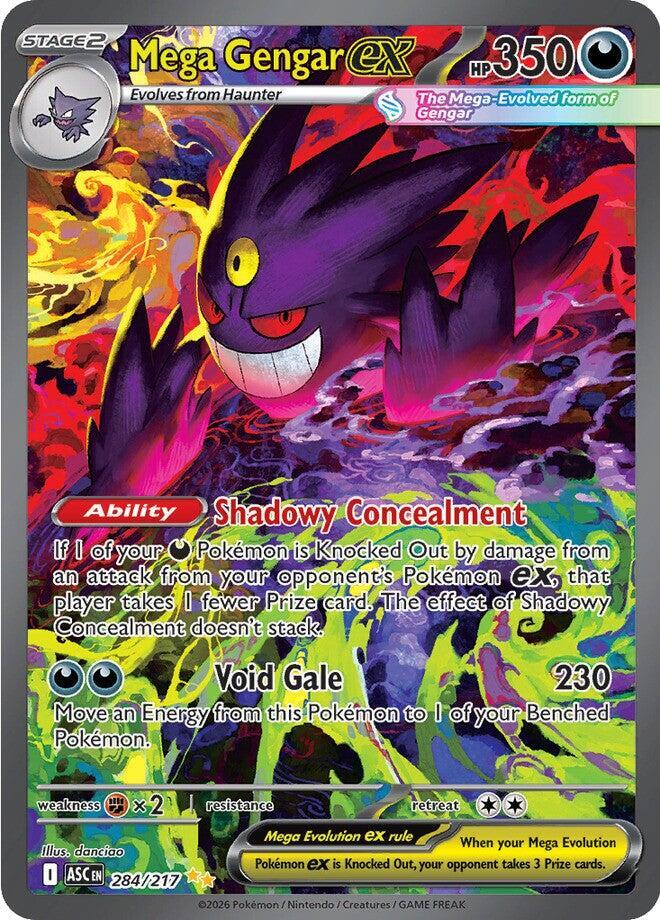
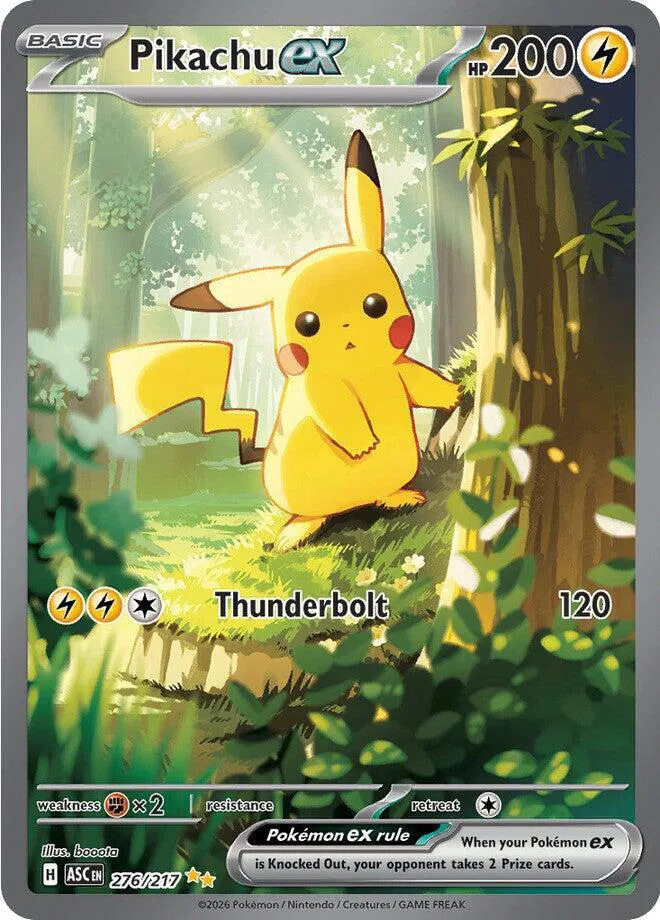

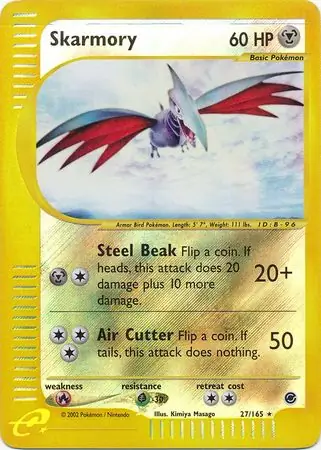 Buyer familiarityPSAStart here for a modern chase card intended for a later sale.Stop if the open PSA tier costs too much or the grade-nine outcome is weak.Error routeCGC CardsCompare CGC for a documented printing-error candidate.Rule out damage and confirm that CGC supports the requested error label.SubgradesBGSCompare BGS for a clean card whose owner wants visible condition detail.Skip the extra detail when it does not matter to you or the likely buyer.Digital recordTAGCompare TAG for a sentimental display card whose owner wants images and a report.Wait if the regular tier you wanted is paused and the open tier is not worth it.
A played binder card with no sale or documentation job can stay raw. There is no problem a slab needs to solve.
For a modern chase card, write the likely grade range before looking at graded prices. For an older holo, identify the exact finish and inspect scratching under angled light. For an error candidate, document the anomaly before picking CGC. For a sentimental card, admit that the return is personal. That is allowed. Just do not dress personal preference up as resale math.
Do the submission math
The grading fee is only one line.
Grading fee + outbound shipping + return shipping + insurance + supplies or submitter fees + possible value adjustment = landed grading cost
Then compare three outcomes: the card stays raw, the card earns the lower likely grade, and the card earns the higher likely grade. Ignore the impossible perfect result. If the lower likely grade makes you regret the submission, stop.
Use the Pokemon card grading calculator to compare each graded-value estimate with the card's raw value, grading and shipping costs, and selling fees. Run the lower and higher grade scenarios separately; the calculator does not predict which grade your card will receive.
Turnaround belongs in the math too. A 90 or 150 working-day estimate can be fine for a personal collection. It is a poor fit for a card you planned to sell during a short release window. The calendar is part of the cost even when the grading company does not put a dollar sign beside it.
Before mailing anything, save:
- Front, back, corner, edge, and surface photos.
- The exact card name, set, collector number, language, and finish.
- The service, declared value, fee, and availability shown when you ordered.
- The expected grade range and the outcome that would count as a miss.
- Shipment tracking, insurance, and the packed-box photo.
That record will not change the grade. It will stop you from forgetting the assumptions that produced the submission.
How BinderDex fits
Use BinderDex to keep the card identity, raw market context, condition notes, target company, and grading reason together. A useful note is specific:
Consider PSA for future sale only if surface and centering keep a 10 plausible. Recheck the PSA service page. Do not submit if the one-grade-lower route is weak.
For a possible error card, name what you see and what still needs to be ruled out. For a TAG display card, record why the DIG report matters. For a BGS submission, record whether you are paying for subgrades and what you expect them to help you understand.
If condition is still uncertain, start with how to grade Pokemon cards and what collectors should check first. If the decision depends on the top two grades, use PSA 10 vs PSA 9. For the full cost, use how much it costs to grade a Pokemon card.
The clean route is simple: identify the card, inspect it, choose the slab's job, confirm an open service, calculate the lower-grade outcome, and document the shipment. The logo comes after those decisions.
FAQ
What is the best grading company for Pokemon cards?
PSA is the best first comparison when broad buyer familiarity matters. CGC is strong for documented error cards and lower direct-entry pricing, BGS for visible subgrades, and TAG for digital reports and imaging. Current availability and the card's likely grade can change the answer.
Is PSA or CGC better for Pokemon cards?
Choose based on the job. PSA is usually the first comparison for a sale-minded card. CGC can fit an error candidate, crossover, or lower-cost direct submission. On August 14, 2026, PSA's Value tiers were unavailable, while CGC Economy was open at a much lower fee but carried a longer estimate.
Is BGS better than PSA for Pokemon cards?
BGS can be better when visible centering, corner, edge, and surface subgrades or the Beckett label matter to you. PSA can be a better first comparison when broad buyer familiarity is the goal. Neither company improves the condition of the card you submit.
Is TAG good for Pokemon cards?
TAG is worth comparing when you care about its digital grading report, card images, and slab presentation. Check availability first. TAG's regular tiers were paused when this article was checked, so the cheapest open grading route was much higher than its advertised Basic service.
Which grading company is cheapest?
In this snapshot, BGS Base without subgrades had the lowest listed per-card price, while CGC offered a $20 Economy route without a 25-card minimum. Price alone is incomplete. Add shipping, insurance, supplies, membership or submitter charges, turnaround, and any value adjustment.
Should I grade a Pokemon card if it needs a 10 to be profitable?
Usually not yet. Inspect the card again and run the outcome at the lower likely grade. A submission that only works at the best possible grade has no room for an ordinary result.
Know exactly what is in your collection.
Download BinderDex on iPhone or Android to track exact printings, organize your binders, and follow card and sealed product values in one place.
Prefer mobile?