Pokemon Chase Cards Explained
A collector-first explanation of Pokemon chase cards, set depth, and how to use BinderDex to separate hype from real set signals.
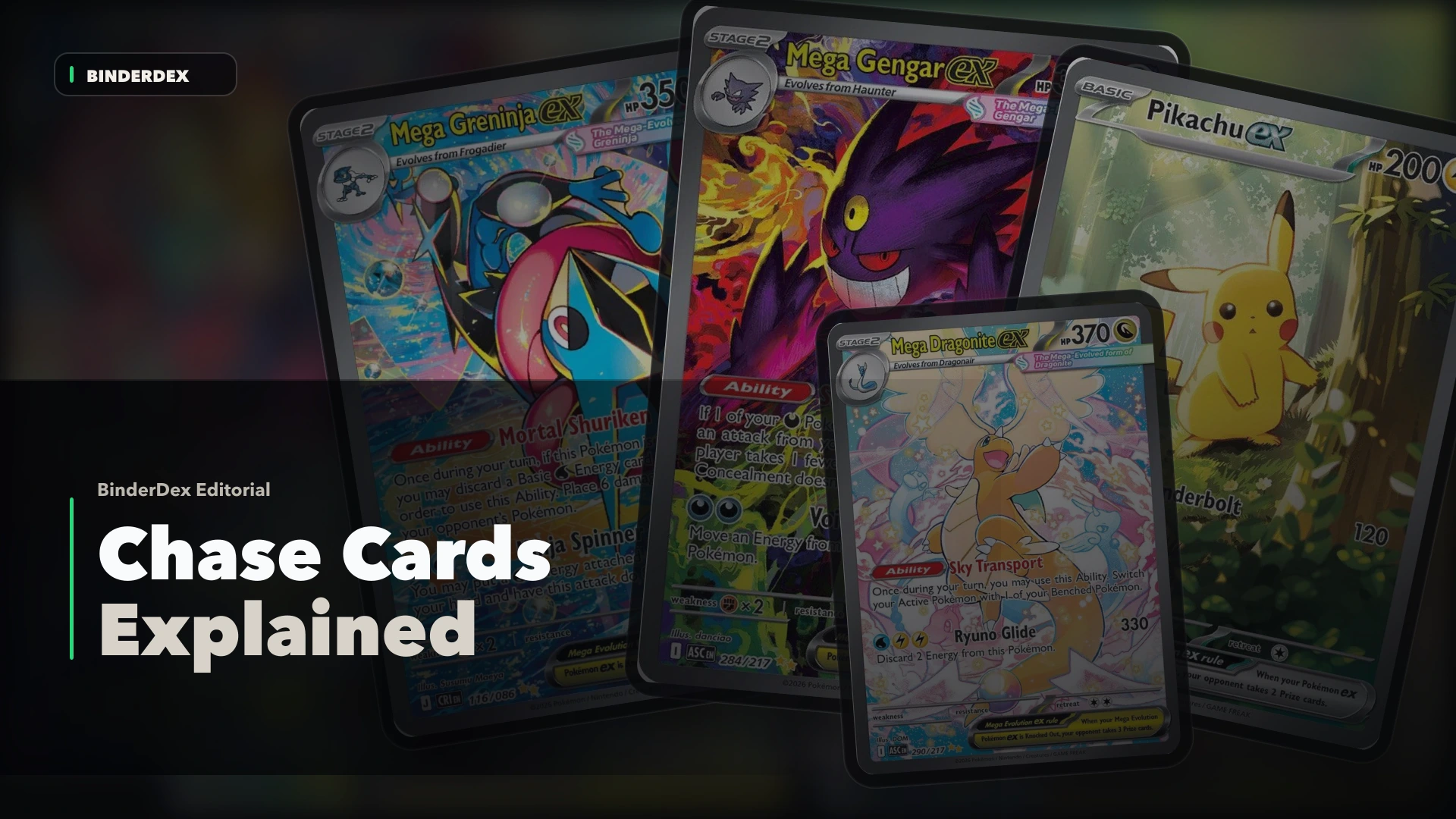
A chase card is the card a set asks you to have an opinion about.
That does not mean you should buy it, grade it, or measure your whole collection against it. It means the card has enough gravity to shape how collectors talk about the set. It can move pack-opening excitement, wantlists, singles prices, trade conversations, and the way people remember an expansion months later.
The useful question is not "what is the chase?" The useful question is what the chase card does to the rest of the set.
- "Chase card" is collector shorthand, not an official pull promise.
- Strong chase cards combine exact print, character demand, rarity, artwork, condition sensitivity, and market attention.
- A healthy set usually has a support shelf below the headline card.
- Personal favorite, budget target, grading candidate, and set chase are different jobs.
- BinderDex should turn a chase-card claim into exact card pages, set pages, watchlists, and later comparisons.
What a chase card actually is
A Pokemon chase card is usually the most wanted card, or one of the most wanted cards, in a set. Sometimes it is the highest raw/NM card. Sometimes it is the artwork everyone recognizes. Sometimes it is the character that makes the set feel like it has a face.
It is not a booster-pack promise. Pokemon Support says booster packaging shows featured Pokemon from the expansion and does not promise any specific Pokemon or card type inside a pack.
That is why chase-card language should make you more careful, not more impulsive. A set can have a famous headline card and still be thin underneath. Another set can have a quieter top card but a better support board for collectors who care about artists, trainers, character variety, or budget targets.
Chase card vs favorite card
Your favorite card and the chase card can be different. That is not a compromise. It is one of the healthier ways to collect.
| Card type | What it means | Example collector question |
|---|---|---|
| Personal favorite | The card you want for your binder | Does this copy fit my collection goal? |
| Set chase | The card the market or community circles first | Does the set have depth beyond this one card? |
| Budget chase | A lower-cost target with clear appeal | Is this worth watchlisting under my price ceiling? |
| Grading chase | A card where top-grade spread matters | Does the likely-grade math survive fees and risk? |
If the word "chase" makes you ignore your own binder goal, the word is doing bad work.
What gives a chase card gravity
Most real chase cards have more than one signal. Character demand helps, but it rarely explains the whole card.
- Exact print: set, collector number, rarity, language, and finish decide which version matters.
- Character demand: Charizard, Pikachu, Gengar, Umbreon, Greninja, and a few others can pull attention fast.
- Artwork or treatment: Illustration Rare, Special Illustration Rare, gold, textured, or story-heavy cards can separate from normal prints.
- Set role: Some cards become the face of the expansion because they explain the set at a glance.
- Support depth: A headline card feels sturdier when other cards nearby also have reasons to be collected.
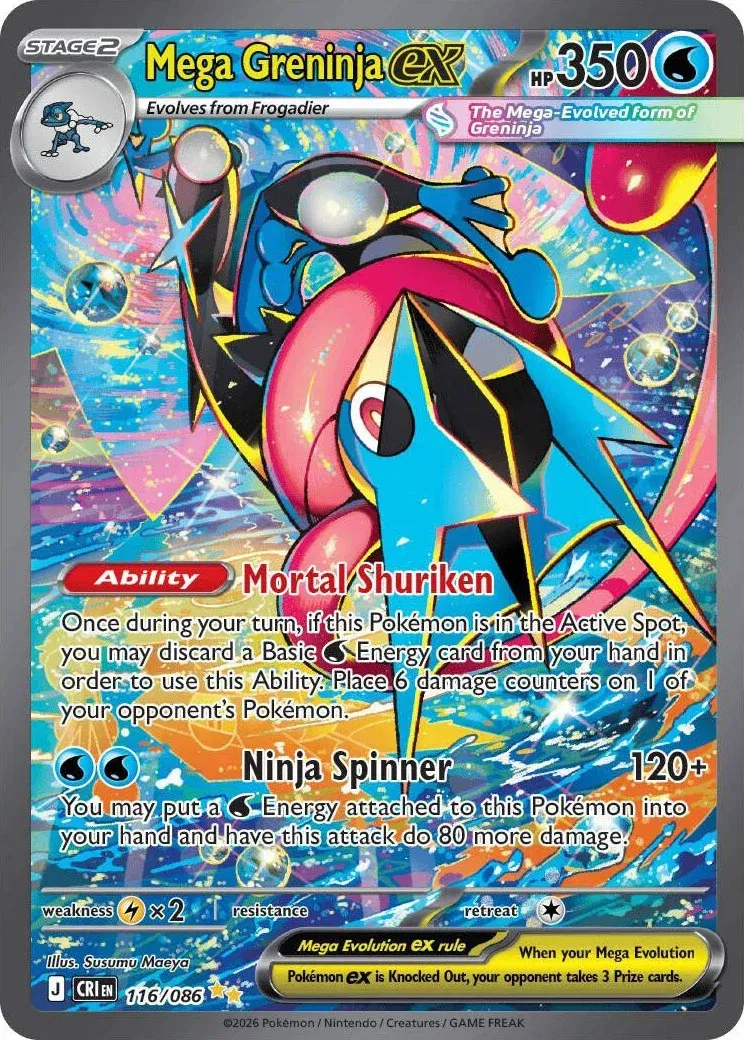
Mega Greninja ex is a good set-defining example. The follow-up question is whether Chaos Rising has enough support below the headline.
Price and chart data update with BinderDex · Last refreshed Oct 12, 2026. Editorial commentary reflects the article's published snapshot.
Mega Greninja ex can be the first card people name in Chaos Rising. That is useful. It is not the whole set read. You still have to ask what sits behind it.
One-card set or deep set?
This is the chase-card question I care about most.
A one-card set can be exciting. It can also be fragile. If the top card cools, the whole conversation can flatten because collectors never built a second reason to care.
A deep set has multiple cards that can survive different collector moods. One person wants the top Pokemon. Another wants the trainer. Another wants the weird art card. Another wants a lower-price target that still feels specific.
Compare a set-defining card with nearby support cards before deciding how strong the set board really is.
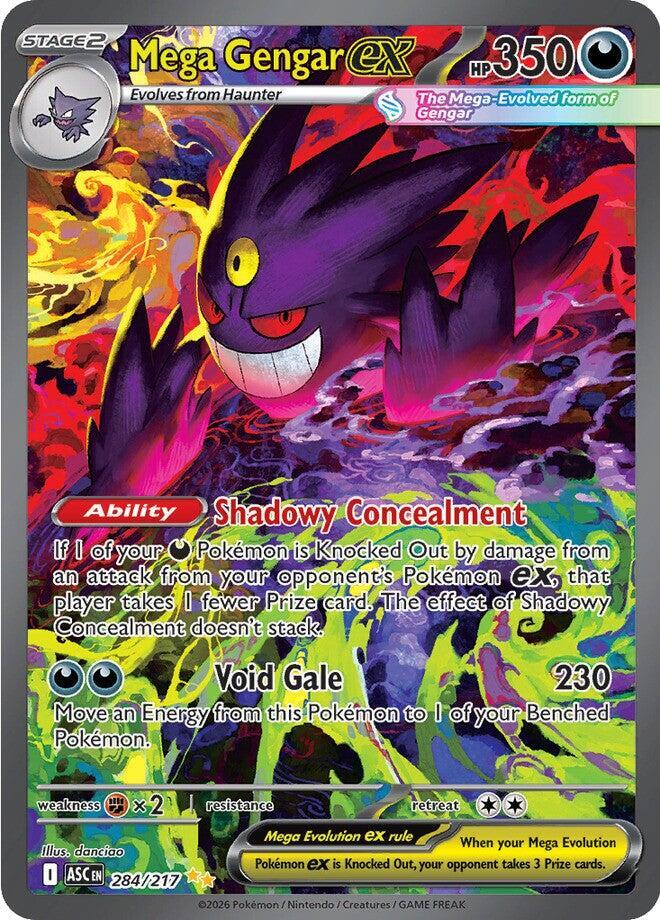
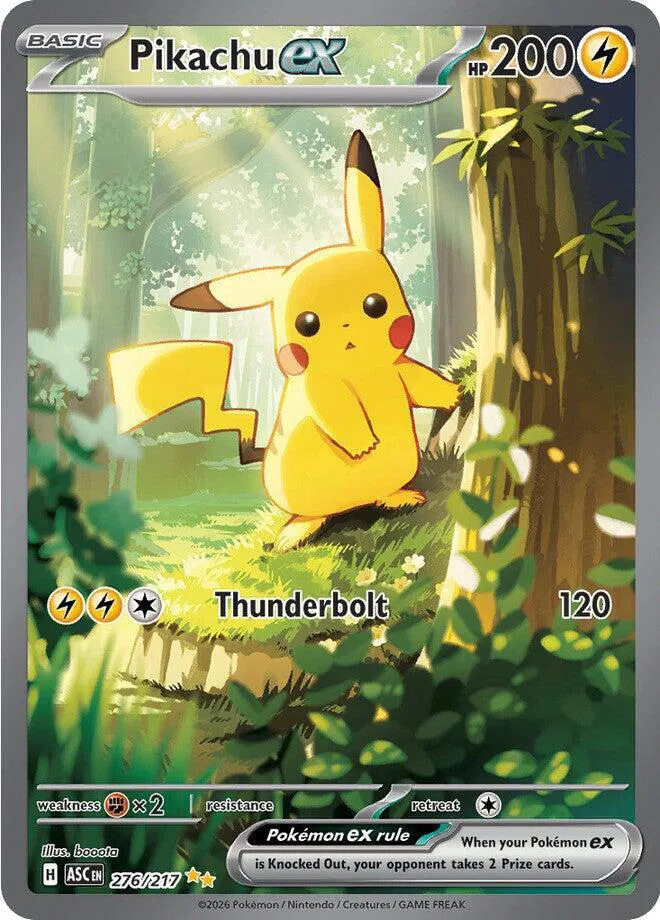
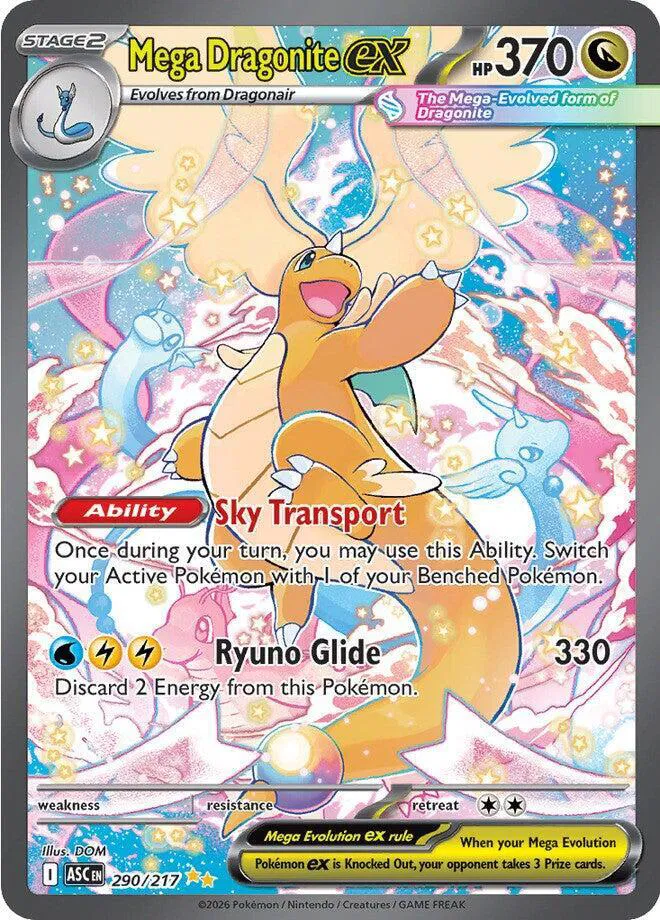
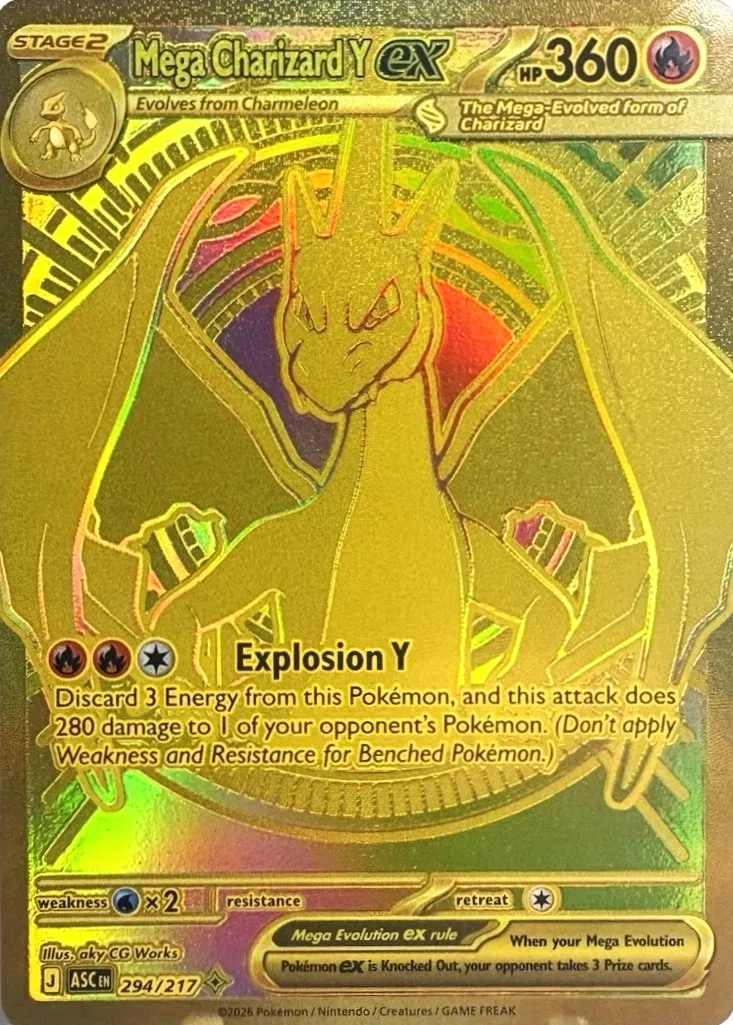
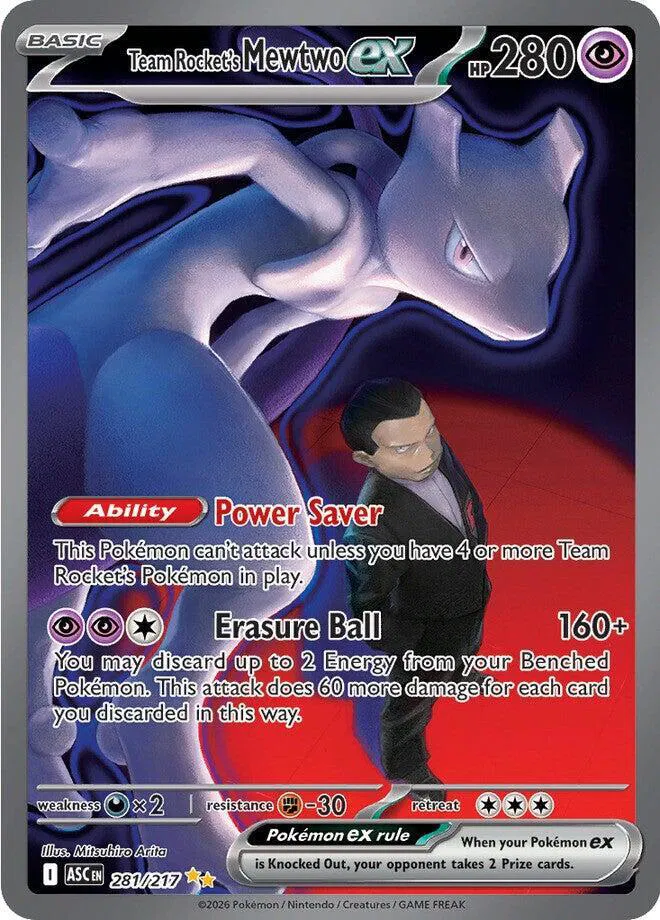
Ascended Heroes is a useful example because the top end has several lanes. Mega Gengar ex gives the set a dark flagship. Pikachu ex adds mascot gravity. Mega Dragonite ex and Mega Charizard Y ex give the board more character weight. Team Rocket's Mewtwo ex brings a different kind of nostalgia pressure.
That kind of shelf matters. It means the set conversation does not depend on one exact print doing all the work.
A smaller chase board can still be useful if the support cards explain the set's collector identity.
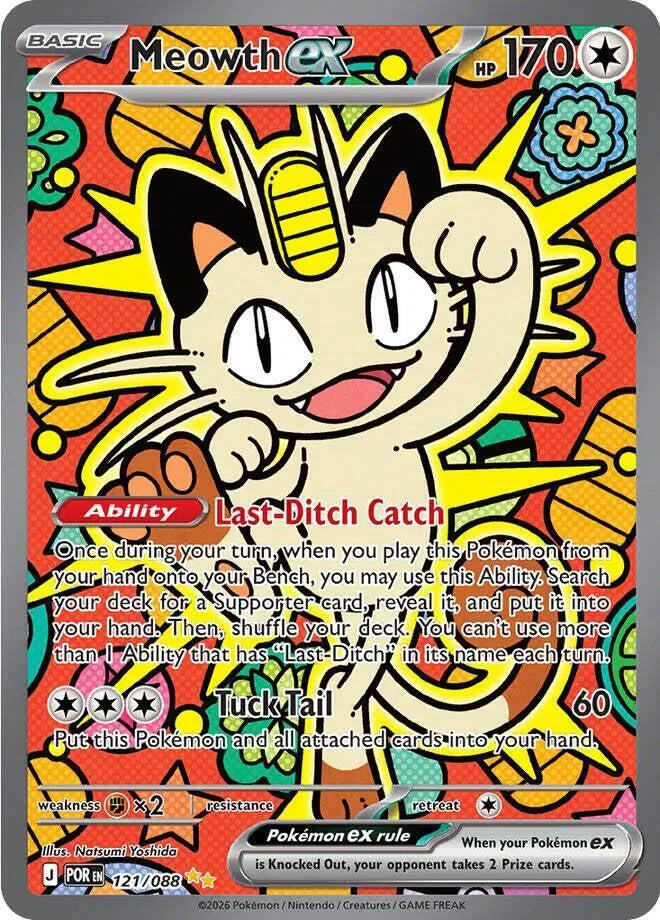
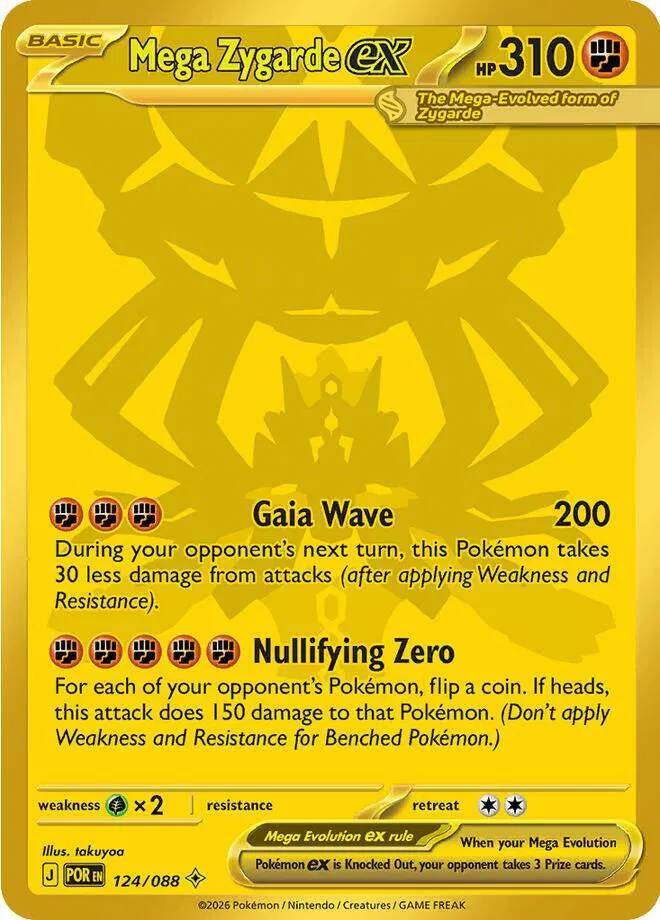
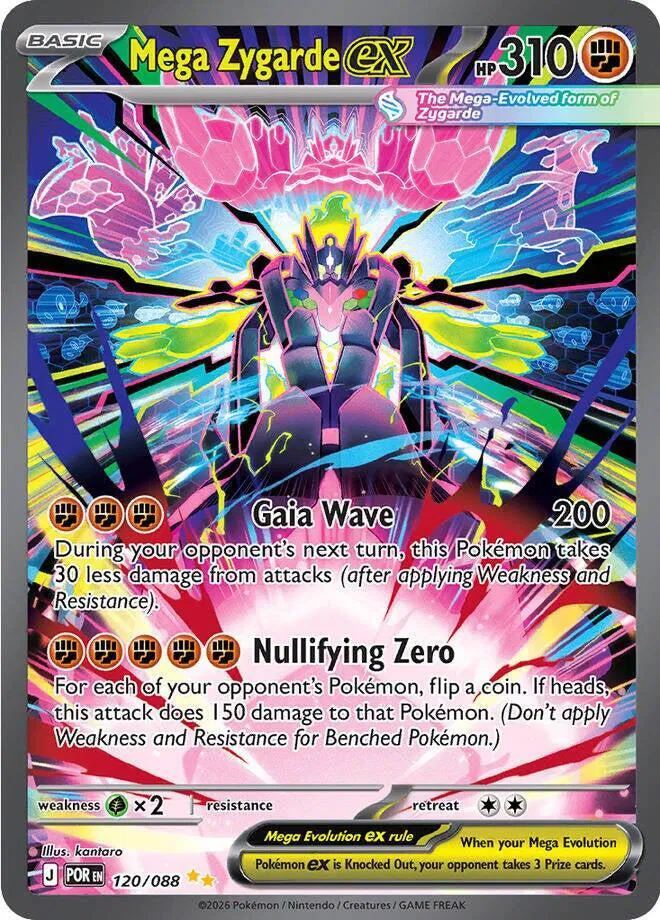
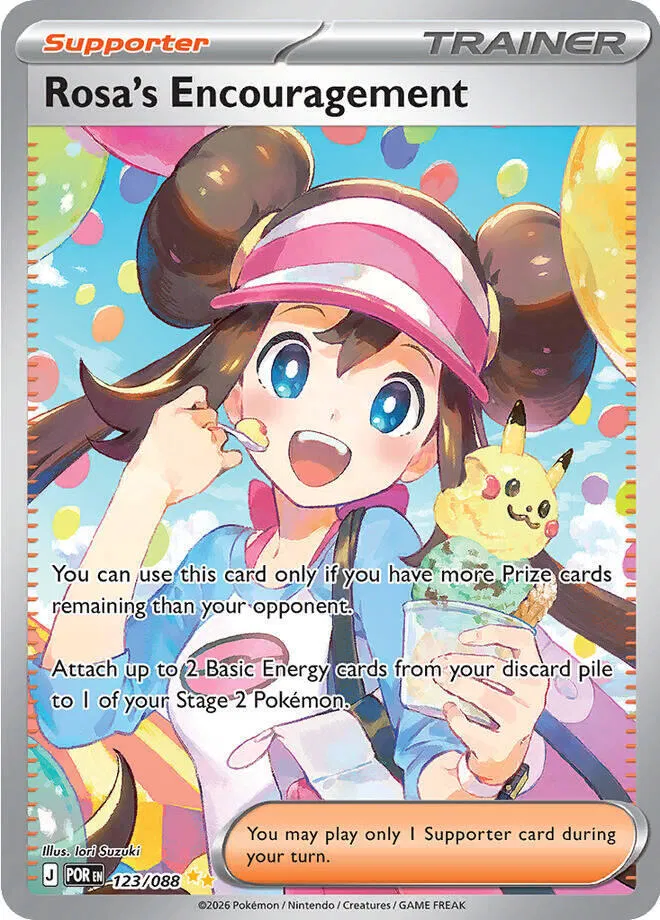
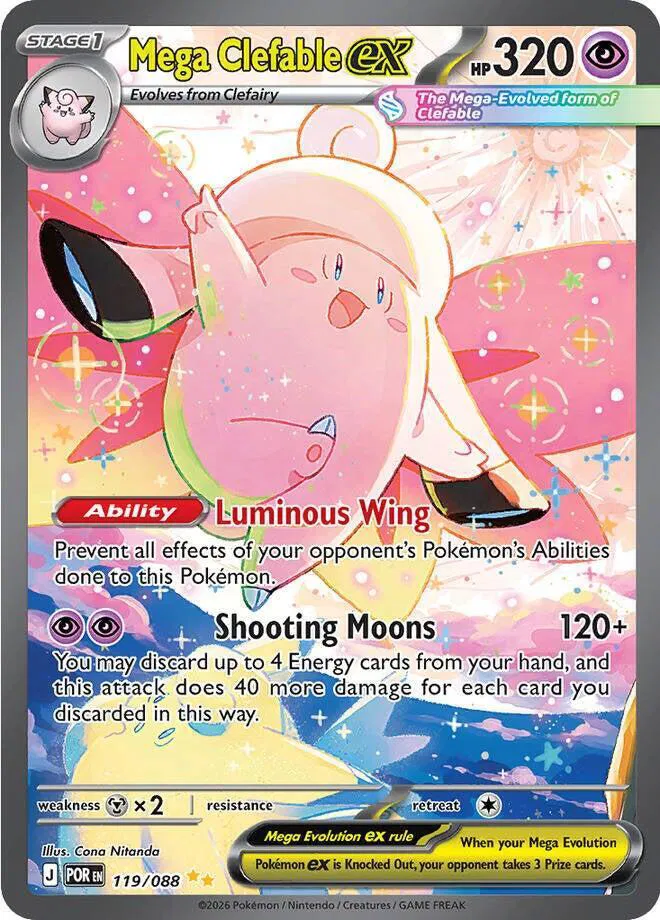
Perfect Order has a different shape. Meowth ex and Mega Zygarde ex form the first conversation, then the support cards have to prove whether the set has staying power. That does not make it worse. It makes the set more dependent on how collectors feel about the whole board.
How to inspect a chase board
Start from the set page or exact-card search. Do not start with a broad Pokemon name.
Ask four questions:
- Which exact card is getting the headline?
- Which cards sit close enough to form a support tier?
- Are the support cards from different collector lanes, such as Pokemon, trainers, artists, rarities, or story scenes?
- Is the set new enough that launch noise could still be distorting the board?
| Situation | Better next step | What can go wrong |
|---|---|---|
| One card dominates the set | Watch the gap between rank one and rank two | The whole set gets judged by one volatile card. |
| Several cards cluster near the top | Compare the support board | Depth gets overlooked because rank one is louder. |
| New set just released | Wait for a few snapshots | Launch prices look like settled demand. |
| Personal favorite is cheaper | Track it separately from the set chase | Market hype crowds out the card you actually want. |
Where BinderDex fits
BinderDex should turn "chase card" into a board you can revisit.
Start from the set. Open exact card pages for the top few cards. Save the cards you care about to a watchlist. Come back later and compare the set again. That workflow is stronger than asking whether one card is "the chase." It shows whether the set has one headline, two anchors, or a real support shelf.
For current examples, pair this explainer with Chaos Rising Market Watch, Perfect Order Market Watch, and Ascended Heroes Market Watch.
- Rank-one gap: Watch how far the top card sits above the support board. Risk: one headline card makes a thin set look deep.
- Support-card variety: Look for different characters, rarities, and art lanes. Risk: all demand lives in one exact print.
- Release timing: Give new sets room to cool. Risk: launch-week chase pricing becomes the only story.
- Personal fit: Keep your own binder goals separate from the market's loudest card. Risk: chasing a set's headline when your collection wanted something else.
Final read
Chase cards are useful because they reveal how attention moves through a set. They are dangerous because attention starts to feel like instruction.
I would rather ask what the chase card proves. Does it give the set an identity? Does it have a support shelf? Does the art have a reason to be remembered after the launch window? Does the card belong in your collection, or is it just the card everyone else is staring at?
That is the collector version of the question. The answer can still be "yes, I want the headline card." Just make sure you can say why without pointing only at the highest number on the page.
Apply the chase-card framework
Use the most expensive Pokémon cards still found in packs as a time-stamped example, then test whether each ranked card still fits a collection goal after the headline price is removed.
Know exactly what is in your collection.
Download BinderDex on iPhone or Android to track exact printings, organize your binders, and follow card and sealed product values in one place.
Prefer mobile?