Pokemon Holo Vs Reverse Holo Cards Explained
A collector-first explanation of Pokemon holo vs reverse holo cards, with examples for identifying the exact print before checking value.
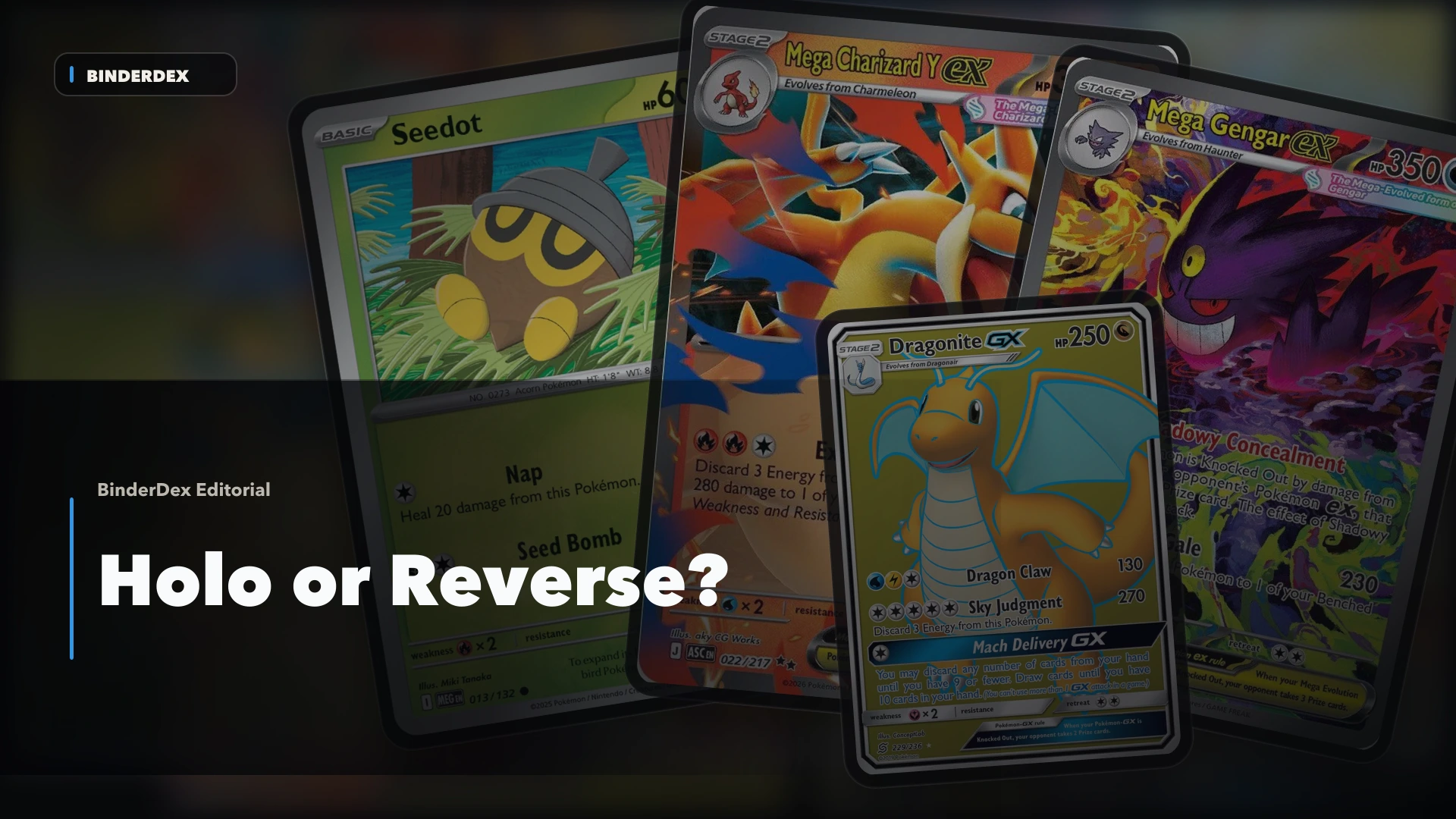
The first question is not "is it shiny?"
The first question is where the shine lives. Holo vs reverse holo is a finish check. It tells you which physical version is in your hand. It does not replace set, card number, rarity, condition, language, or sold-price context.
- A regular holo usually puts the foil effect in the illustration window.
- A reverse holo usually puts the foil treatment across the card body outside the illustration window.
- Reverse holo does not automatically mean rarer, better, or more valuable.
- Some cards have several versions with the same name, so confirm set and collector number before comparing price.
- BinderDex works best when you search the exact card, then compare the matching finish and condition lane.
The Finish Read
Take the card out of glare, not necessarily out of the sleeve. Tilt it under a boring light source and watch where the foil moves.
If the picture area is the shiny part, you are probably looking at a regular holo or another premium foil treatment. If the card body around the picture carries the foil pattern and the illustration window is not the shiny part, you are probably looking at a reverse holo.
That is the beginner answer. The collector answer is stricter: identify the exact card, set, collector number, rarity, finish, and condition before trusting a price. A finish label is only useful when it is attached to the right card.
TCGplayer's rarity guide says reverse holo changes the physical appearance of many lower-rarity cards, but it does not change the card's rarity or collector number. That is the key point. Reverse holo is a version to compare, not a universal upgrade.
The Finish Check
Use a plain light source and tilt the card slowly. Do not judge from a sleeve-glare photo or a seller image cropped so tightly that the bottom number is missing.
| What you see | Likely finish | What to check next |
|---|---|---|
| Foil mainly inside the art box | Regular holo or premium holo treatment | Rarity, set, collector number, and surface condition |
| Foil across the card body outside the art box | Reverse holo | Same card number, same reverse-holo lane, and condition |
| Full-art texture, special illustration art, or secret numbering | A different variant question | Exact rarity, texture, and variant |
| No foil, same art, same set | Non-holo or regular print | Whether a holo or reverse version exists |
The last row matters. Some cards have a regular print and a reverse holo. Other cards have a rare holo, ultra rare, illustration rare, special illustration rare, promo, stamped version, or secret-numbered version. Those are not interchangeable, even when the Pokemon name is identical.
Three Collector Examples
The reverse-holo common
A collector finds a reverse holo common in a bulk box. It flashes more than the regular common, so the first instinct is to treat it like a special pull.
Slow down. The finish is different, but the collector number and rarity lane may still be ordinary. Compare it against reverse-holo copies from the same set and condition, not against special illustration cards with the same Pokemon.
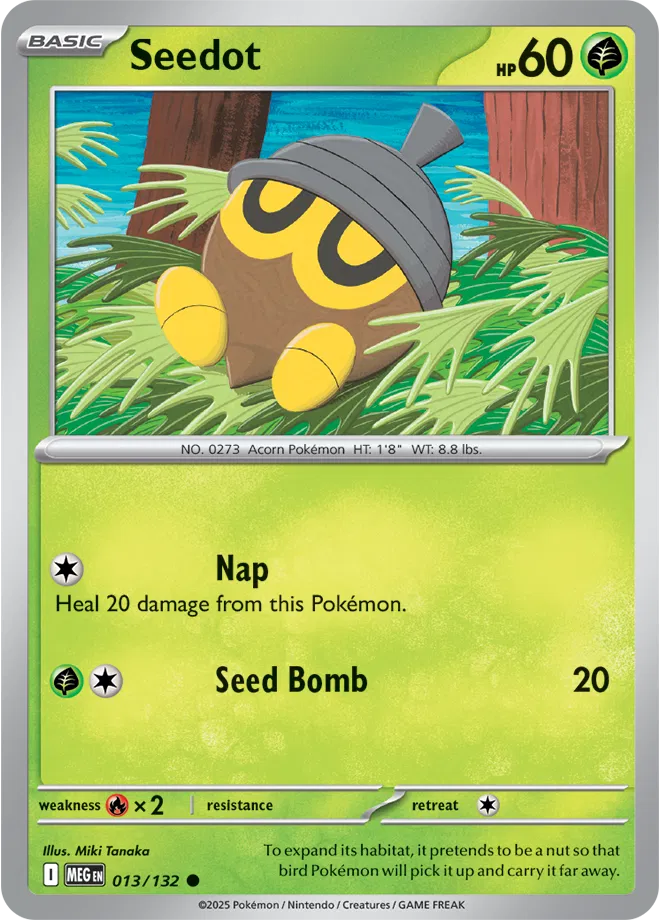
Seedot from Mega Evolution is a clean reverse-holo workflow example: the finish can be tracked, but the card still needs exact set, number, and condition before value.
Price and chart data update with BinderDex · Last refreshed Oct 5, 2026. Editorial commentary reflects the article's published snapshot.
The regular holo rare
A rare holo has the foil effect in the picture area. It can be more exciting than the non-holo version, but the price still depends on exact set, condition, and demand.
This is where older cards and modern cards split. A vintage holo can carry nostalgia and condition scarcity. A modern regular holo may be common enough that the finish alone does not move the decision much.
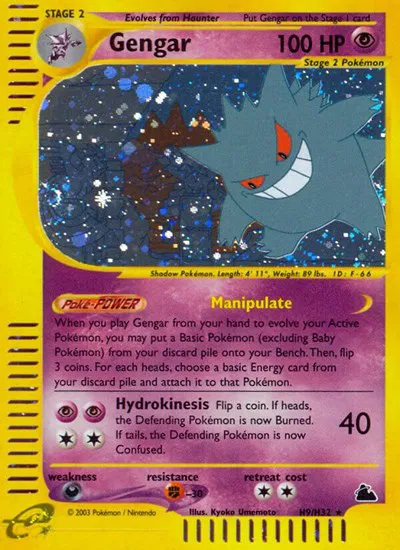
Skyridge Gengar H9 is a cleaner regular-holo example: the finish matters, but set, number, era, and condition still decide the comparison.
Price and chart data update with BinderDex · Last refreshed Oct 12, 2026. Editorial commentary reflects the article's published snapshot.
The card that is not either
Modern chase cards often confuse collectors because they are shiny, textured, full-art, or numbered above the normal set count. Those should not be sorted as ordinary holo vs reverse holo.
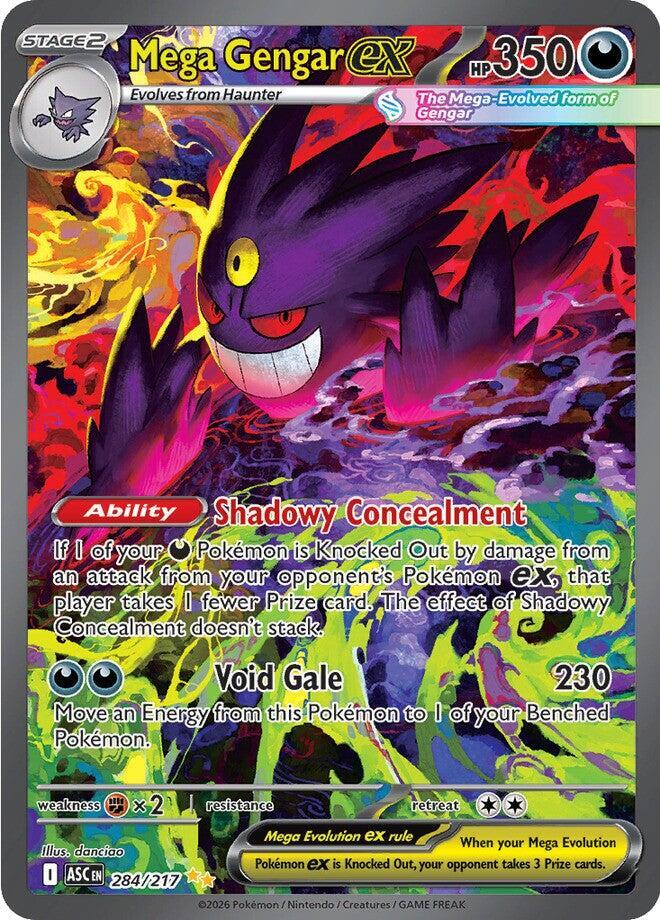
A premium modern chase card should be identified by exact set, number, rarity, and condition. Do not reduce cards like this to a generic holo label.
Price and chart data update with BinderDex · Last refreshed Oct 11, 2026. Editorial commentary reflects the article's published snapshot.
For a card like this, the question is not "is it holo?" The question is "which exact print is this, and what does that exact print do in this condition?"
Why Reverse Holo Can Mislead Prices
Reverse holo can matter. It just does not matter the same way on every card.
For a low-demand modern common, reverse holo may add only a small collector preference. For an older card, a hard-to-find reverse pattern, a clean condition copy, or a popular character can make the version more meaningful.
The mistake is using one reverse-holo rule everywhere. Treat the finish as a sorting lane, then let exact card and condition do the heavier work.
| Situation | Better next step | What can go wrong |
|---|---|---|
| Sorting bulk | Separate reverse holos, then identify set and number | Shiny bulk gets mixed with true chase cards |
| Checking one card's value | Search the exact card, finish, condition, and language | Regular holo, reverse holo, and full art comps get blended |
| Building a master set | Track finish variants explicitly | The binder looks complete but misses reverse slots |
| Selling a small lot | Disclose finish and condition plainly, especially foil damage | Buyers dispute cards that were described too loosely |
Where BinderDex Fits
BinderDex should be the identity step before the price step.
Search the card name, then narrow by set, number, rarity, and finish. If several versions appear, do not pick the highest price first. Pick the matching print first.
For a binder review, create three piles:
- regular non-holo or regular print,
- regular holo,
- reverse holo or other variant.
Then inspect condition inside each pile. Foil surfaces show scratches, dents, and print lines differently. A clean regular holo can be more useful than a damaged reverse holo, and a reverse holo common can be less important than a non-holo card from a scarcer older set.
If the finish is clear but the rarity mark or set identity is not, move to Pokemon card rarity symbols explained or Pokemon card set symbols explained before comparing value.
What To Watch Next
- Exact finish match: Compare reverse holo to reverse holo, regular holo to regular holo. Risk: wrong-finish comps can make a card look more valuable than it is.
- Condition first: Foil surfaces show scratches and dents differently. Risk: sleeve glare can hide the defect that decides the lane.
- Set completion: Master-set collectors may care about reverse holo slots even when the market price is modest. Risk: treating all low-price reverse holos as irrelevant.
- Premium rarity confusion: Full arts, illustration rares, and secret-numbered cards need their own identity check. Risk: sorting a chase variant as a normal holo.
Know exactly what is in your collection.
Download BinderDex on iPhone or Android to track exact printings, organize your binders, and follow card and sealed product values in one place.
Prefer mobile?