Pokemon Card Set Symbols: Codes, Numbers, and an English Atlas
Find a Pokemon card's set code or symbol, match its collector number, and use the English set-symbol atlas to identify the exact expansion.
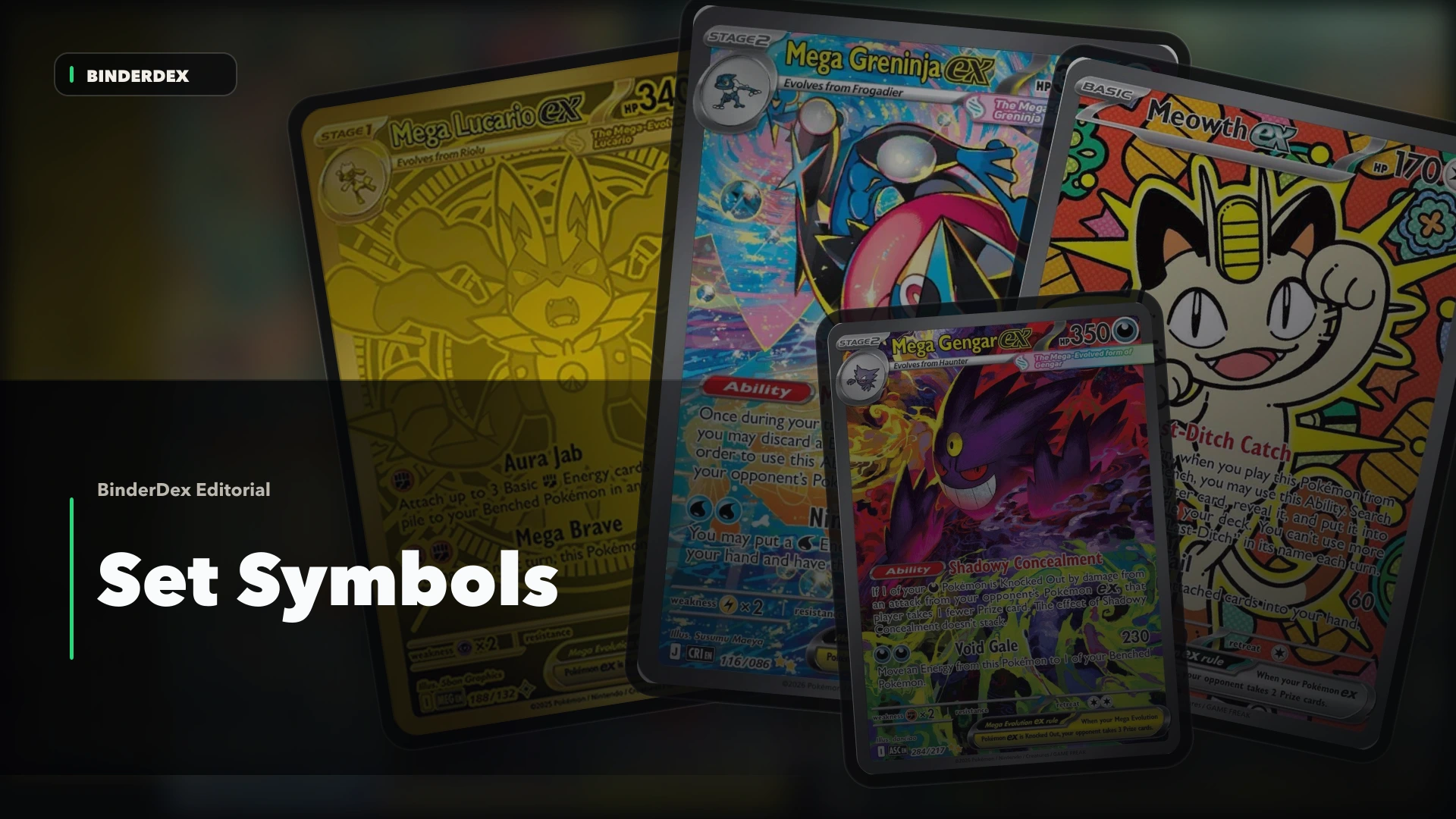
A Pokemon set symbol or set code tells you which expansion printed the card. On modern English cards, start in the bottom-left identity strip: the short set code and collector number work together. Older English cards usually use a small expansion symbol instead.
Read that mark or code and the collector number together, then compare it with the card's name, language, rarity, and finish. This guide includes a card-in-hand atlas of English set symbols by era, so you can match the actual mark before you search.
Original English Base Set is the normal no-symbol case. It is not the only one. One Unlimited Jungle holofoil print run also left off the set's flower mark, so a missing symbol is a reason to check more evidence, not a shortcut to "Base Set."
- Older expansions use a small icon unique to the set.
- Modern English cards usually place a short set code and collector number together in the lower-left identity strip.
- The location moves by era and card layout. Inspect the lower-left and lower-right edges, then look near the art on older cards.
- A collector number such as
021/083identifies the card's slot inside the set. - A circle, diamond, or star is a rarity mark, not the set symbol.
- Base Set, promos, stamped products, and known printing errors such as Jungle no-symbol holofoils need an exception check.
How to identify a Pokemon card set
Put the card under steady light and start at the lower edge. On a modern English card, the set code, collector number, and rarity mark often sit close enough to look like one label. They answer different questions, so read each one.
- Find the expansion symbol or short set code.
- Read the full collector number, including both sides of the slash.
- Match the card name and number inside that set.
- Confirm the rarity mark and foil treatment.
- Record the language and any visible stamp.
- For promos, identify the product or distribution source.
- Search the Pokemon name only after you have read the set mark and number.
- Inspect both lower corners. Modern layouts do not put every identifier on the same side.
- Treat original English Base Set as the normal no-symbol case. If a holofoil Jungle card has no flower mark, make the number, foil, copyright line, and standard Jungle layout agree before you call it the documented error.
- If the numerator is higher than the denominator, keep the full number. It can identify a premium slot outside the advertised base count.
- Keep promo stamps and product marks in your note. They can separate two cards with otherwise familiar artwork.
The order matters. Searching "Bulbasaur card" can return Base Set, Legendary Collection, a promo, and several modern printings. Searching the visible set plus 001/132 gives the database a much narrower job.
Once the mark and number agree, open the BinderDex Pokemon set browser, choose that expansion, and compare the exact card image before you save a record. If you are tracking what remains to collect, use the Pokemon card checklist for that set.
Set symbol, rarity symbol, and collector number
These marks sit close together, which is why they get mixed up.
| Printed detail | What it answers | Example |
|---|---|---|
| Expansion symbol | Which older expansion printed the card? | Jungle flower or Fossil claw |
| Set code | Which modern expansion printed the card? | A short code beside the number |
| Collector number | Which checklist slot is this printing? | 021/083 or 188/132 |
| Rarity mark | Which rarity lane did the set assign? | Circle, diamond, or star pattern |
| Finish | Which physical treatment is this copy? | Regular, holo, reverse holo, or textured |
| Promo or product stamp | How was this version distributed? | Black Star Promo or a product logo |
A rarity star does not name the expansion. A set code does not tell you whether the card is reverse holo. The collector number ties the clues together, but even that number needs the set name because different expansions can reuse the same number.
If the rarity mark is the part you cannot read, use Pokemon card rarity symbols explained. If the foil pattern is the mystery, use Pokemon holo vs reverse holo cards explained. If the symbol, number, or finish does not match the card you expected, use how to tell if a Pokemon card is fake before assuming it is an unusual printing.
Where to find the set symbol by era
Pokemon Support describes the expansion icon as a bottom-right identifier. That is a useful shortcut, but it is too neat for every card in a real binder. Trainers, Energy cards, promos, and several modern layouts can move the set identity to the lower-left. Older cards can place the mark near the illustration.
Use this map as a starting point:
| Era or layout | First place to inspect | What confirms the set |
|---|---|---|
| English Base Set | No expansion symbol | Collector number, copyright line, and print traits |
| Jungle through Neo | Near the art or center-right body area | Expansion icon plus collector number |
| Expedition, Aquapolis, and Skyridge | Lower e-Reader identity area | Expansion mark, frame, and number |
| EX through Black & White | Usually lower-right | Set mark and full collector number |
| XY | Usually lower-right, with card-type exceptions | Set mark, number, and card type |
| Sun & Moon through Sword & Shield | Often lower-left | Set mark or code plus number |
| Scarlet & Violet and Mega Evolution | Lower-left identity strip on many cards | Set code, number, and rarity mark |
| Promos and stamped products | Visible stamp plus the normal identity line | Promo number and distribution source |
Do not memorize the corner and ignore the card. Learn the identity area for the era, then make the symbol and number agree.
Five cards that train your eye
Nobody needs to memorize 175 marks. These five layouts teach the moves that cover most cards you will handle.
Base Set: no symbol is the clue
Original English Base Set cards do not have an expansion symbol. Stop looking for one, but do not stop checking the card.
Use the collector number, copyright line, 1st Edition stamp, and shadowless or unlimited print traits. The Base Set Unlimited checklist gives you the numbered set context; an Alakazam from that set and a 1st Edition Shadowless copy need different records even though both say Alakazam.
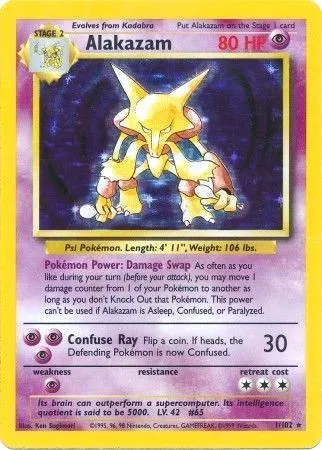
Base Set (Unlimited)
Example: Alakazam #1, Holo Rare.
English Base Set has no expansion symbol. Use the bottom-right collector number, copyright line, and print traits instead of hunting for a missing logo.
Number lineMatch each marked zone against the set icon, stamp, and collector number before opening the exact card record.
Jungle: the mark sits near the art
Jungle, Fossil, Team Rocket, Gym, and Neo-era cards train your eye away from the modern bottom strip. The expansion icon sits closer to the illustration or body area.
Match that icon first, then confirm the collector number below. Open the Jungle checklist only after the mark agrees. A Clefable with familiar art can still belong to the wrong comparison if the set or holo treatment changes.
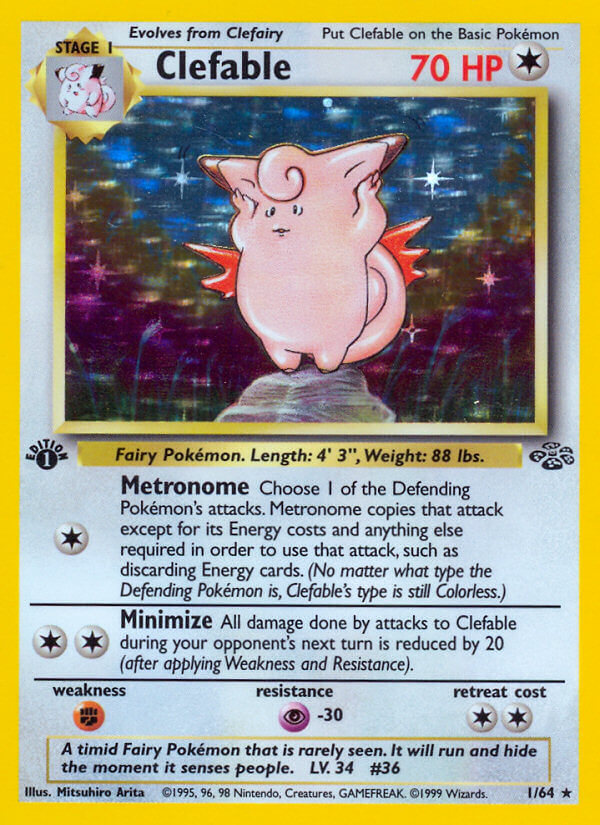
Jungle
Example: Clefable #1, Holo Rare.
Wizards-era expansion marks sit on or just to the right of the species line below the art. Match that small mark first, then confirm the bottom collector number.
WotC expansion symbolMatch each marked zone against the set icon, stamp, and collector number before opening the exact card record.
There is one useful trap here. PSA documents an Unlimited Jungle print run in which all 16 holofoil cards are missing the flower symbol. A symbol-free Jungle holo is not automatically Base Set or fake. Confirm that its collector number, holo treatment, copyright line, and card layout match the standard Jungle printing. The error applies to the holofoils, not every card in the set.
Expedition: the frame changes the search
The e-Reader layout makes the lower identity area much more important. When the card frame changes, move your eye with it.
Read the expansion mark, card number, and e-Card frame together, then compare the Expedition checklist. Modern muscle memory is not useful on a 2002 layout.
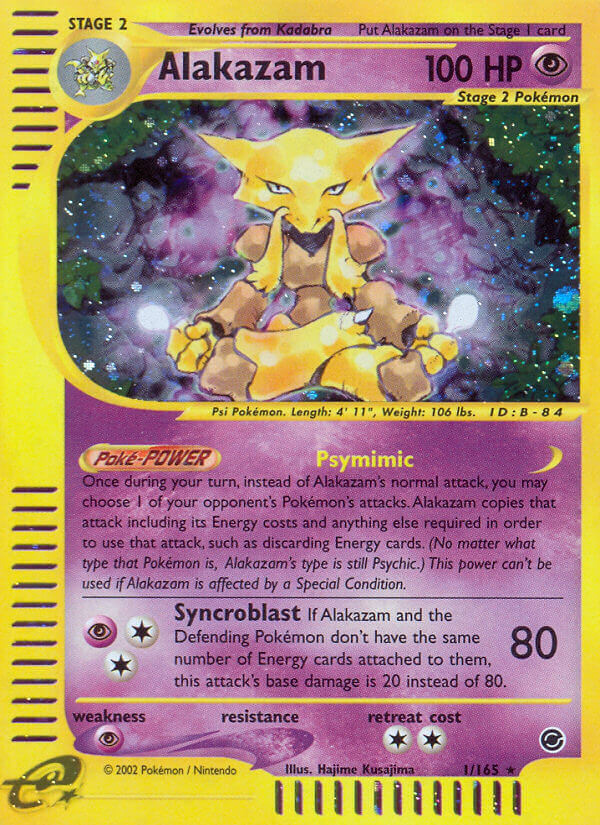
Expedition
Example: Alakazam #1, Holo Rare.
E-Card layouts put the set mark and collector number into the lower-right e-Reader frame area. Read the frame, mark, and number together.
e-Card markMatch each marked zone against the set icon, stamp, and collector number before opening the exact card record.
Scarlet & Violet: read the whole lower strip
Recent cards put a lot of information into a small space. The lower identity area can carry the set code, collector number, language marker, and rarity symbol.
Read the strip from left to right, then use the Scarlet & Violet Base Set checklist to confirm the exact row. An Energy-type icon elsewhere on the card does not identify the expansion.
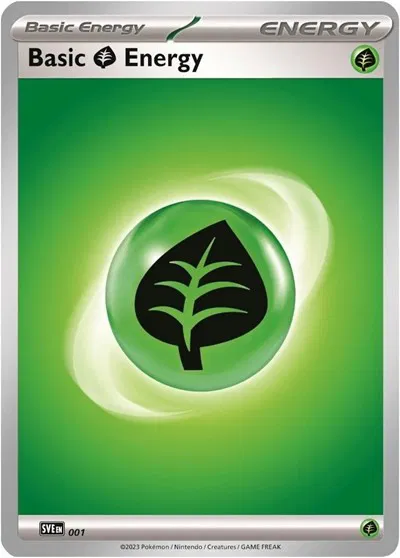
Scarlet & Violet Base Set
Example: Basic Grass Energy #001, Common.
On this card layout, use the lower-left set mark or set code, collector number, and rarity dot. Do not confuse type or energy icons elsewhere on the card for the set identifier.
Set mark/codeMatch each marked zone against the set icon, stamp, and collector number before opening the exact card record.
Pitch Black: current cards use the same discipline
Pitch Black released on July 17, 2026. Tropius 001/084 gives you the full modern pattern: set identity, collector number, rarity, language, and finish belong in one record. The Pitch Black checklist is the next comparison once those fields agree.
The artwork is the easy part. The printed identity line is what separates this Tropius from every other Tropius in a search result.
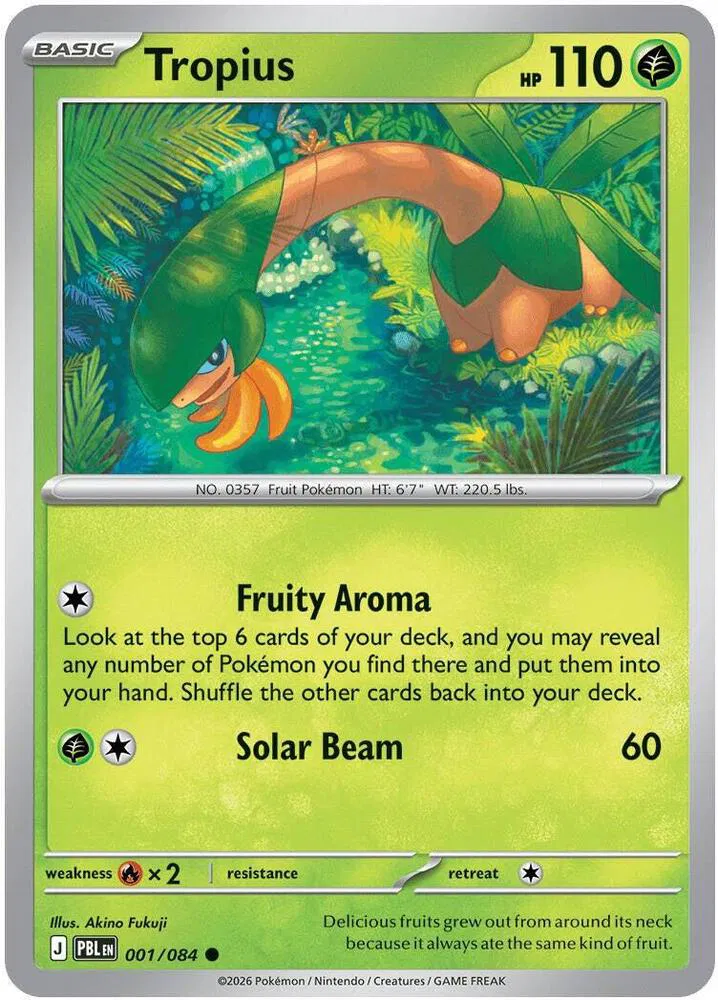
Pitch Black
Example: Tropius #001/084, Common.
On this card layout, use the lower-left set mark or set code, collector number, and rarity dot. Do not confuse type or energy icons elsewhere on the card for the set identifier.
Set mark/codeMatch each marked zone against the set icon, stamp, and collector number before opening the exact card record.
The collector number is the second lock
The set mark narrows the expansion. The collector number finds the exact slot inside it.
Most numbers use a numerator and denominator, such as 021/083. The numerator is the card's checklist number. The denominator is the advertised base count. A numerator above that denominator often points to a secret or premium part of the checklist, although the official rarity name still decides the rarity.
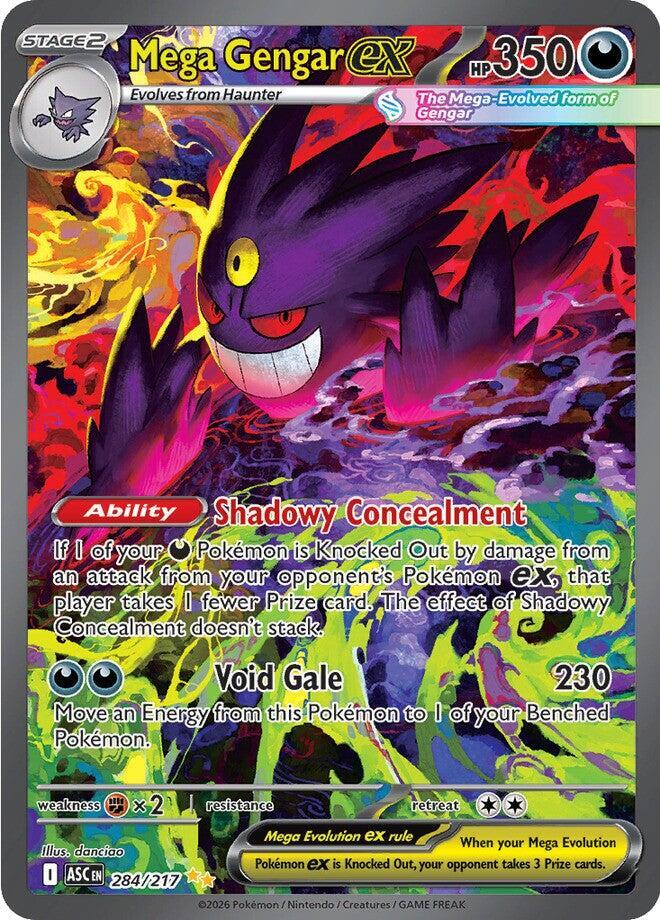
Mega Lucario ex 188/132 is a clean example. The number rules out the regular set slots before you compare artwork, finish, or condition.
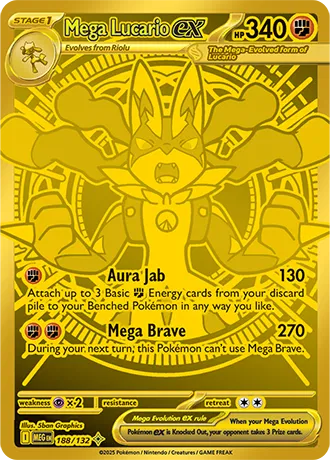
Use 188/132 as the second lock. The full collector number identifies the premium checklist slot inside Mega Evolution.
Price and chart data update with BinderDex · Last refreshed Oct 11, 2026. Editorial commentary reflects the article's published snapshot.
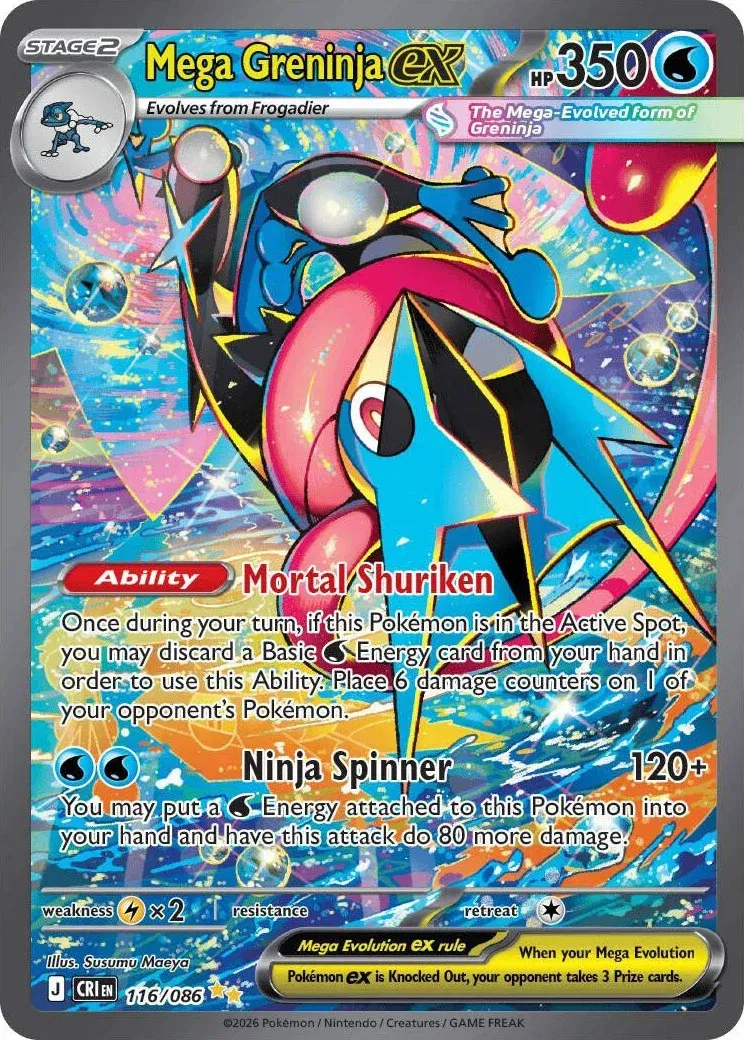
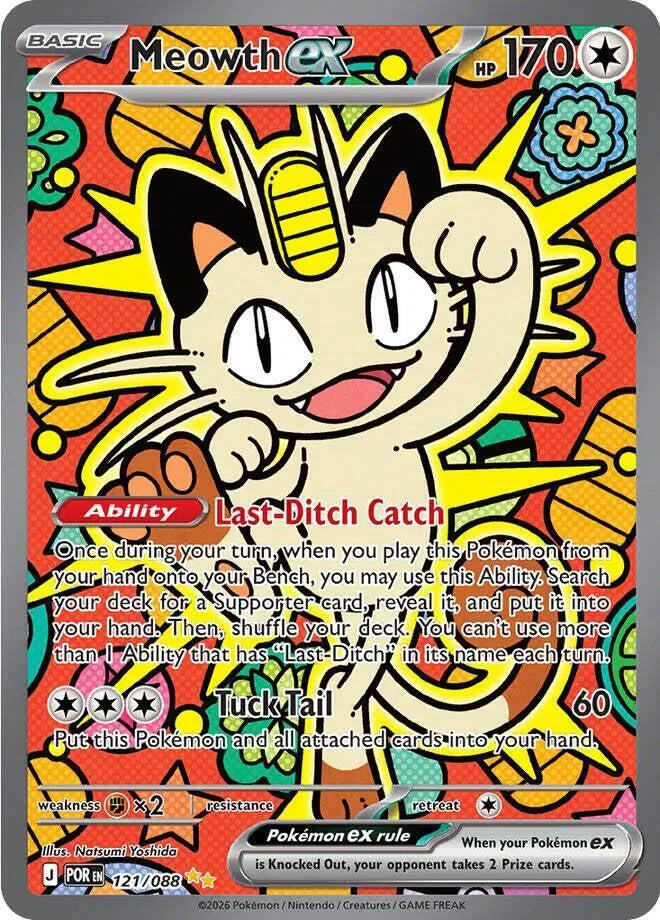
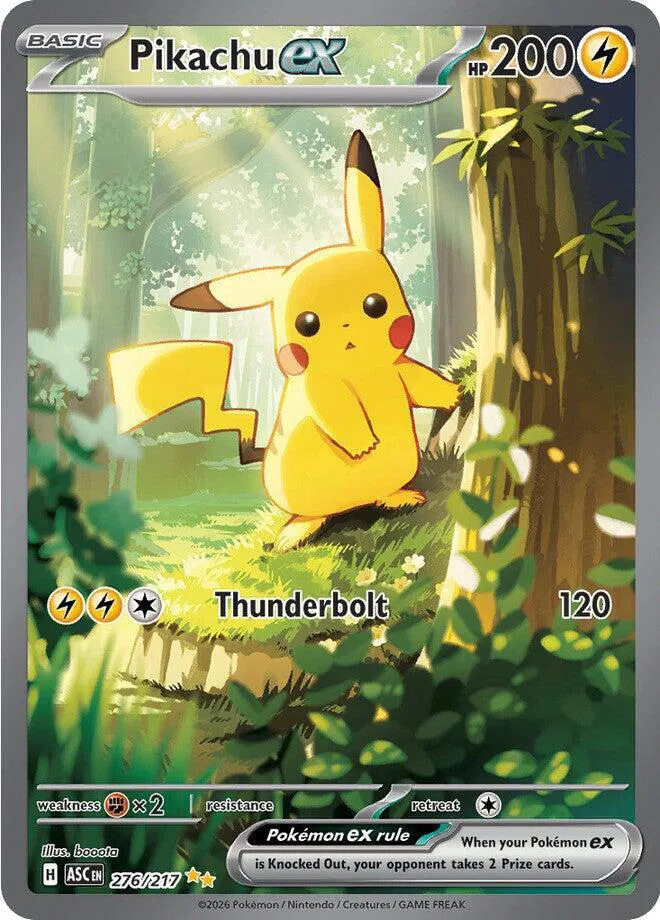
Two cards can share a Pokemon name and still need separate records. Meowth ex 121/088 belongs to Perfect Order. Mega Greninja ex 116/086 belongs to Chaos Rising. Their set and number combinations do the identification work.
Open the exact card record only after the set and collector number agree.
Promos and product stamps need one more clue
Promo cards do not always fit a normal expansion checklist. A promo mark can identify the broad lane while leaving the exact product unresolved.
Use this order:
- Read the promo mark or visible stamp.
- Record the promo number.
- Identify the product, event, deck, or distribution source.
- Look for the same artwork in another set.
- Compare only the same promo version.
A product stamp can sit on artwork that originally appeared elsewhere. Keep the ordinary set identity line in view instead of treating the stamp as the whole answer.
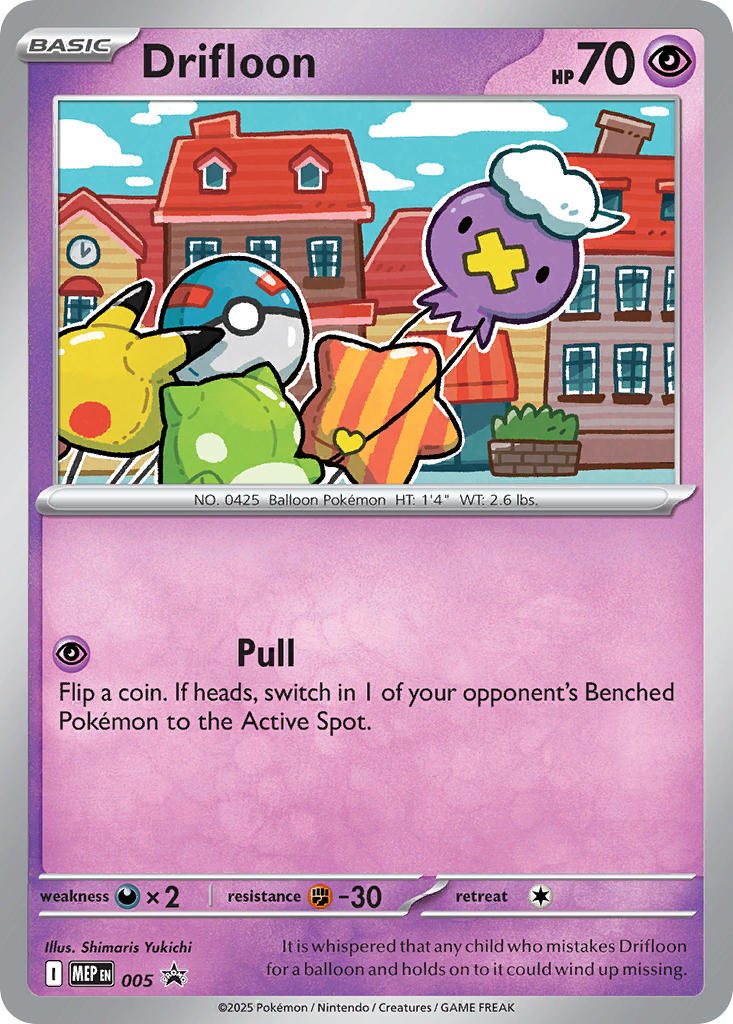
Mega Evolution Promos
Example: Drifloon #005, Promo.
On this promo-style layout, use the lower-left promo/set code and collector number first, then confirm the product or distribution source if the card has one.
Promo codeMatch each marked zone against the set icon, stamp, and collector number before opening the exact card record.
Pokemon set symbols by era
The BinderDex atlas covers every English Pokemon set in the production snapshot, from the Base era through Pitch Black. Each entry pairs a real card with the part of the card you should inspect first.
Open the era that matches the card's copyright year or frame. Then compare the highlighted identity area, set name, and collector number. The crop is a locator, not a price signal.
175 English Pokemon set symbols by era
Each row gives you the set name, release date, BinderDex route, one real example card, and the part of the card to inspect first. The crop is a locator, not a separate price signal.
Mega Evolution
7 sets in this snapshot
Mega Evolution
7 sets in this snapshot
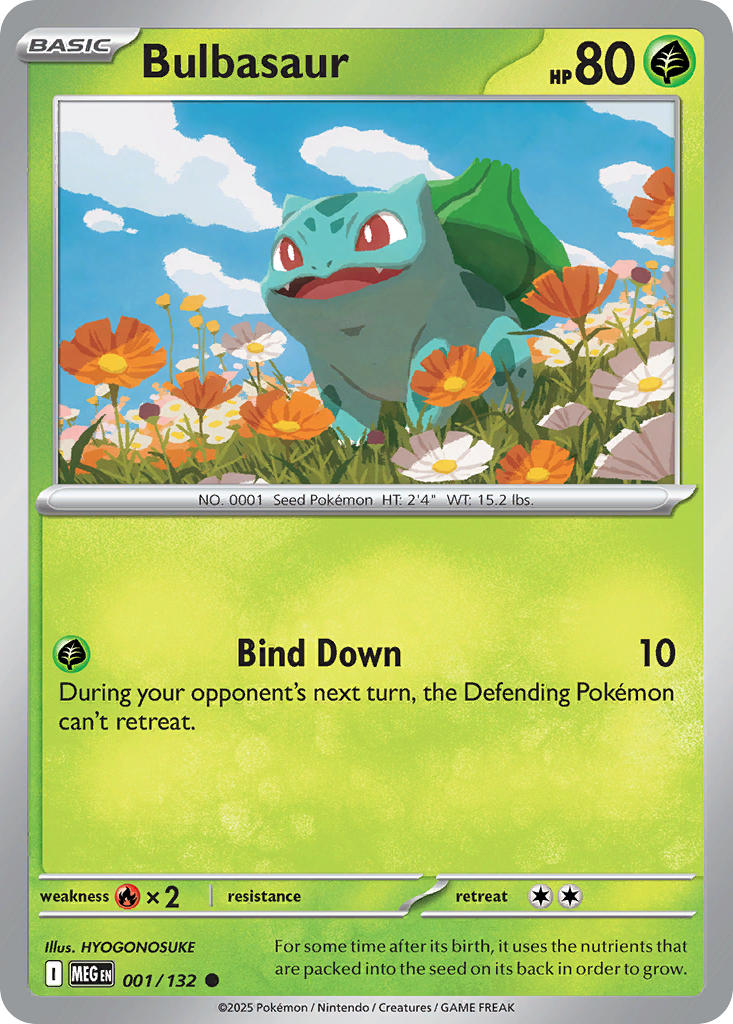
Mega Evolution
Example: Bulbasaur #001/132, Common.
On this card layout, use the lower-left set mark or set code, collector number, and rarity dot. Do not confuse type or energy icons elsewhere on the card for the set identifier.
Set mark/codeMatch each marked zone against the set icon, stamp, and collector number before opening the exact card record.
Mega Evolution Promos
Example: Drifloon #005, Promo.
On this promo-style layout, use the lower-left promo/set code and collector number first, then confirm the product or distribution source if the card has one.
Promo codeMatch each marked zone against the set icon, stamp, and collector number before opening the exact card record.
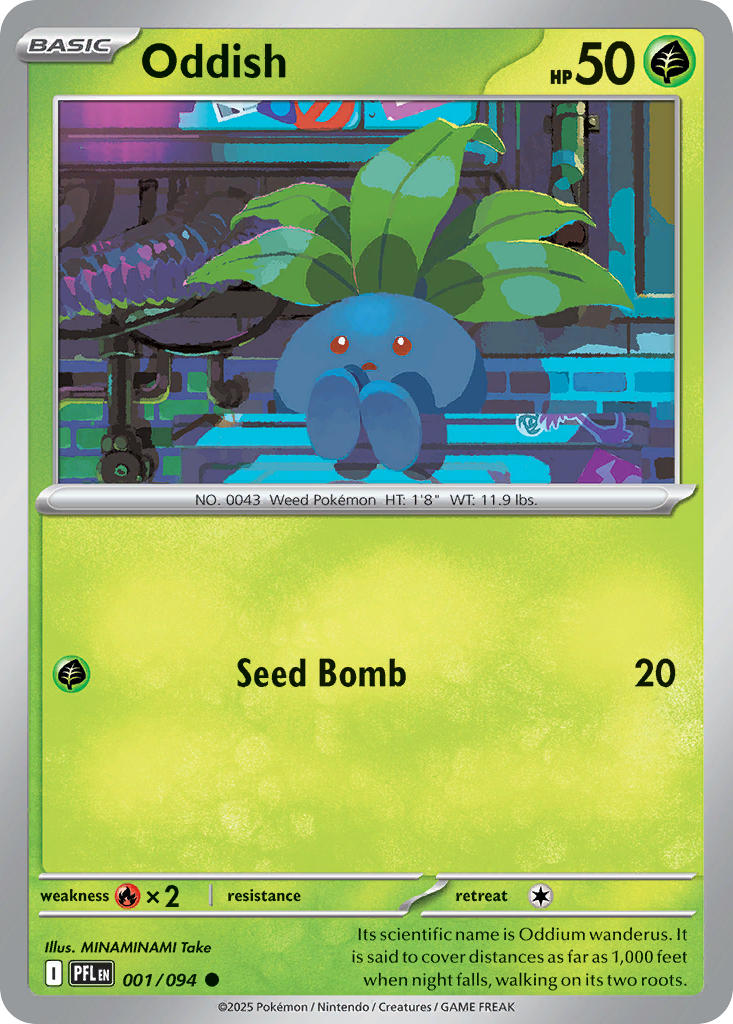
Phantasmal Flames
Example: Oddish #001/094, Common.
On this card layout, use the lower-left set mark or set code, collector number, and rarity dot. Do not confuse type or energy icons elsewhere on the card for the set identifier.
Set mark/codeMatch each marked zone against the set icon, stamp, and collector number before opening the exact card record.
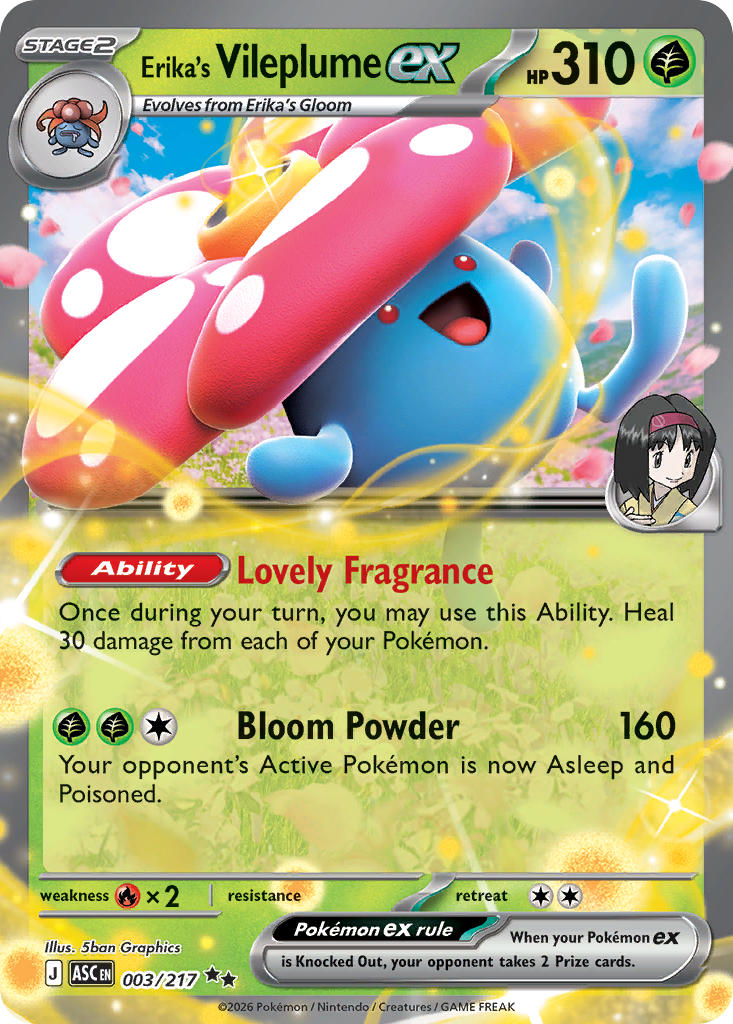
Ascended Heroes
Example: Erika's Vileplume ex #003/217, Double Rare.
On this card layout, use the lower-left set mark or set code, collector number, and rarity dot. Do not confuse type or energy icons elsewhere on the card for the set identifier.
Set mark/codeMatch each marked zone against the set icon, stamp, and collector number before opening the exact card record.
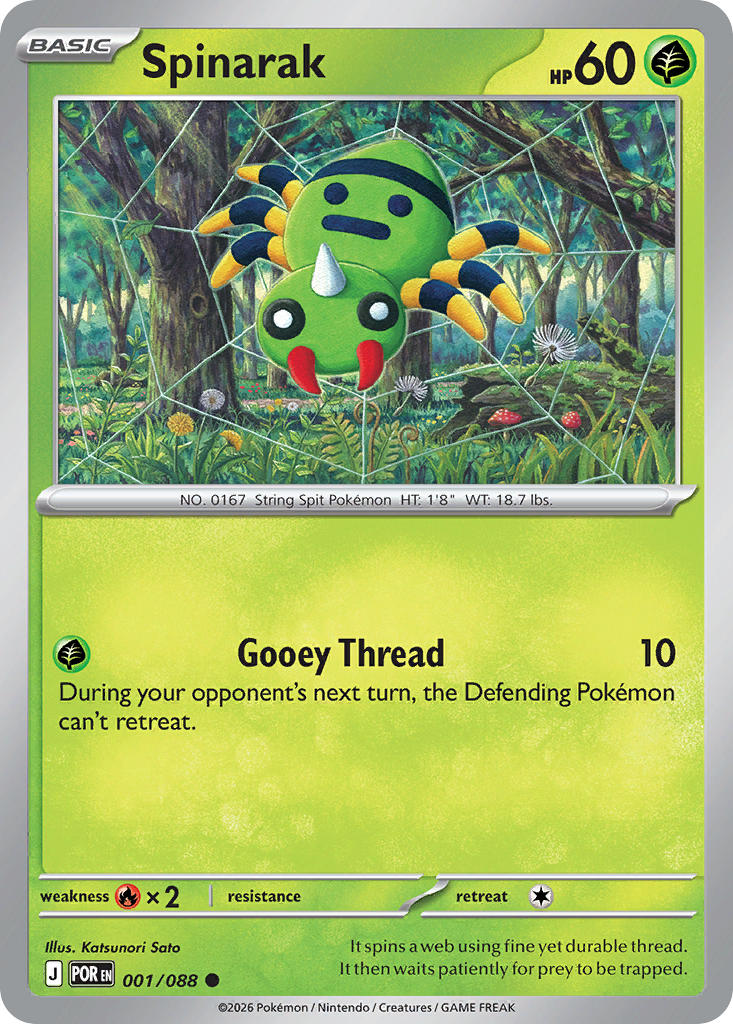
Perfect Order
Example: Spinarak #001/088, Common.
On this card layout, use the lower-left set mark or set code, collector number, and rarity dot. Do not confuse type or energy icons elsewhere on the card for the set identifier.
Set mark/codeMatch each marked zone against the set icon, stamp, and collector number before opening the exact card record.
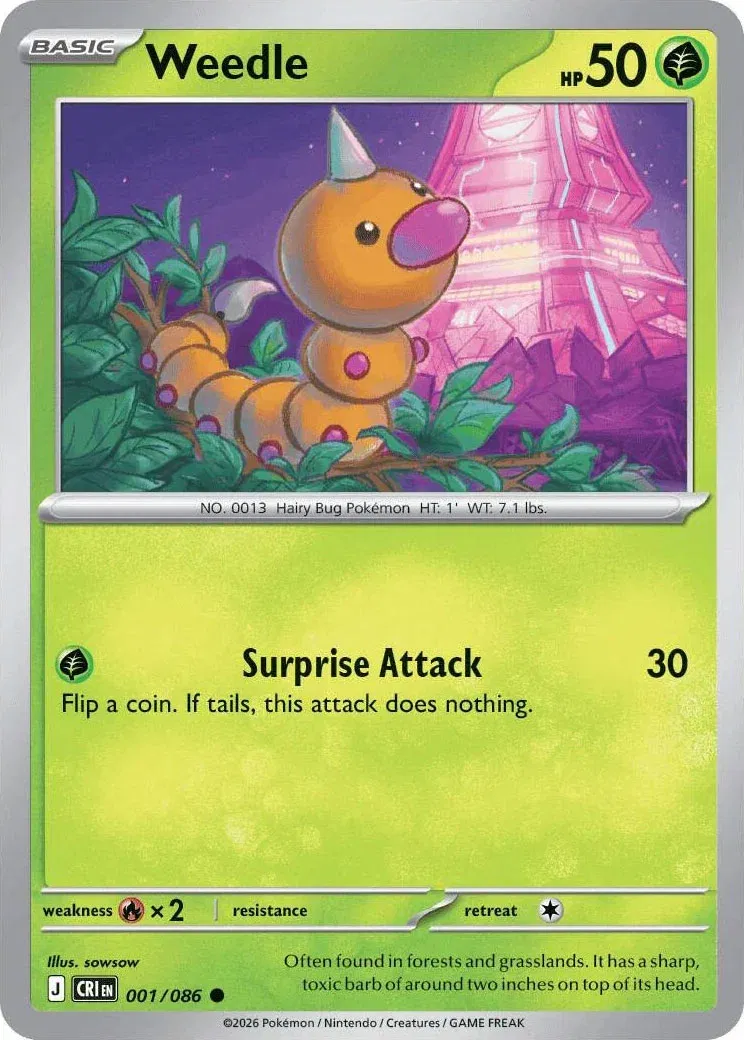
Chaos Rising
Example: Weedle #001/086, Common.
On this card layout, use the lower-left set mark or set code, collector number, and rarity dot. Do not confuse type or energy icons elsewhere on the card for the set identifier.
Set mark/codeMatch each marked zone against the set icon, stamp, and collector number before opening the exact card record.
Pitch Black
Example: Tropius #001/084, Common.
On this card layout, use the lower-left set mark or set code, collector number, and rarity dot. Do not confuse type or energy icons elsewhere on the card for the set identifier.
Set mark/codeMatch each marked zone against the set icon, stamp, and collector number before opening the exact card record.
Scarlet & Violet
17 sets in this snapshot
Scarlet & Violet
17 sets in this snapshot
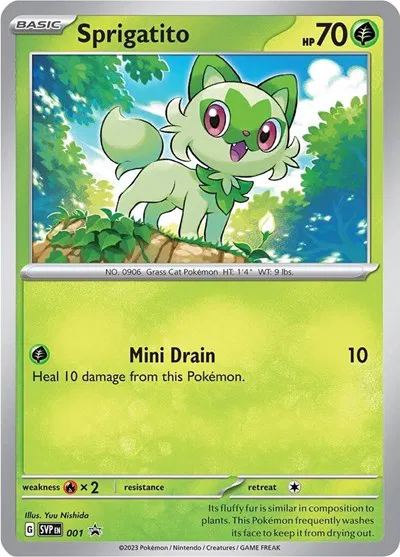
Scarlet & Violet Promo
Example: Sprigatito #001, Promo.
On this promo-style layout, use the lower-left promo/set code and collector number first, then confirm the product or distribution source if the card has one.
Promo codeMatch each marked zone against the set icon, stamp, and collector number before opening the exact card record.
Scarlet & Violet Base Set
Example: Basic Grass Energy #001, Common.
On this card layout, use the lower-left set mark or set code, collector number, and rarity dot. Do not confuse type or energy icons elsewhere on the card for the set identifier.
Set mark/codeMatch each marked zone against the set icon, stamp, and collector number before opening the exact card record.
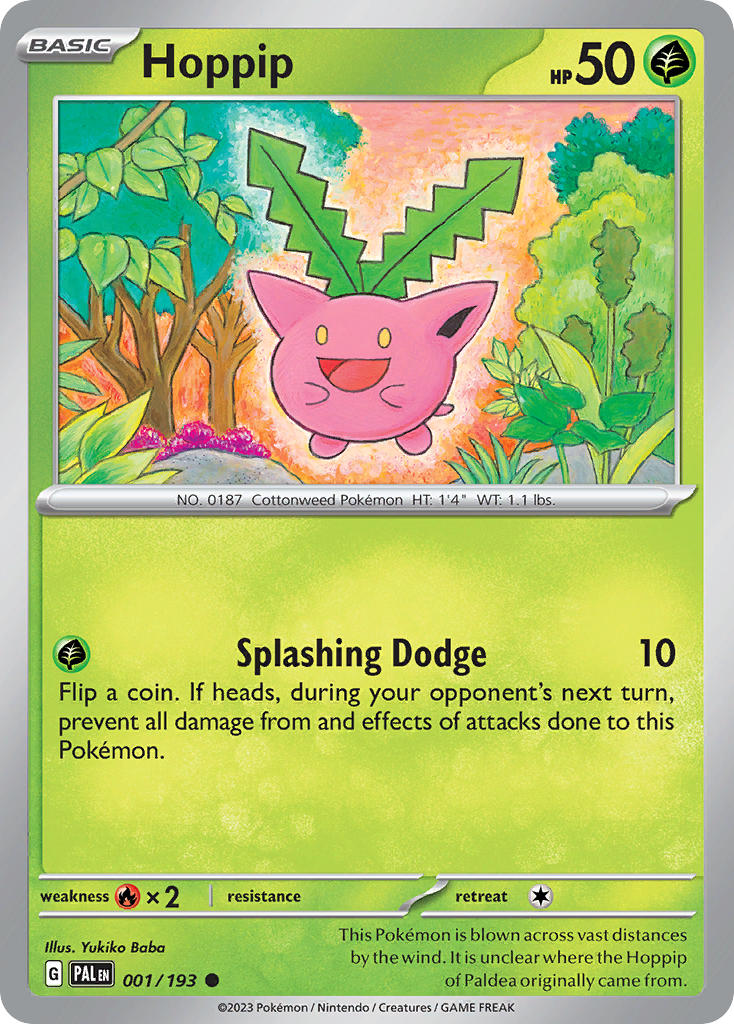
Paldea Evolved
Example: Hoppip #001/193, Common.
On this card layout, use the lower-left set mark or set code, collector number, and rarity dot. Do not confuse type or energy icons elsewhere on the card for the set identifier.
Set mark/codeMatch each marked zone against the set icon, stamp, and collector number before opening the exact card record.
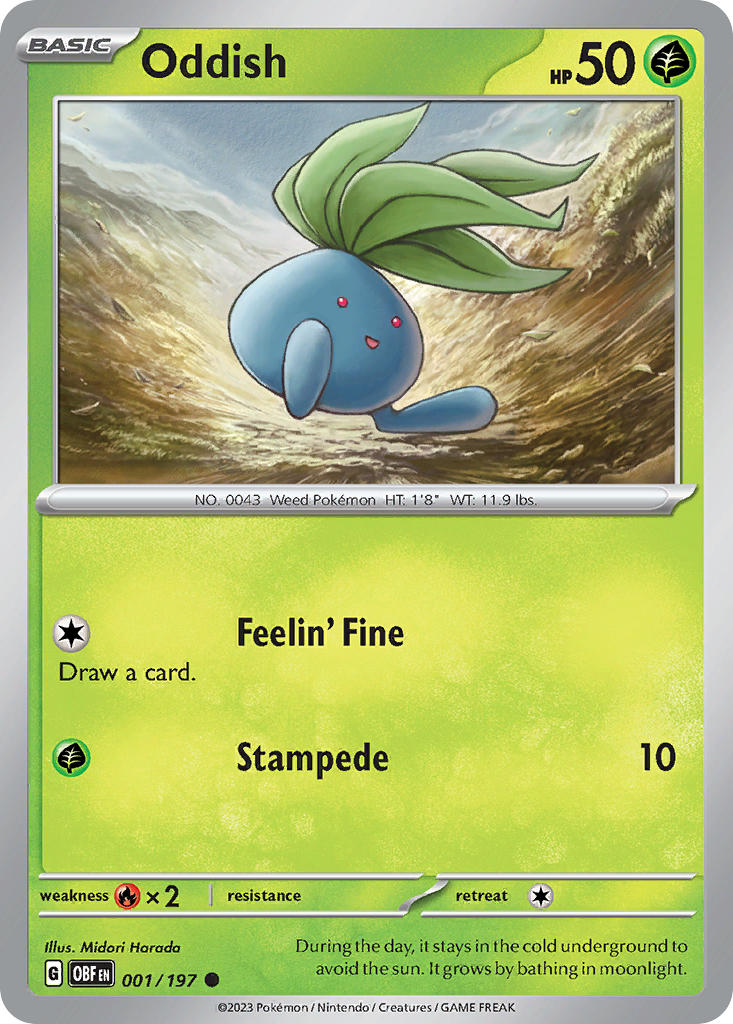
Obsidian Flames
Example: Oddish #001/197, Common.
On this card layout, use the lower-left set mark or set code, collector number, and rarity dot. Do not confuse type or energy icons elsewhere on the card for the set identifier.
Set mark/codeMatch each marked zone against the set icon, stamp, and collector number before opening the exact card record.
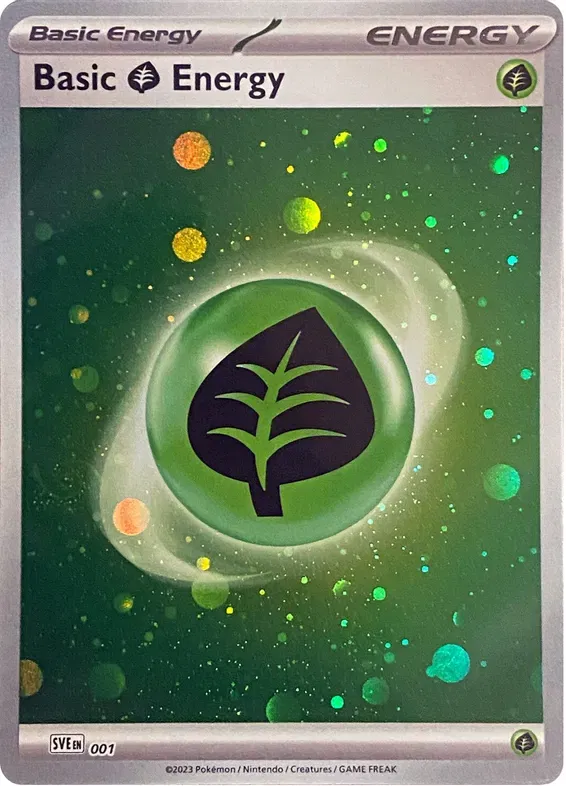
SV: 151
Example: Basic Grass Energy (Cosmos Holo) #001, Common.
On this card layout, use the lower-left set mark or set code, collector number, and rarity dot. Do not confuse type or energy icons elsewhere on the card for the set identifier.
Set mark/codeMatch each marked zone against the set icon, stamp, and collector number before opening the exact card record.
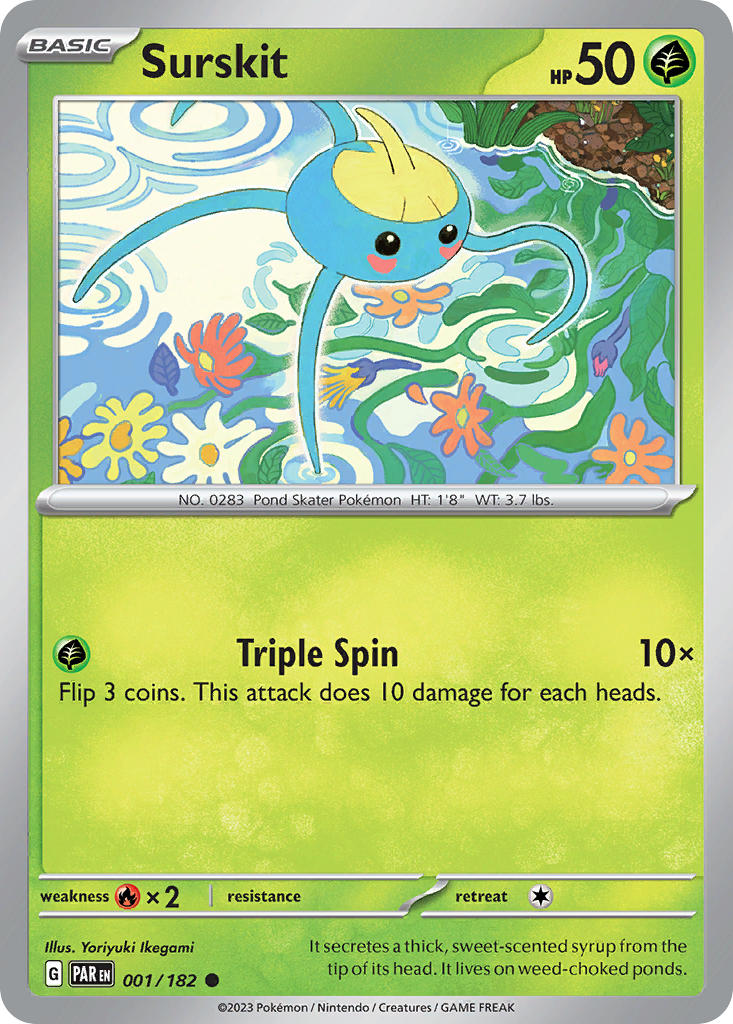
Paradox Rift
Example: Surskit #001/182, Common.
On this card layout, use the lower-left set mark or set code, collector number, and rarity dot. Do not confuse type or energy icons elsewhere on the card for the set identifier.
Set mark/codeMatch each marked zone against the set icon, stamp, and collector number before opening the exact card record.
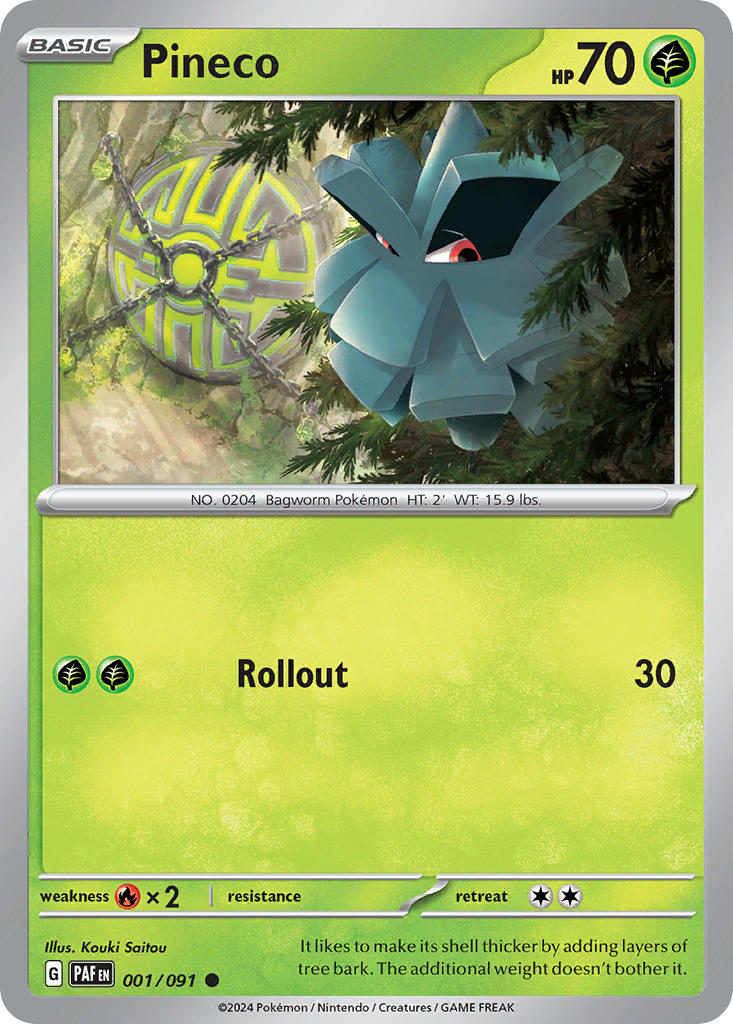
Paldean Fates
Example: Pineco #001/091, Common.
On this card layout, use the lower-left set mark or set code, collector number, and rarity dot. Do not confuse type or energy icons elsewhere on the card for the set identifier.
Set mark/codeMatch each marked zone against the set icon, stamp, and collector number before opening the exact card record.
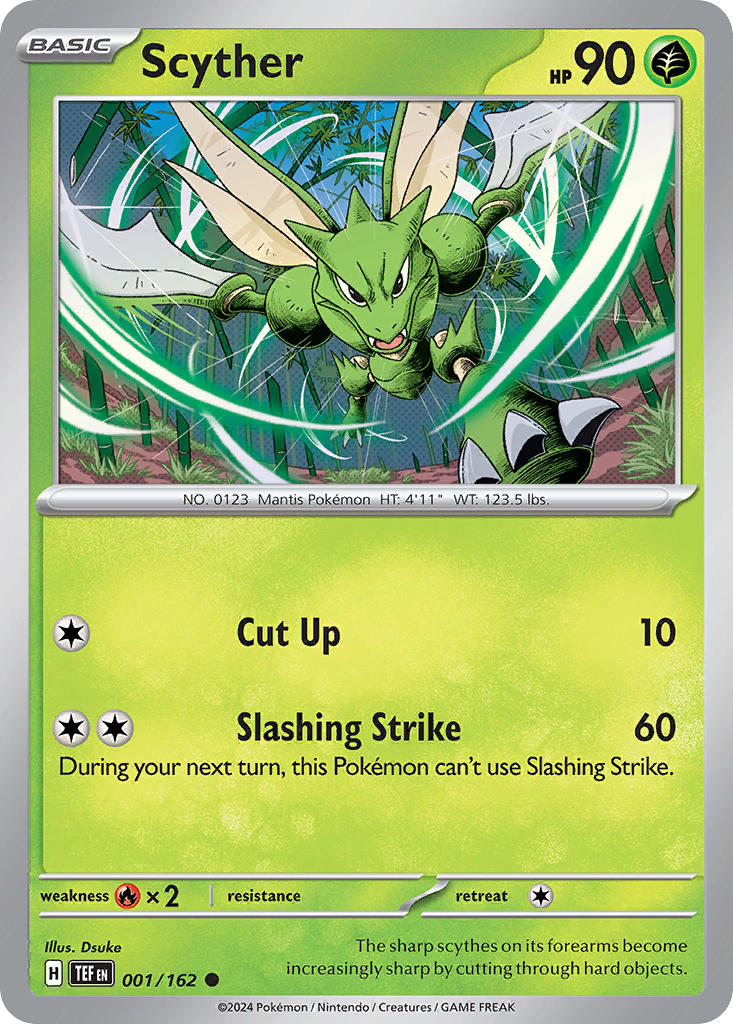
Temporal Forces
Example: Scyther #001/162, Common.
On this card layout, use the lower-left set mark or set code, collector number, and rarity dot. Do not confuse type or energy icons elsewhere on the card for the set identifier.
Set mark/codeMatch each marked zone against the set icon, stamp, and collector number before opening the exact card record.
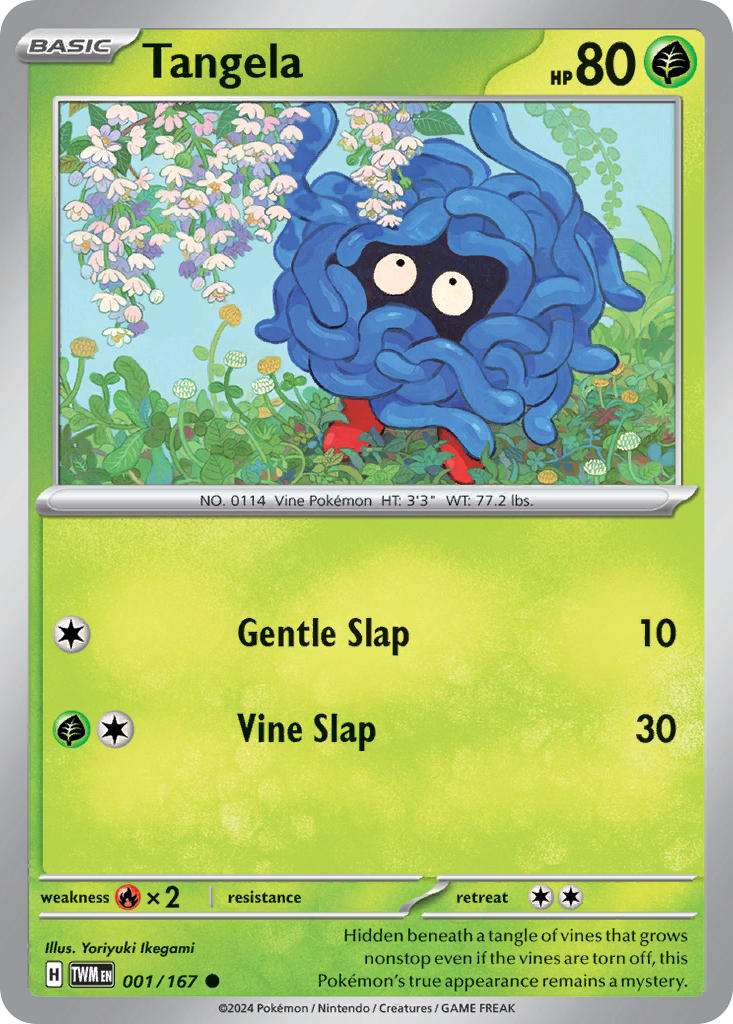
Twilight Masquerade
Example: Tangela #001/167, Common.
On this card layout, use the lower-left set mark or set code, collector number, and rarity dot. Do not confuse type or energy icons elsewhere on the card for the set identifier.
Set mark/codeMatch each marked zone against the set icon, stamp, and collector number before opening the exact card record.
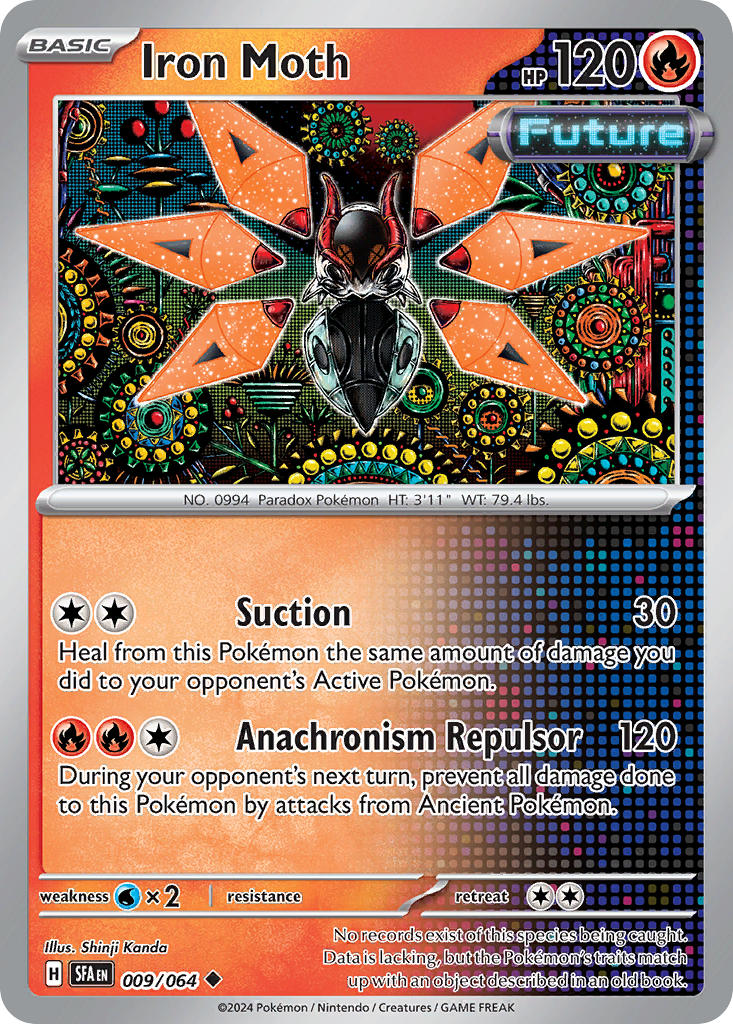
Shrouded Fable
Example: Iron Moth #009/064, Uncommon.
On this card layout, use the lower-left set mark or set code, collector number, and rarity dot. Do not confuse type or energy icons elsewhere on the card for the set identifier.
Set mark/codeMatch each marked zone against the set icon, stamp, and collector number before opening the exact card record.
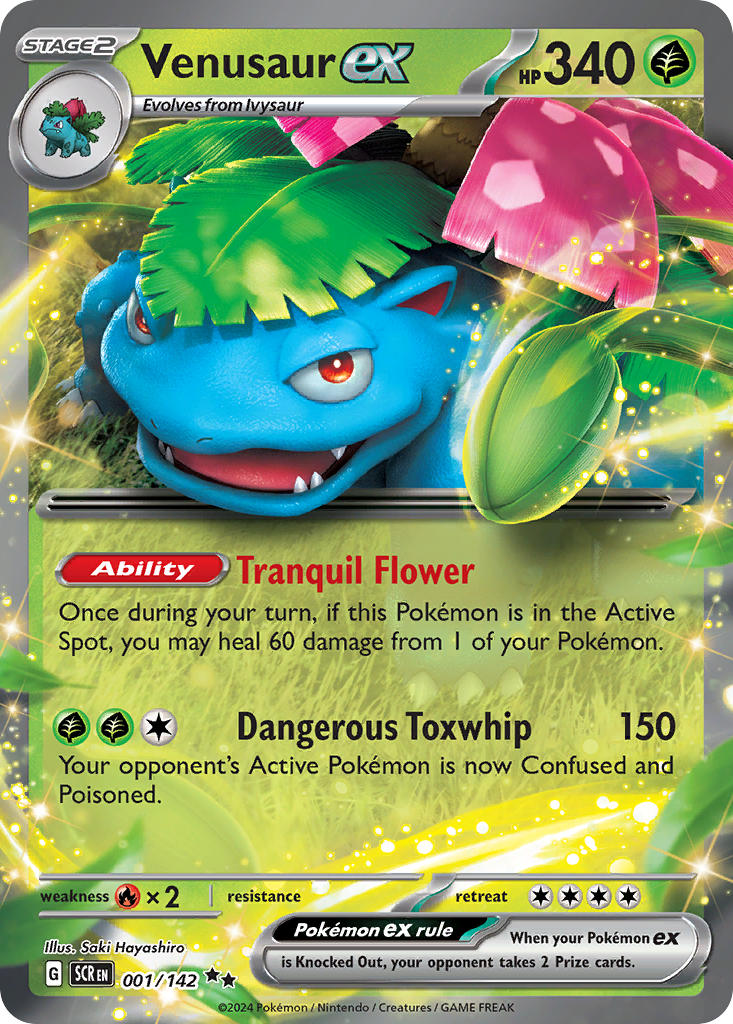
Stellar Crown
Example: Venusaur ex #001/142, Double Rare.
On this card layout, use the lower-left set mark or set code, collector number, and rarity dot. Do not confuse type or energy icons elsewhere on the card for the set identifier.
Set mark/codeMatch each marked zone against the set icon, stamp, and collector number before opening the exact card record.
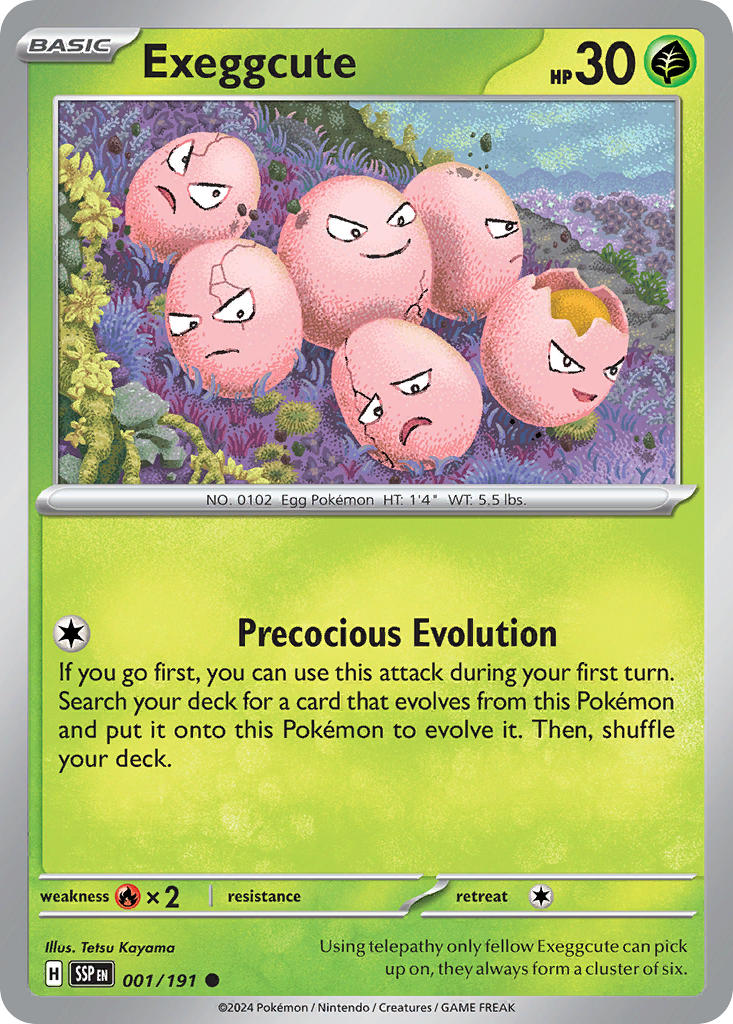
Surging Sparks
Example: Exeggcute #001/191, Common.
On this card layout, use the lower-left set mark or set code, collector number, and rarity dot. Do not confuse type or energy icons elsewhere on the card for the set identifier.
Set mark/codeMatch each marked zone against the set icon, stamp, and collector number before opening the exact card record.
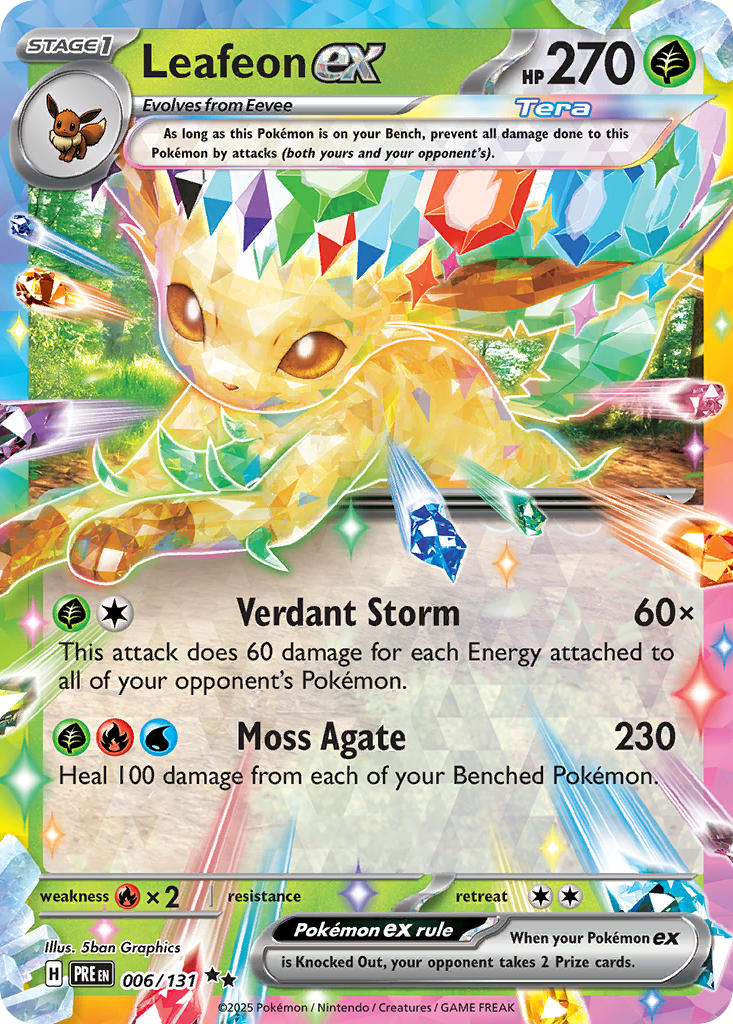
Prismatic Evolutions
Example: Leafeon ex #006/131, Double Rare.
On this card layout, use the lower-left set mark or set code, collector number, and rarity dot. Do not confuse type or energy icons elsewhere on the card for the set identifier.
Set mark/codeMatch each marked zone against the set icon, stamp, and collector number before opening the exact card record.
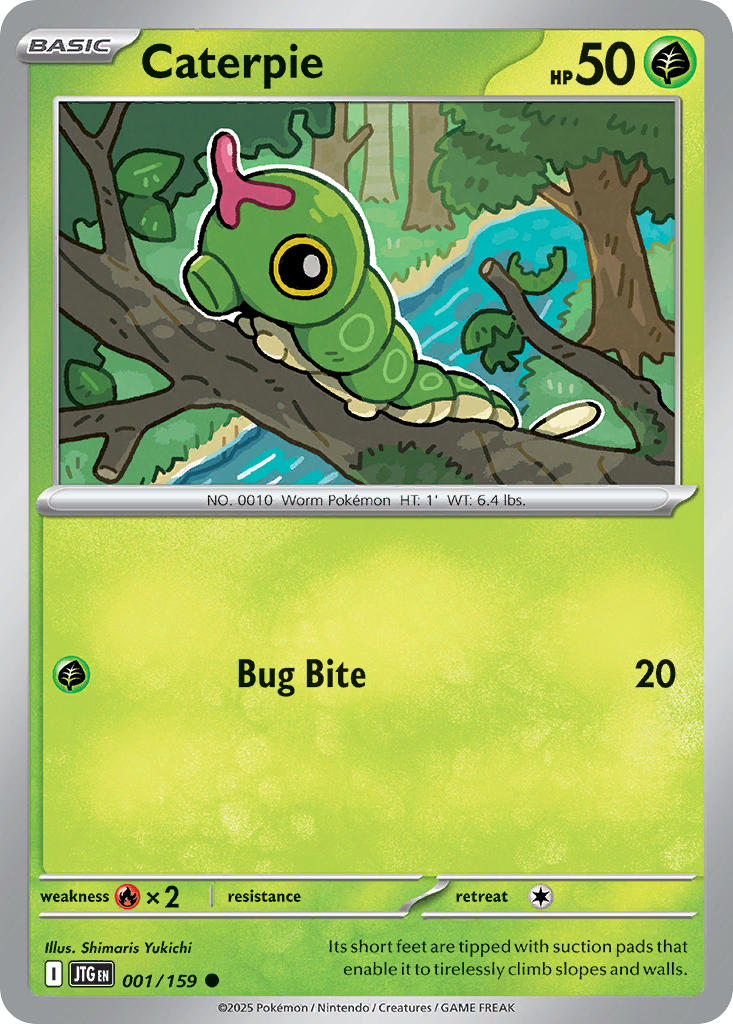
Journey Together
Example: Caterpie #001/159, Common.
On this card layout, use the lower-left set mark or set code, collector number, and rarity dot. Do not confuse type or energy icons elsewhere on the card for the set identifier.
Set mark/codeMatch each marked zone against the set icon, stamp, and collector number before opening the exact card record.
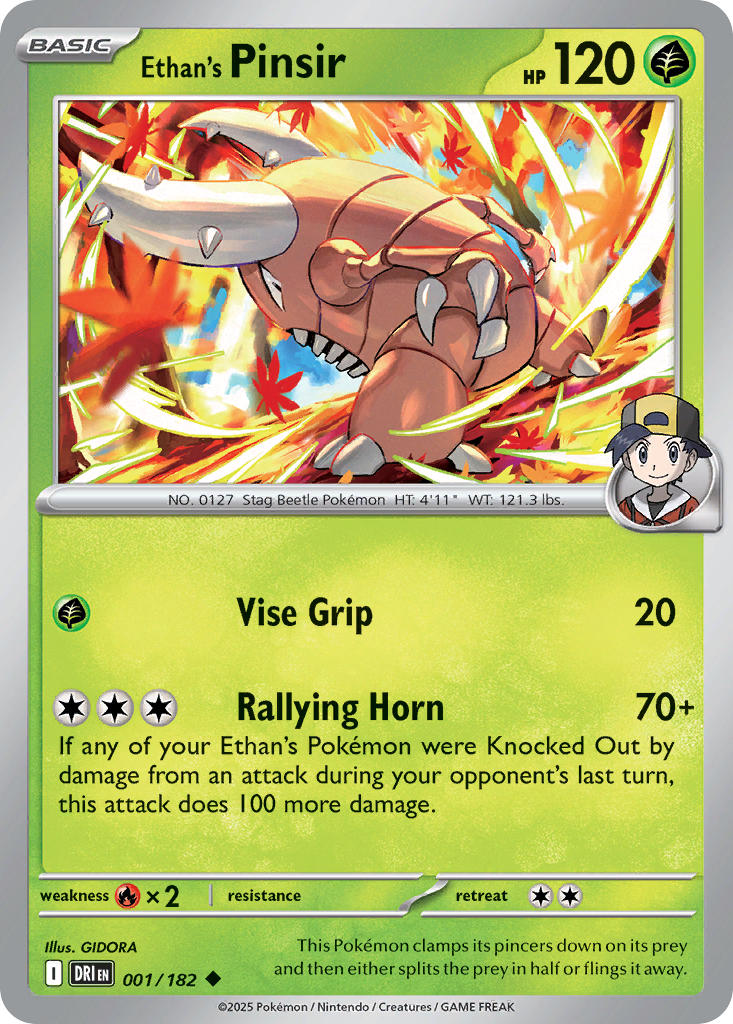
Destined Rivals
Example: Ethan's Pinsir #001/182, Uncommon.
On this card layout, use the lower-left set mark or set code, collector number, and rarity dot. Do not confuse type or energy icons elsewhere on the card for the set identifier.
Set mark/codeMatch each marked zone against the set icon, stamp, and collector number before opening the exact card record.
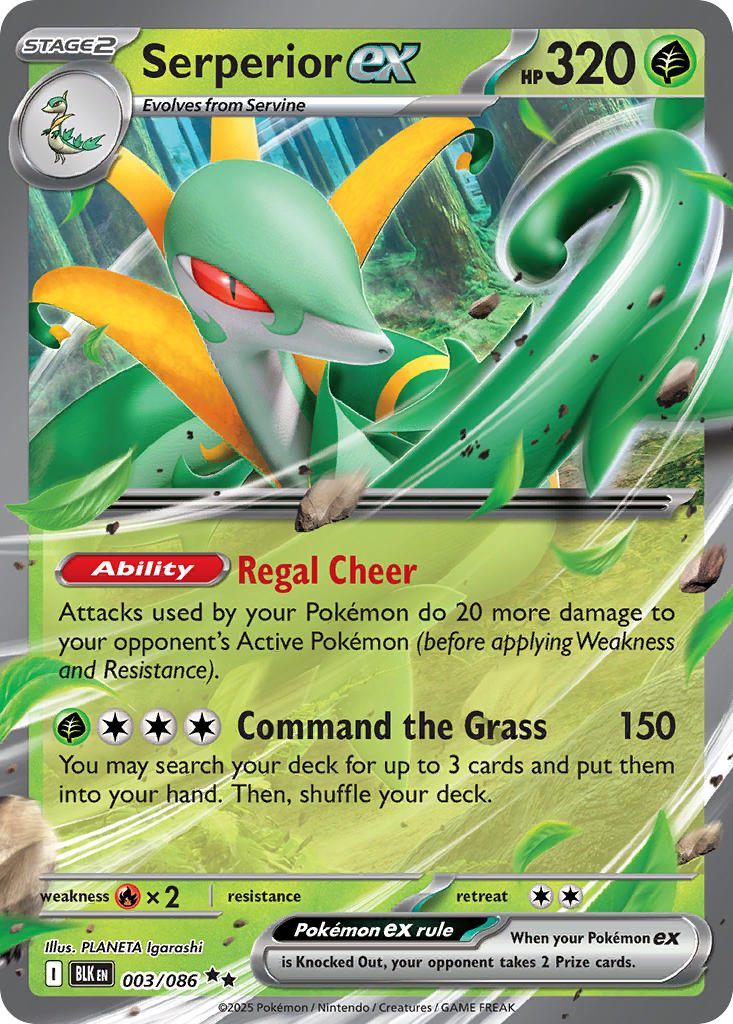
Black Bolt
Example: Serperior ex #003/086, Double Rare.
On this card layout, use the lower-left set mark or set code, collector number, and rarity dot. Do not confuse type or energy icons elsewhere on the card for the set identifier.
Set mark/codeMatch each marked zone against the set icon, stamp, and collector number before opening the exact card record.
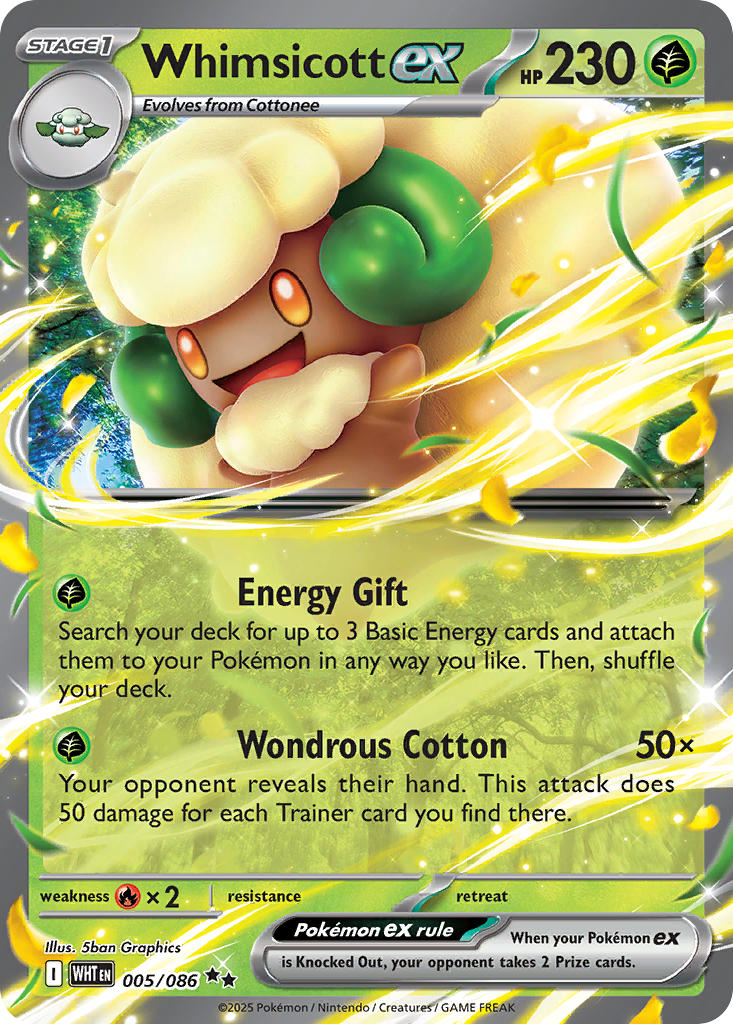
White Flare
Example: Whimsicott ex #005/086, Double Rare.
On this card layout, use the lower-left set mark or set code, collector number, and rarity dot. Do not confuse type or energy icons elsewhere on the card for the set identifier.
Set mark/codeMatch each marked zone against the set icon, stamp, and collector number before opening the exact card record.
Sword & Shield
25 sets in this snapshot
Sword & Shield
25 sets in this snapshot
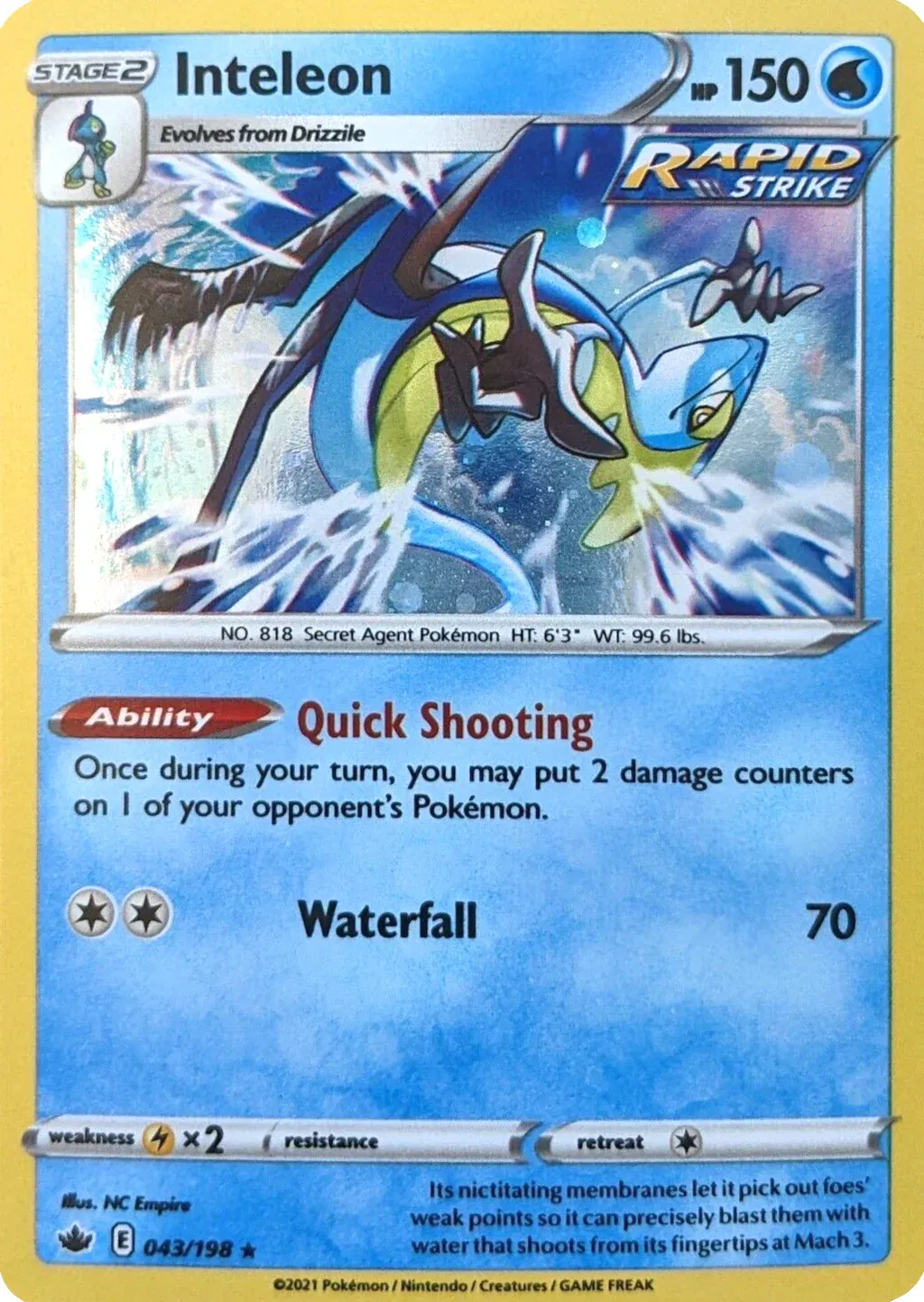
Sword & Shield Promo
Example: Inteleon - 043/198 (Cosmos Holo) #043/198, Holo Rare.
On this promo-style layout, use the lower-left promo/set code and collector number first, then confirm the product or distribution source if the card has one.
Promo codeMatch each marked zone against the set icon, stamp, and collector number before opening the exact card record.
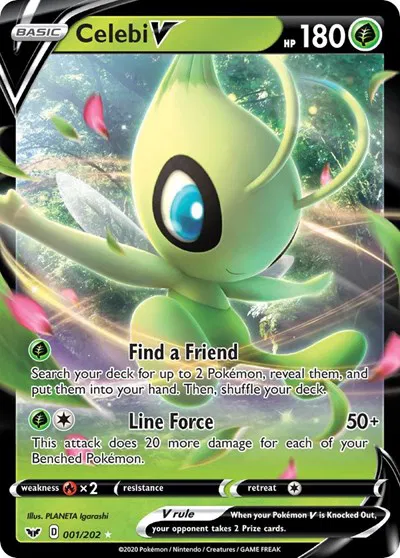
Sword & Shield Base Set
Example: Celebi V #001/202, Ultra Rare.
On this card layout, use the lower-left set mark or set code, collector number, and rarity dot. Do not confuse type or energy icons elsewhere on the card for the set identifier.
Set mark/codeMatch each marked zone against the set icon, stamp, and collector number before opening the exact card record.
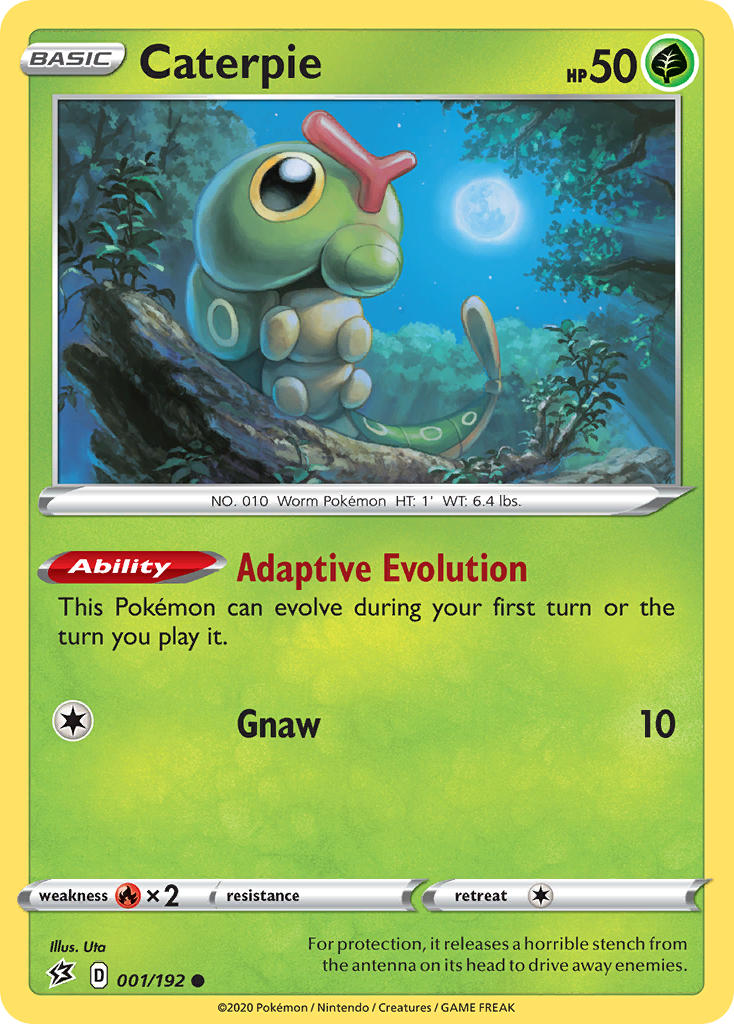
Rebel Clash
Example: Caterpie #001/192, Common.
On this card layout, use the lower-left set mark or set code, collector number, and rarity dot. Do not confuse type or energy icons elsewhere on the card for the set identifier.
Set mark/codeMatch each marked zone against the set icon, stamp, and collector number before opening the exact card record.
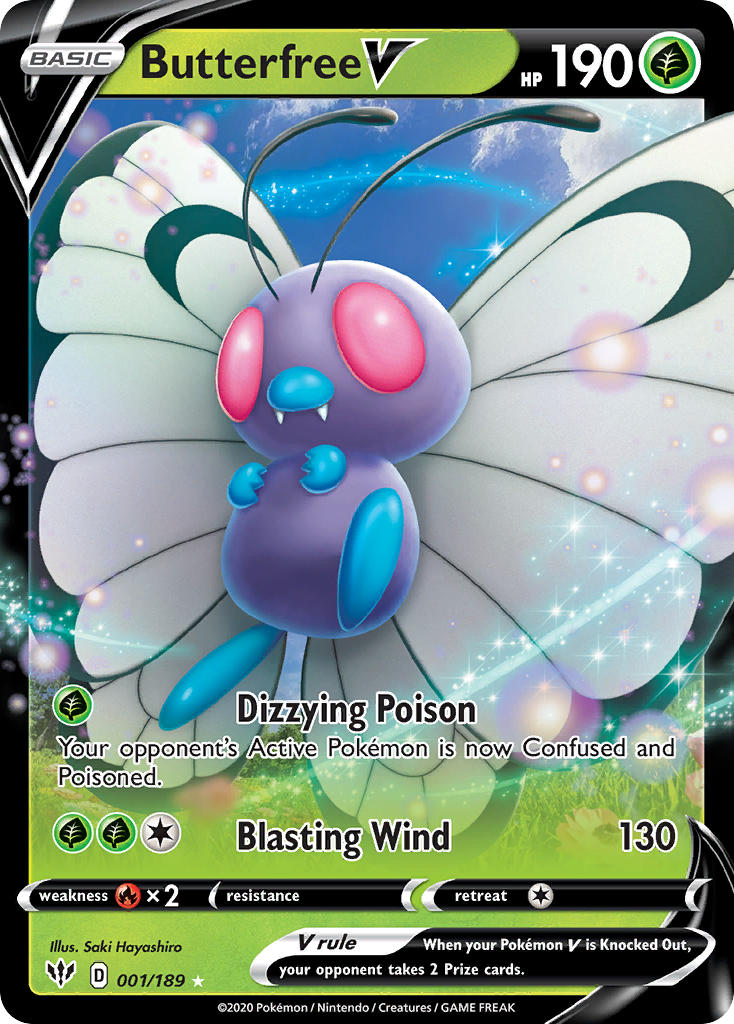
Darkness Ablaze
Example: Butterfree V #001/189, Ultra Rare.
On this card layout, use the lower-left set mark or set code, collector number, and rarity dot. Do not confuse type or energy icons elsewhere on the card for the set identifier.
Set mark/codeMatch each marked zone against the set icon, stamp, and collector number before opening the exact card record.
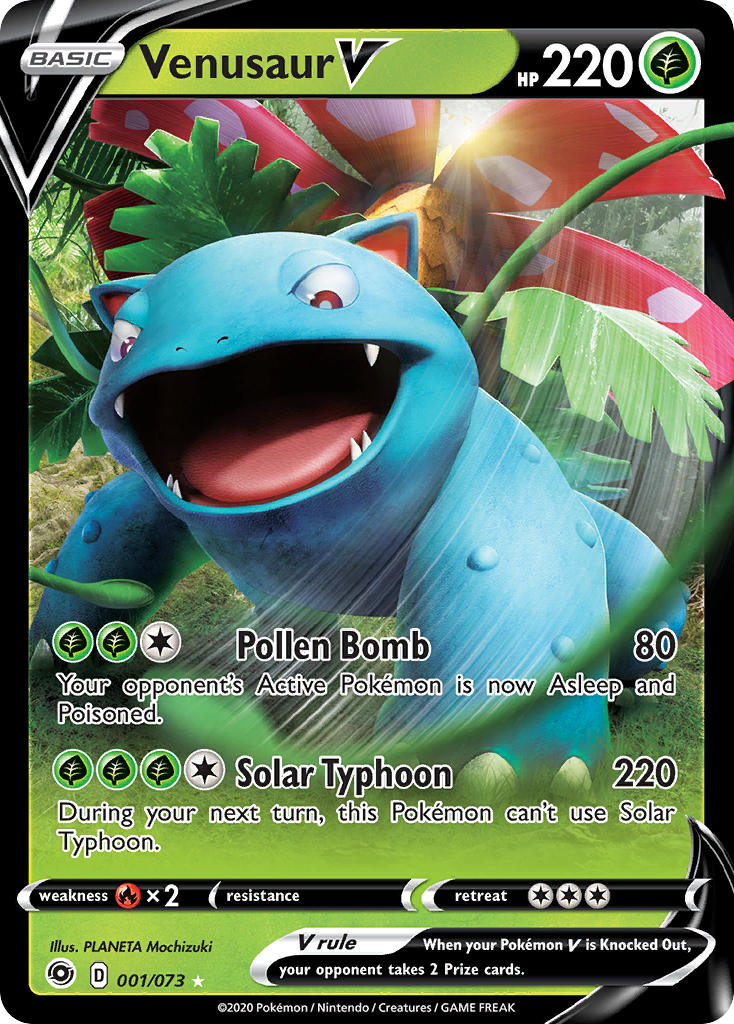
Champion's Path
Example: Venusaur V #001/073, Ultra Rare.
On this card layout, use the lower-left set mark or set code, collector number, and rarity dot. Do not confuse type or energy icons elsewhere on the card for the set identifier.
Set mark/codeMatch each marked zone against the set icon, stamp, and collector number before opening the exact card record.
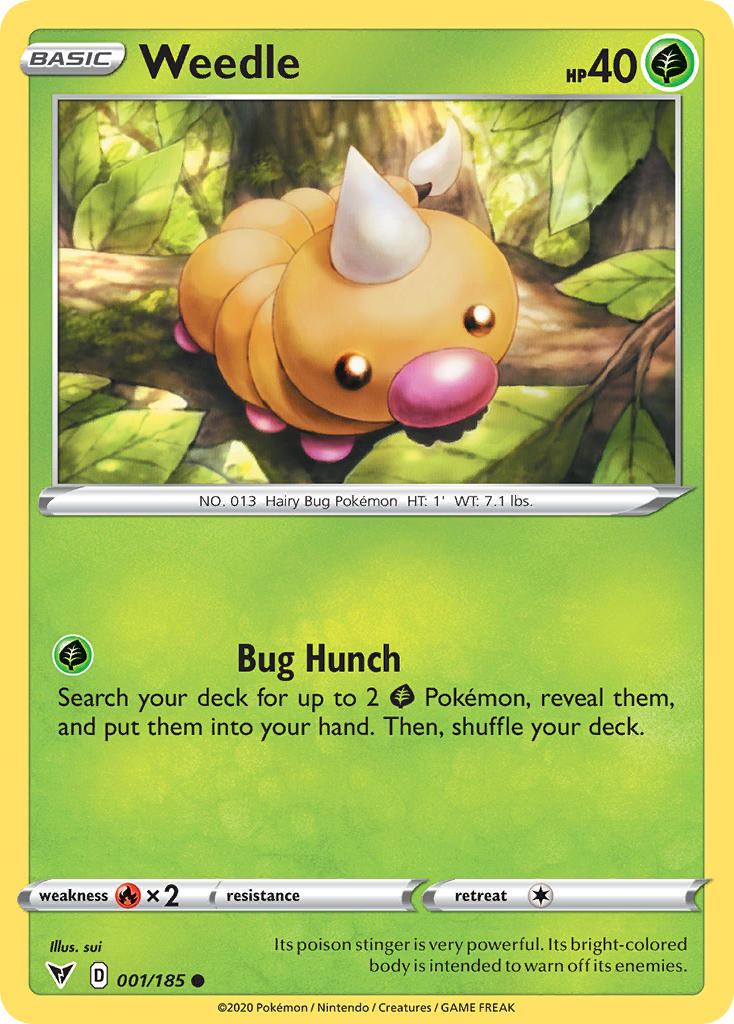
Vivid Voltage
Example: Weedle #001/185, Common.
On this card layout, use the lower-left set mark or set code, collector number, and rarity dot. Do not confuse type or energy icons elsewhere on the card for the set identifier.
Set mark/codeMatch each marked zone against the set icon, stamp, and collector number before opening the exact card record.
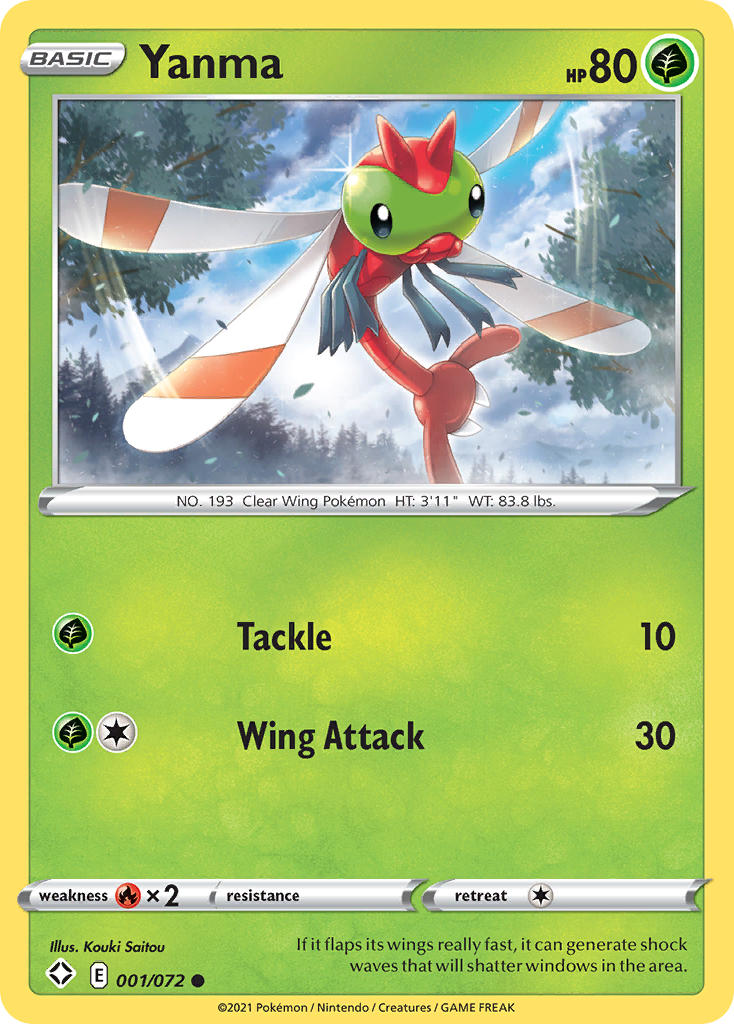
Shining Fates
Example: Yanma #001/072, Common.
On this card layout, use the lower-left set mark or set code, collector number, and rarity dot. Do not confuse type or energy icons elsewhere on the card for the set identifier.
Set mark/codeMatch each marked zone against the set icon, stamp, and collector number before opening the exact card record.
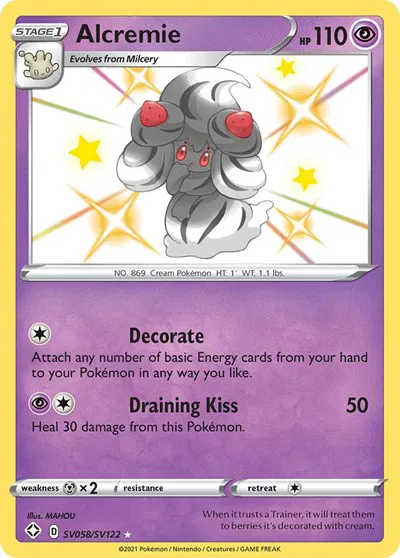
Shining Fates: Shiny Vault
Example: Alcremie #SV058/SV122, Shiny Holo Rare.
On this card layout, use the lower-left set mark or set code, collector number, and rarity dot. Do not confuse type or energy icons elsewhere on the card for the set identifier.
Set mark/codeMatch each marked zone against the set icon, stamp, and collector number before opening the exact card record.
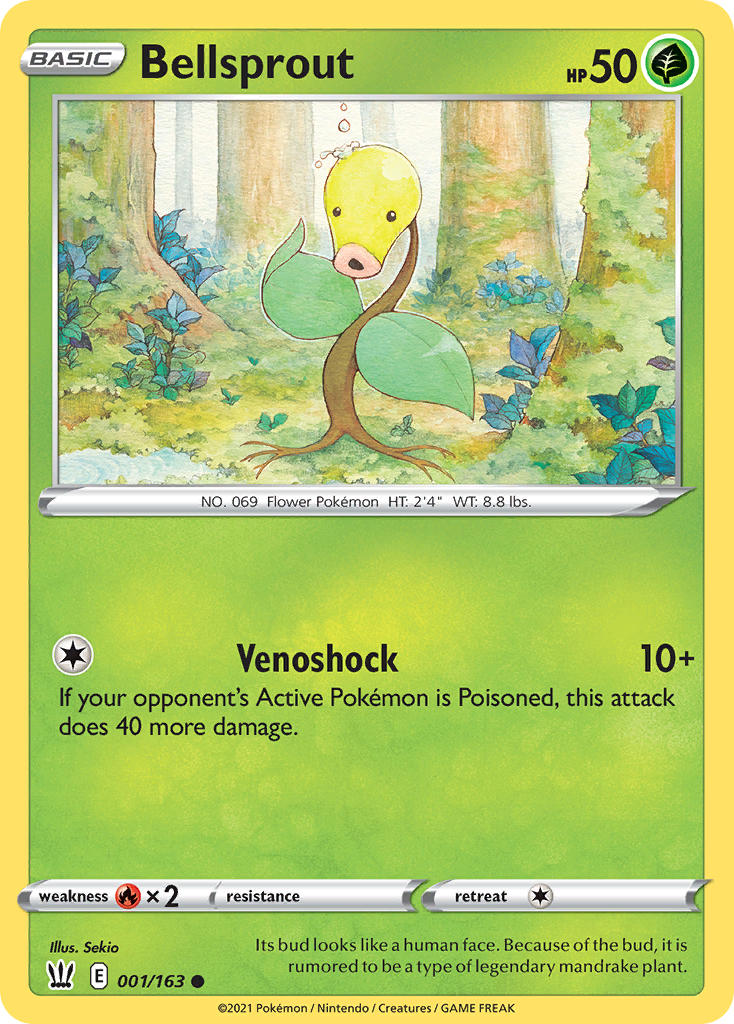
Battle Styles
Example: Bellsprout #001/163, Common.
On this card layout, use the lower-left set mark or set code, collector number, and rarity dot. Do not confuse type or energy icons elsewhere on the card for the set identifier.
Set mark/codeMatch each marked zone against the set icon, stamp, and collector number before opening the exact card record.
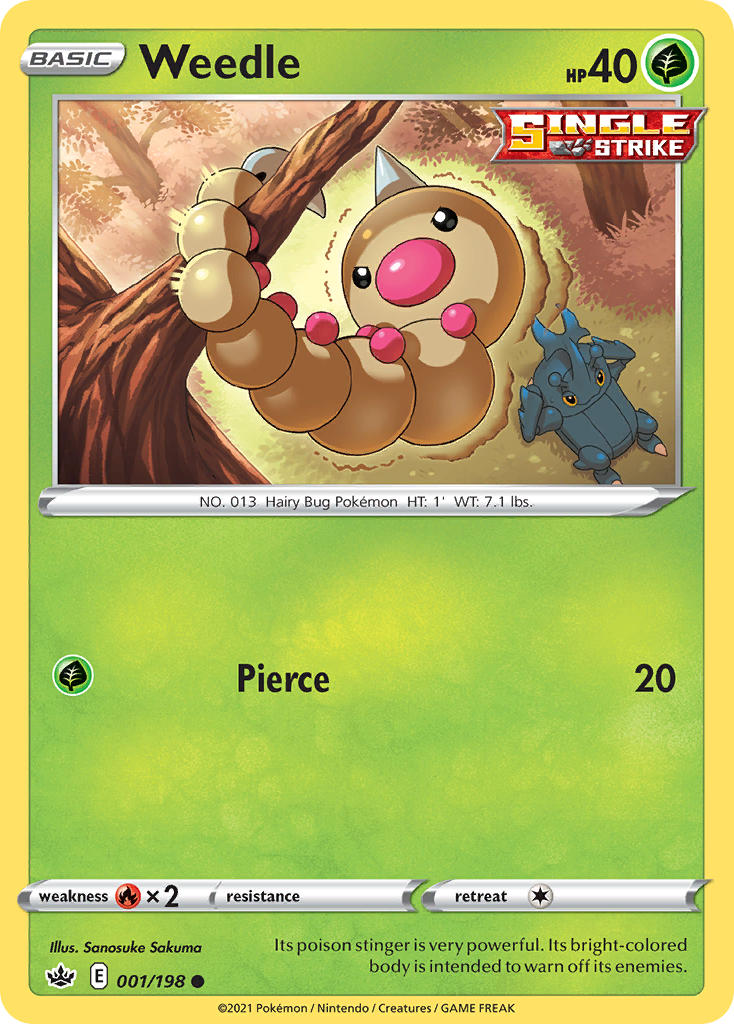
Chilling Reign
Example: Weedle #001/198, Common.
On this card layout, use the lower-left set mark or set code, collector number, and rarity dot. Do not confuse type or energy icons elsewhere on the card for the set identifier.
Set mark/codeMatch each marked zone against the set icon, stamp, and collector number before opening the exact card record.
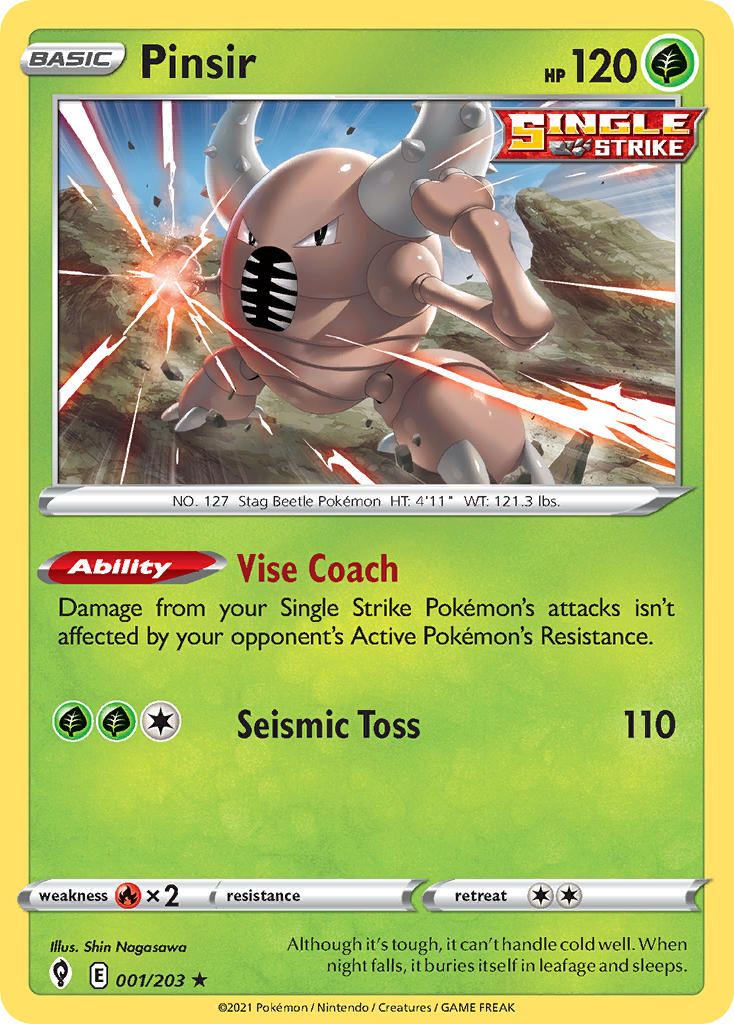
Evolving Skies
Example: Pinsir #001/203, Rare.
On this card layout, use the lower-left set mark or set code, collector number, and rarity dot. Do not confuse type or energy icons elsewhere on the card for the set identifier.
Set mark/codeMatch each marked zone against the set icon, stamp, and collector number before opening the exact card record.
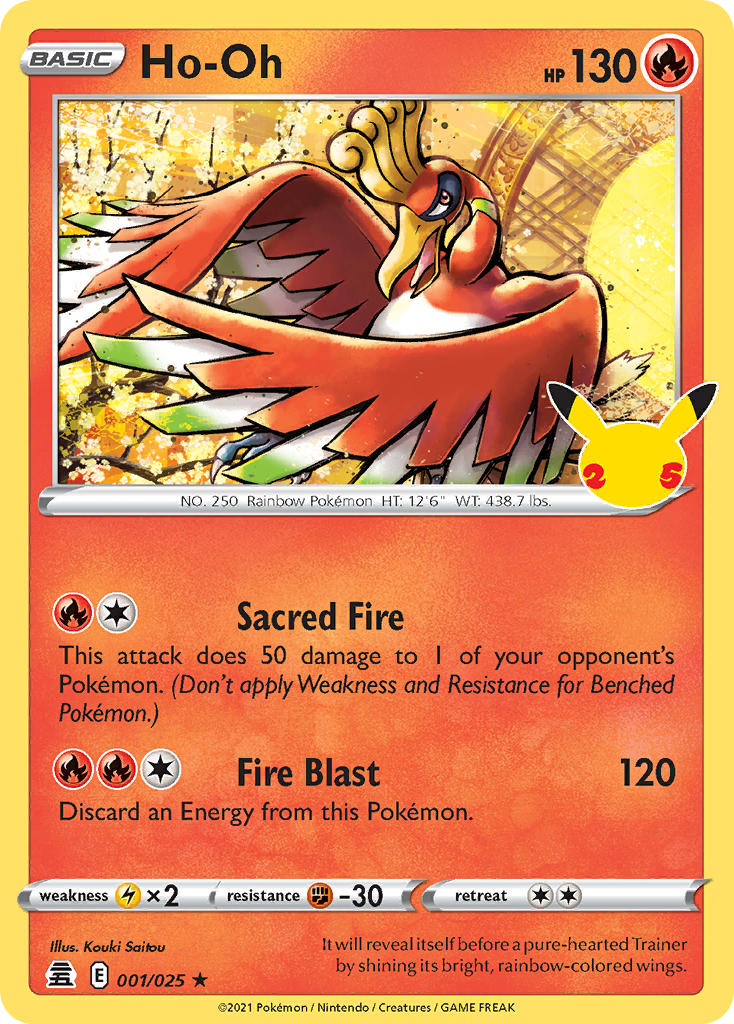
Celebrations
Example: Ho-oh #001/025, Holo Rare.
On this card layout, use the lower-left set mark or set code, collector number, and rarity dot. Do not confuse type or energy icons elsewhere on the card for the set identifier.
Set mark/codeMatch each marked zone against the set icon, stamp, and collector number before opening the exact card record.
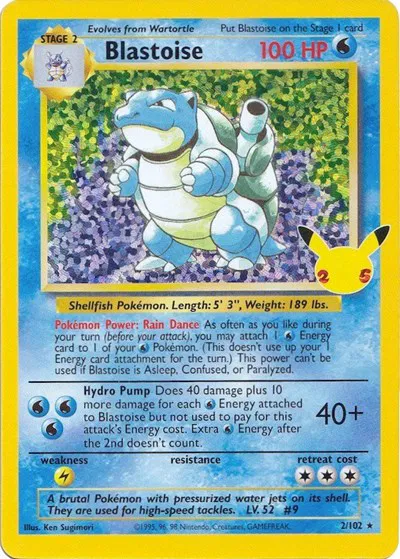
Celebrations: Classic Collection
Example: Blastoise #2/102, Classic Collection.
On this card layout, use the lower-left set mark or set code, collector number, and rarity dot. Do not confuse type or energy icons elsewhere on the card for the set identifier.
Set mark/codeMatch each marked zone against the set icon, stamp, and collector number before opening the exact card record.
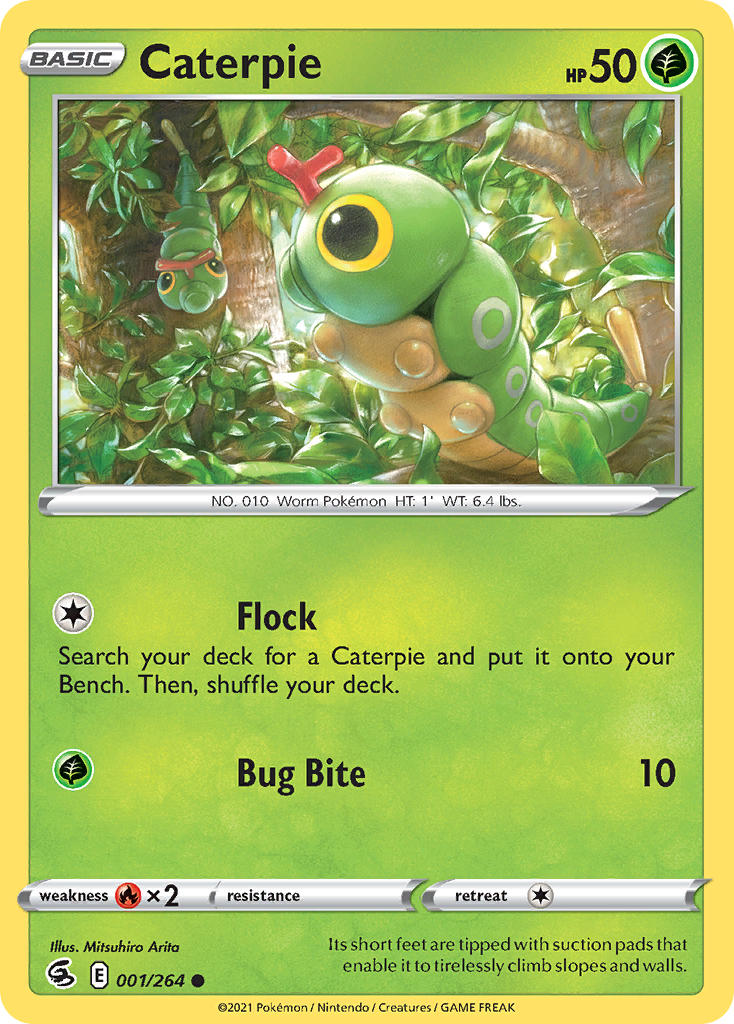
Fusion Strike
Example: Caterpie #001/264, Common.
On this card layout, use the lower-left set mark or set code, collector number, and rarity dot. Do not confuse type or energy icons elsewhere on the card for the set identifier.
Set mark/codeMatch each marked zone against the set icon, stamp, and collector number before opening the exact card record.
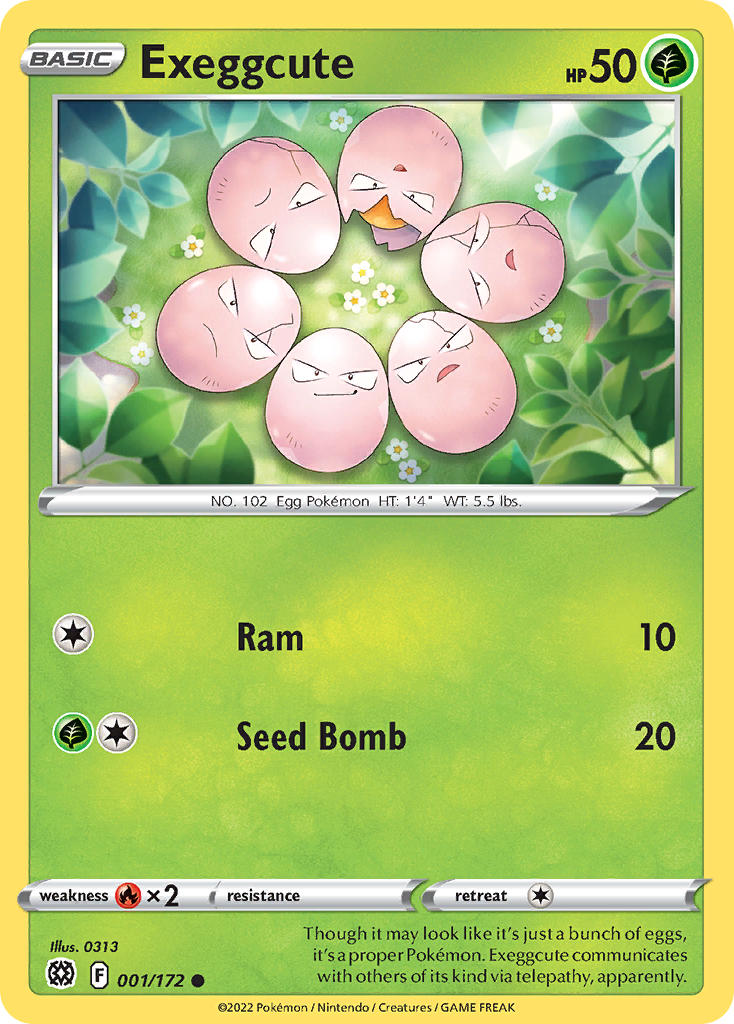
Brilliant Stars
Example: Exeggcute #001/172, Common.
On this card layout, use the lower-left set mark or set code, collector number, and rarity dot. Do not confuse type or energy icons elsewhere on the card for the set identifier.
Set mark/codeMatch each marked zone against the set icon, stamp, and collector number before opening the exact card record.
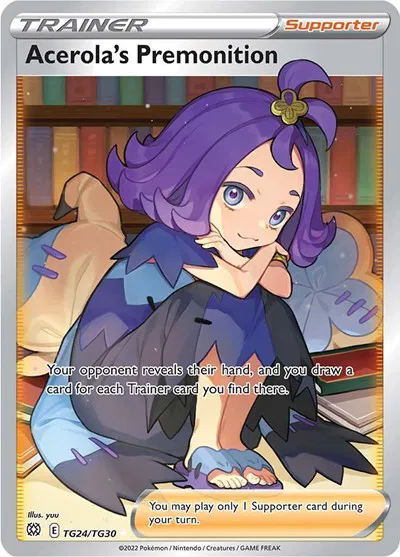
Brilliant Stars Trainer Gallery
Example: Acerola's Premonition #TG24/TG30, Ultra Rare.
Trainer Gallery and Galarian Gallery cards use the lower-left TG/GG collector number and set code area. Match that gallery code before treating the card like the main-set slot.
Set mark/codeMatch each marked zone against the set icon, stamp, and collector number before opening the exact card record.
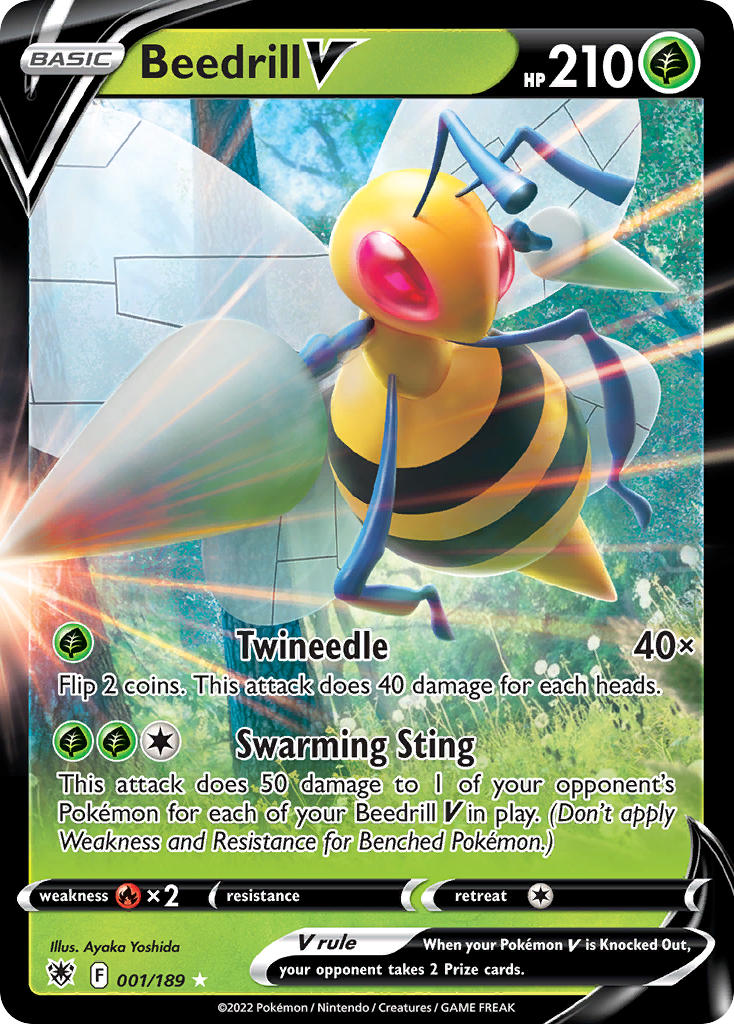
Astral Radiance
Example: Beedrill V #001/189, Holo Rare.
On this card layout, use the lower-left set mark or set code, collector number, and rarity dot. Do not confuse type or energy icons elsewhere on the card for the set identifier.
Set mark/codeMatch each marked zone against the set icon, stamp, and collector number before opening the exact card record.
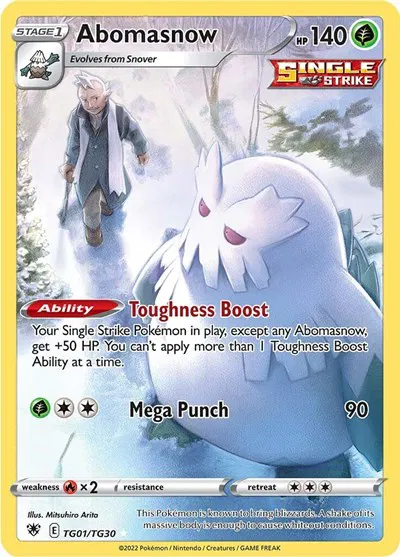
Astral Radiance Trainer Gallery
Example: Abomasnow #TG01/TG30, Ultra Rare.
Trainer Gallery and Galarian Gallery cards use the lower-left TG/GG collector number and set code area. Match that gallery code before treating the card like the main-set slot.
Set mark/codeMatch each marked zone against the set icon, stamp, and collector number before opening the exact card record.
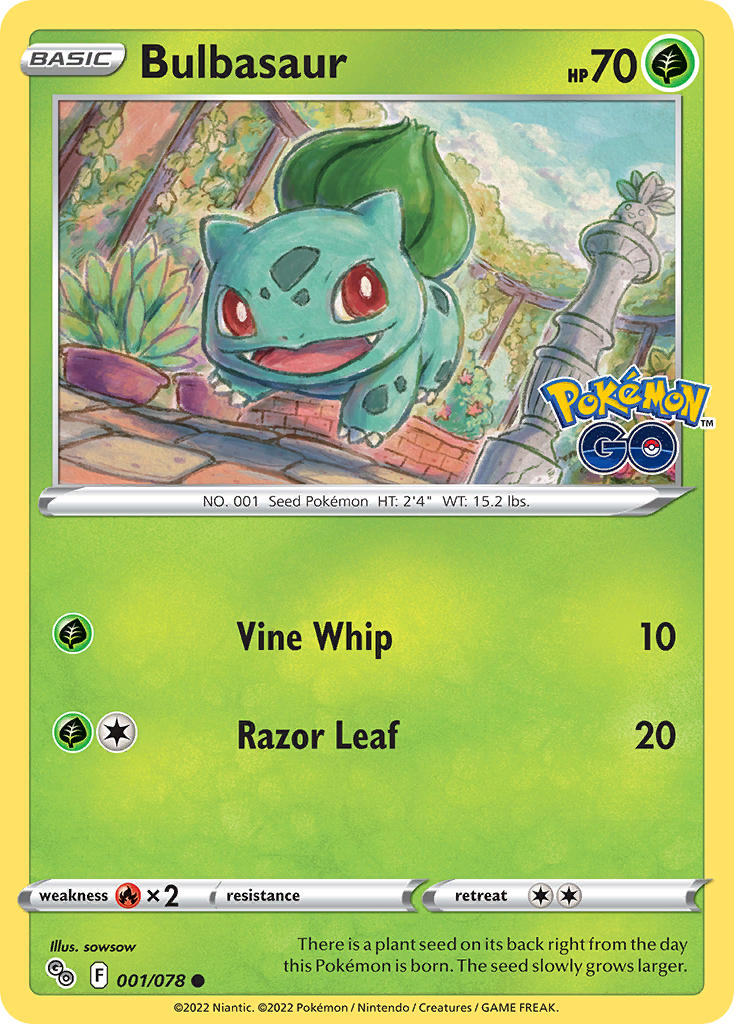
Pokemon Go
Example: Bulbasaur #001/078, Common.
On this card layout, use the lower-left set mark or set code, collector number, and rarity dot. Do not confuse type or energy icons elsewhere on the card for the set identifier.
Set mark/codeMatch each marked zone against the set icon, stamp, and collector number before opening the exact card record.
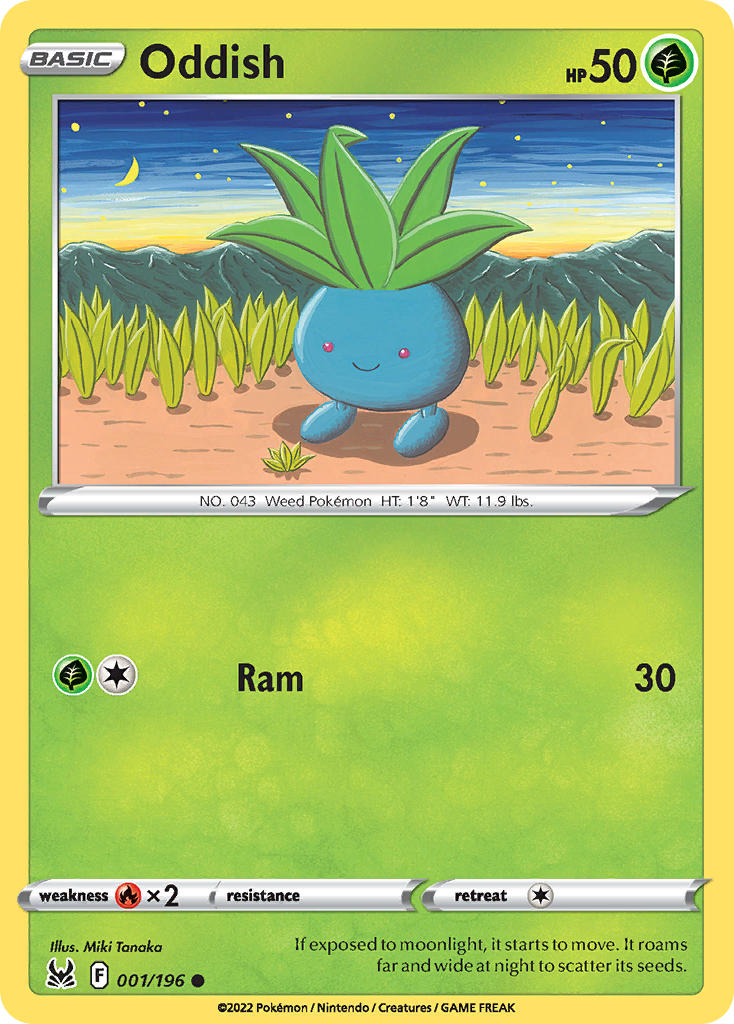
Lost Origin
Example: Oddish #001/196, Common.
On this card layout, use the lower-left set mark or set code, collector number, and rarity dot. Do not confuse type or energy icons elsewhere on the card for the set identifier.
Set mark/codeMatch each marked zone against the set icon, stamp, and collector number before opening the exact card record.
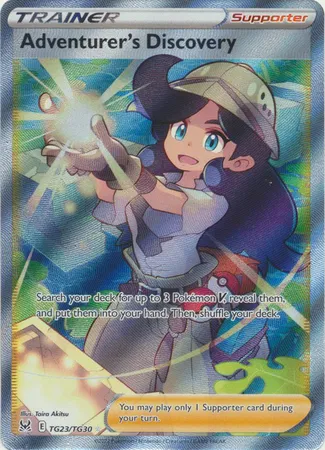
Lost Origin Trainer Gallery
Example: Adventurer's Discovery #TG23/TG30, Ultra Rare.
Trainer Gallery and Galarian Gallery cards use the lower-left TG/GG collector number and set code area. Match that gallery code before treating the card like the main-set slot.
Set mark/codeMatch each marked zone against the set icon, stamp, and collector number before opening the exact card record.
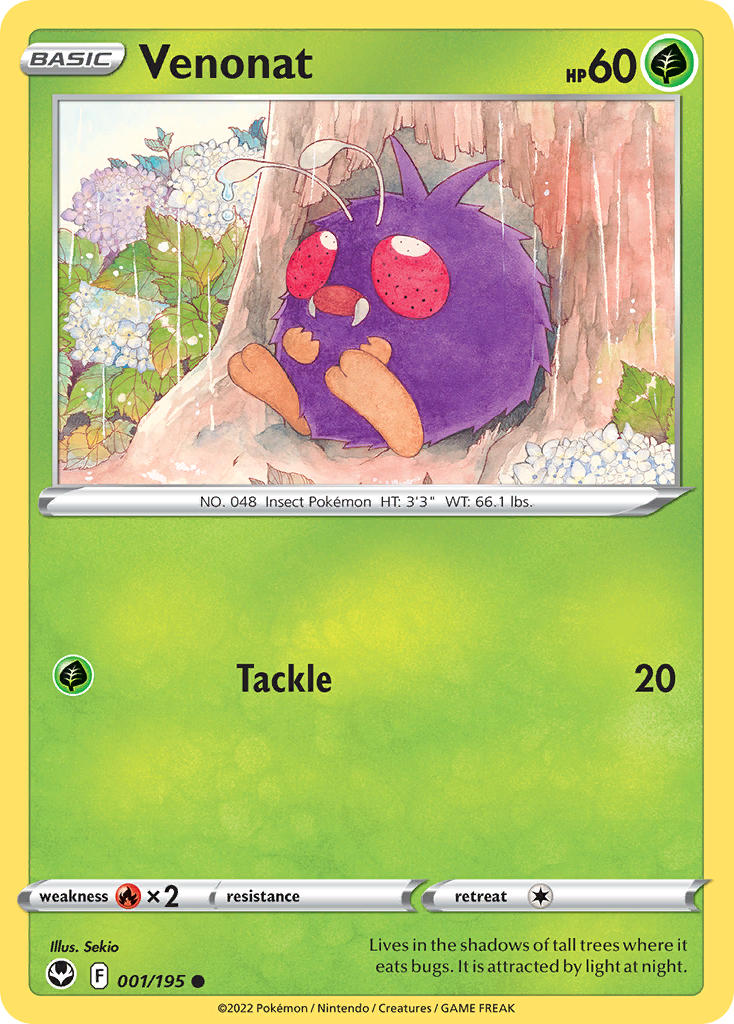
Silver Tempest
Example: Venonat #001/195, Common.
On this card layout, use the lower-left set mark or set code, collector number, and rarity dot. Do not confuse type or energy icons elsewhere on the card for the set identifier.
Set mark/codeMatch each marked zone against the set icon, stamp, and collector number before opening the exact card record.
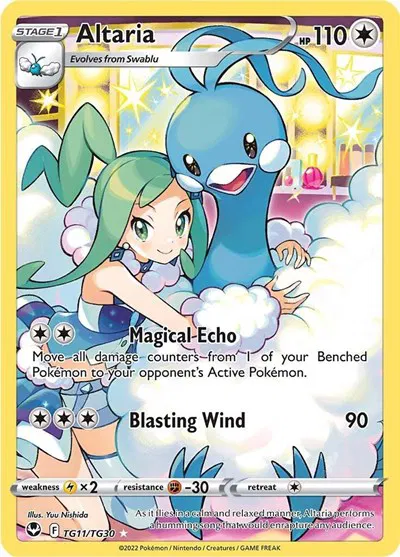
Silver Tempest Trainer Gallery
Example: Altaria #TG11/TG30, Ultra Rare.
Trainer Gallery and Galarian Gallery cards use the lower-left TG/GG collector number and set code area. Match that gallery code before treating the card like the main-set slot.
Set mark/codeMatch each marked zone against the set icon, stamp, and collector number before opening the exact card record.
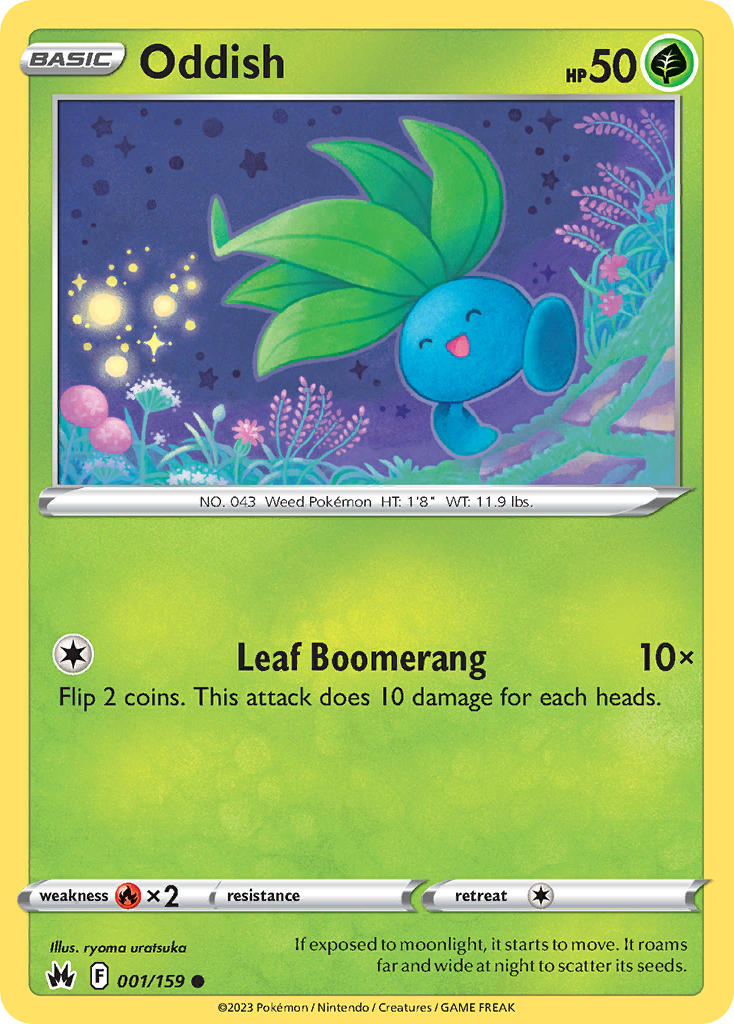
Crown Zenith
Example: Oddish #001/159, Common.
On this card layout, use the lower-left set mark or set code, collector number, and rarity dot. Do not confuse type or energy icons elsewhere on the card for the set identifier.
Set mark/codeMatch each marked zone against the set icon, stamp, and collector number before opening the exact card record.
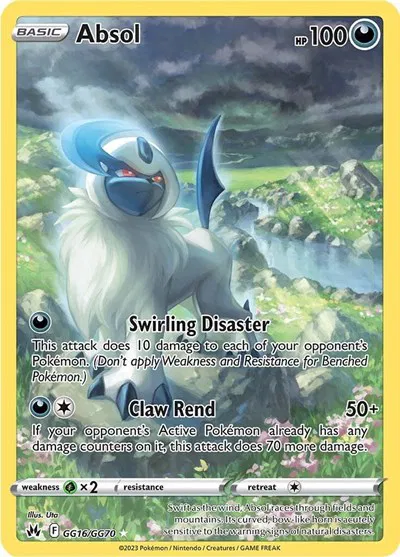
Crown Zenith: Galarian Gallery
Example: Absol #GG16/GG70, Holo Rare.
Trainer Gallery and Galarian Gallery cards use the lower-left TG/GG collector number and set code area. Match that gallery code before treating the card like the main-set slot.
Set mark/codeMatch each marked zone against the set icon, stamp, and collector number before opening the exact card record.
Sun & Moon
18 sets in this snapshot
Sun & Moon
18 sets in this snapshot
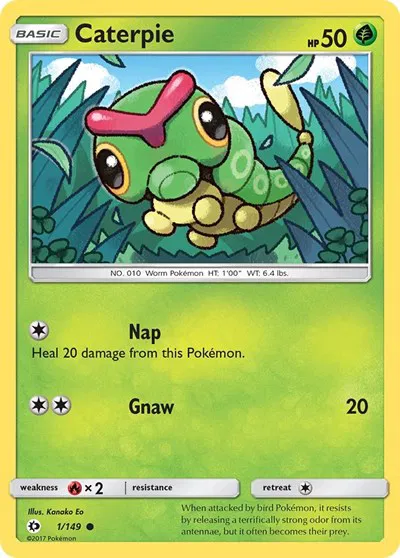
Sun & Moon Base Set
Example: Caterpie #1, Common.
On this card layout, use the lower-left set mark or set code, collector number, and rarity dot. Do not confuse type or energy icons elsewhere on the card for the set identifier.
Set mark/codeMatch each marked zone against the set icon, stamp, and collector number before opening the exact card record.
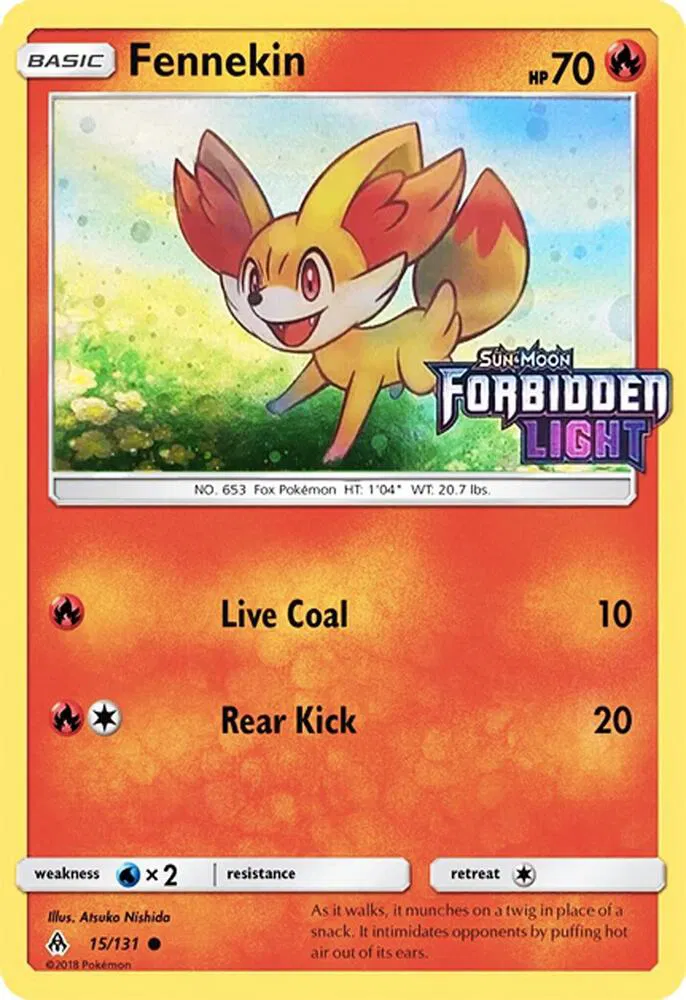
Sun & Moon Promo
Example: Fennekin - 15/131 (Toys R' Us Promo) #15/131, Promo.
This example is a stamped product or distribution card. Use the visible stamp first, then lock the identity with the card number and card-number area.
source set stampPromo codeMatch each marked zone against the set icon, stamp, and collector number before opening the exact card record.
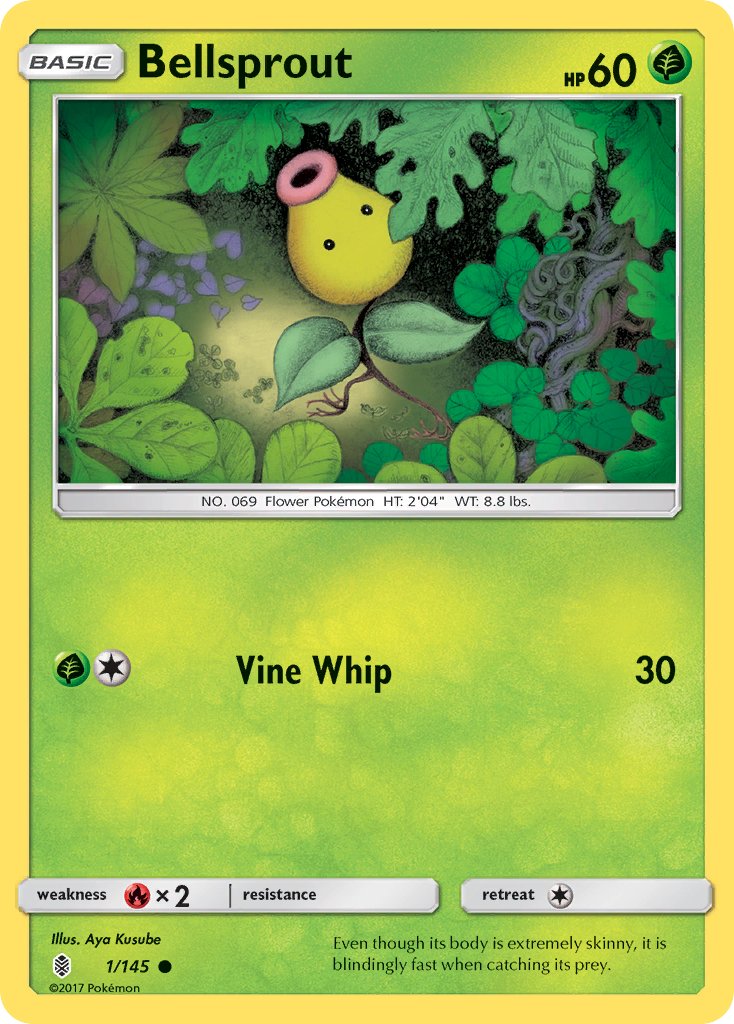
Guardians Rising
Example: Bellsprout #1/145, Common.
On this card layout, use the lower-left set mark or set code, collector number, and rarity dot. Do not confuse type or energy icons elsewhere on the card for the set identifier.
Set mark/codeMatch each marked zone against the set icon, stamp, and collector number before opening the exact card record.
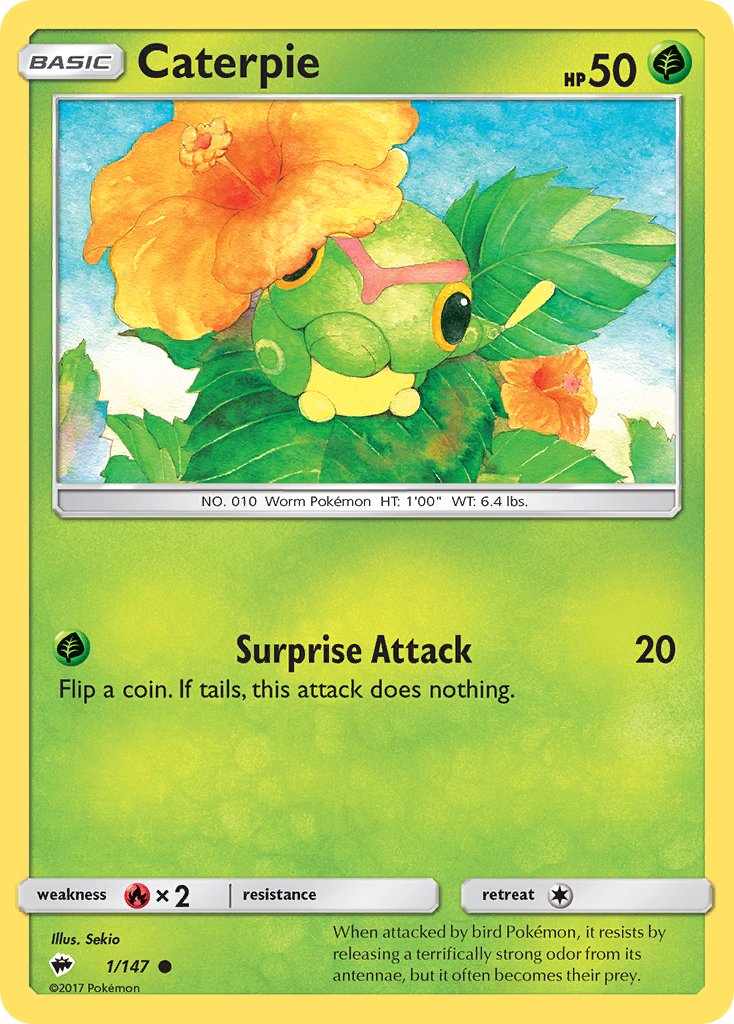
Burning Shadows
Example: Caterpie #1/147, Common.
On this card layout, use the lower-left set mark or set code, collector number, and rarity dot. Do not confuse type or energy icons elsewhere on the card for the set identifier.
Set mark/codeMatch each marked zone against the set icon, stamp, and collector number before opening the exact card record.
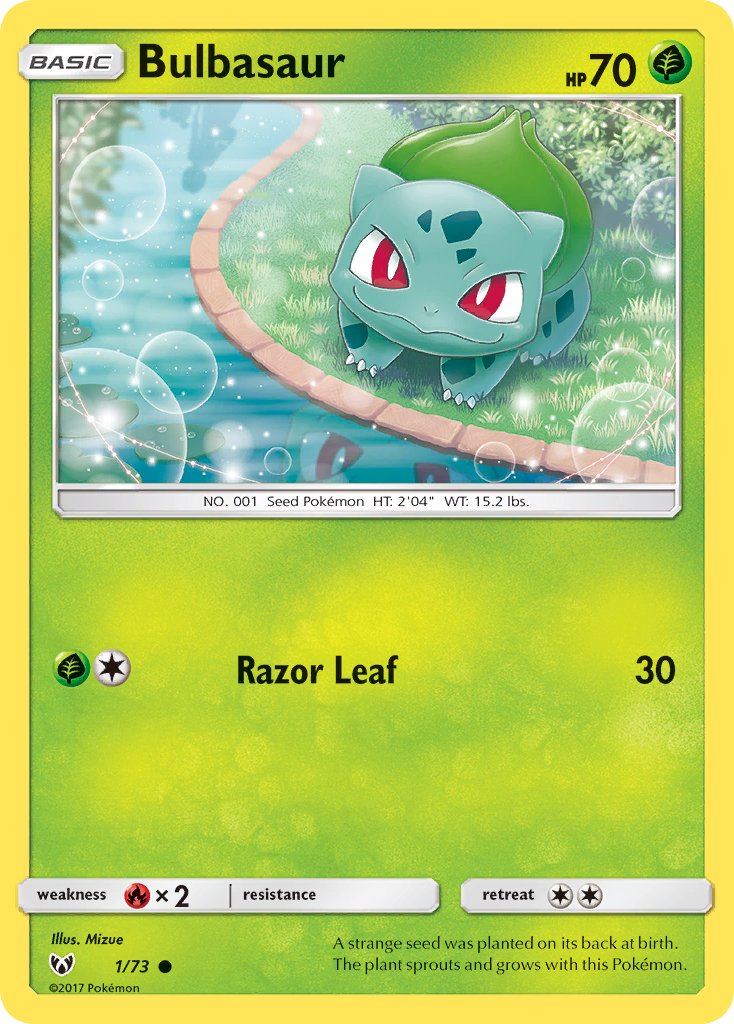
Shining Legends
Example: Bulbasaur #1, Common.
On this card layout, use the lower-left set mark or set code, collector number, and rarity dot. Do not confuse type or energy icons elsewhere on the card for the set identifier.
Set mark/codeMatch each marked zone against the set icon, stamp, and collector number before opening the exact card record.
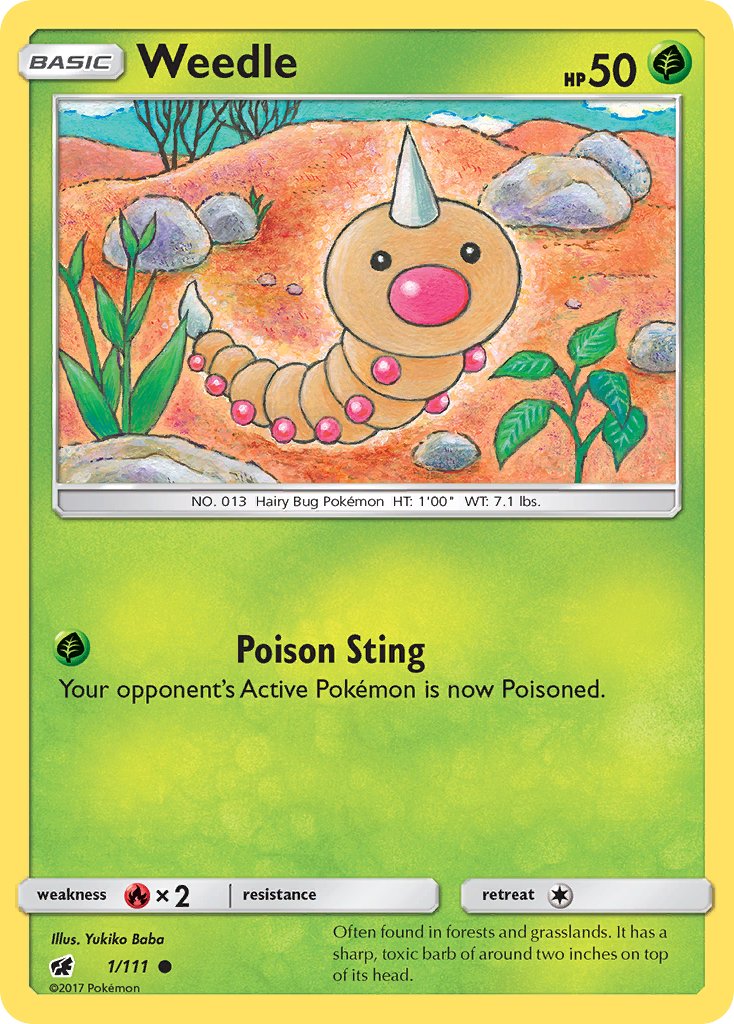
Crimson Invasion
Example: Weedle #1/111, Common.
On this card layout, use the lower-left set mark or set code, collector number, and rarity dot. Do not confuse type or energy icons elsewhere on the card for the set identifier.
Set mark/codeMatch each marked zone against the set icon, stamp, and collector number before opening the exact card record.
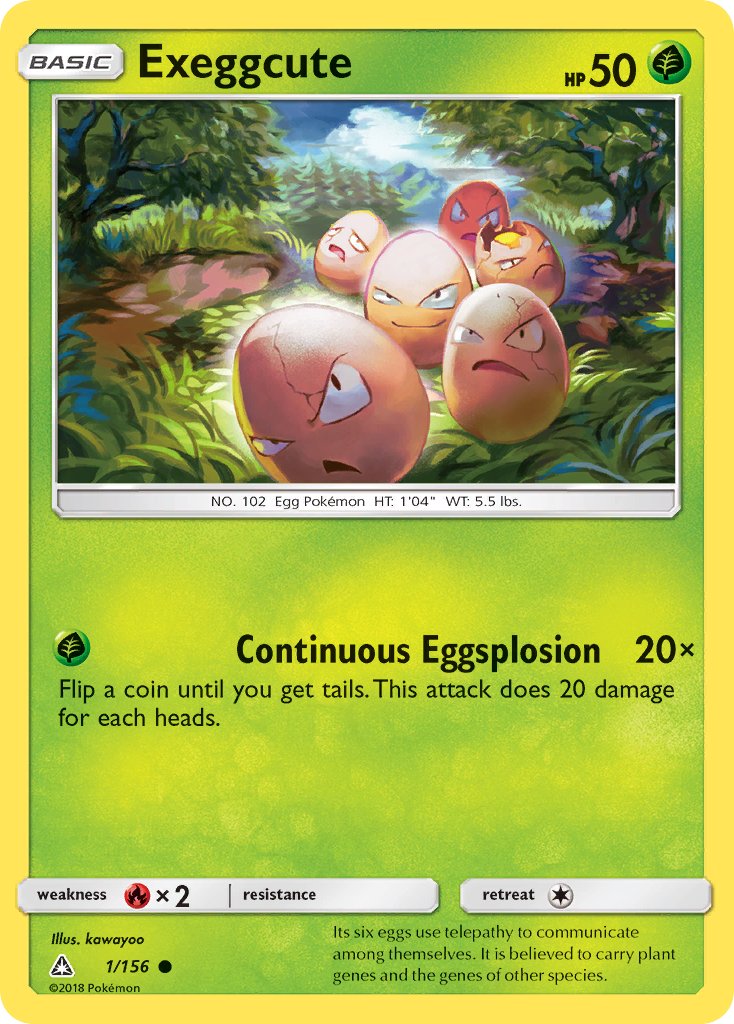
Ultra Prism
Example: Exeggcute #1/156, Common.
On this card layout, use the lower-left set mark or set code, collector number, and rarity dot. Do not confuse type or energy icons elsewhere on the card for the set identifier.
Set mark/codeMatch each marked zone against the set icon, stamp, and collector number before opening the exact card record.
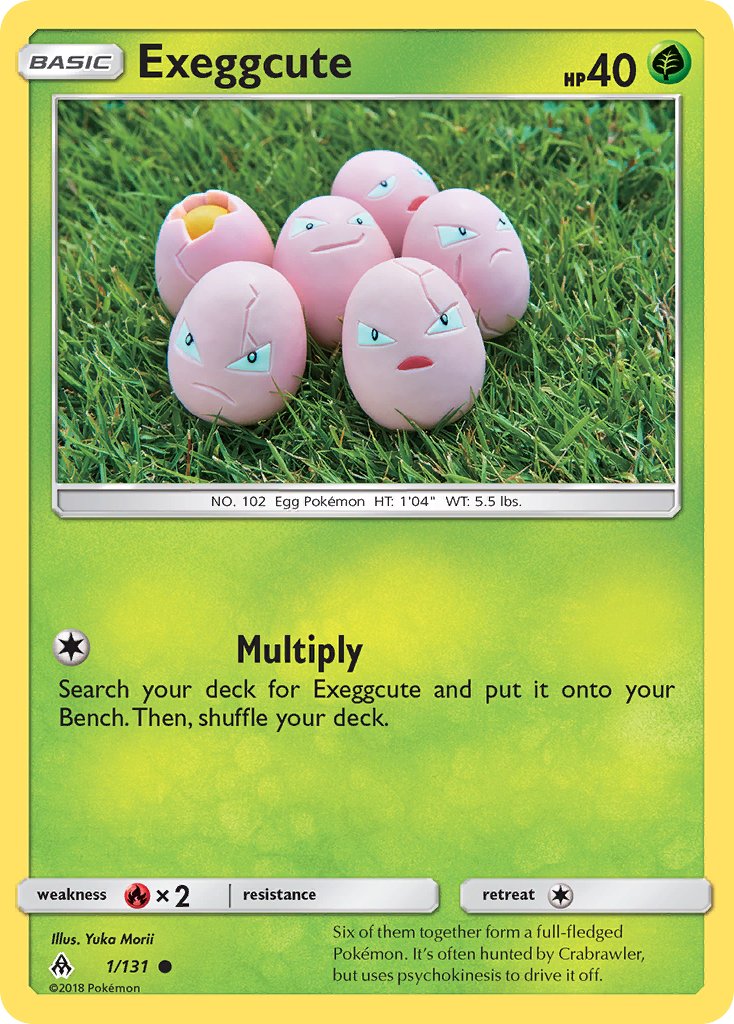
Forbidden Light
Example: Exeggcute #1, Common.
On this card layout, use the lower-left set mark or set code, collector number, and rarity dot. Do not confuse type or energy icons elsewhere on the card for the set identifier.
Set mark/codeMatch each marked zone against the set icon, stamp, and collector number before opening the exact card record.
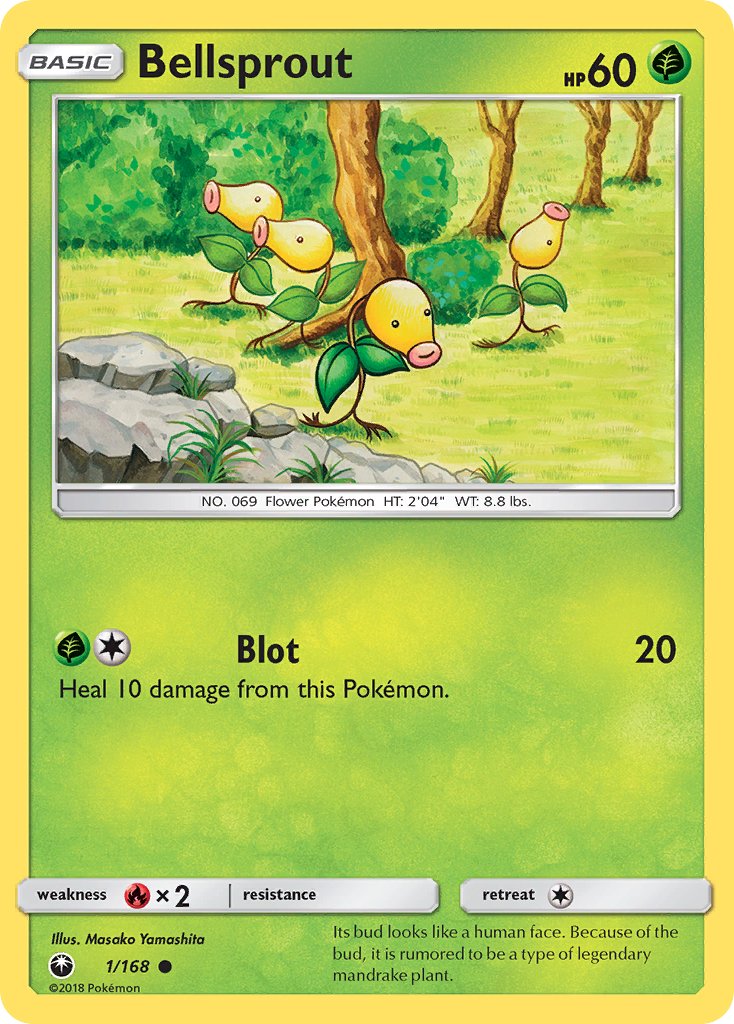
Celestial Storm
Example: Bellsprout #1, Common.
On this card layout, use the lower-left set mark or set code, collector number, and rarity dot. Do not confuse type or energy icons elsewhere on the card for the set identifier.
Set mark/codeMatch each marked zone against the set icon, stamp, and collector number before opening the exact card record.
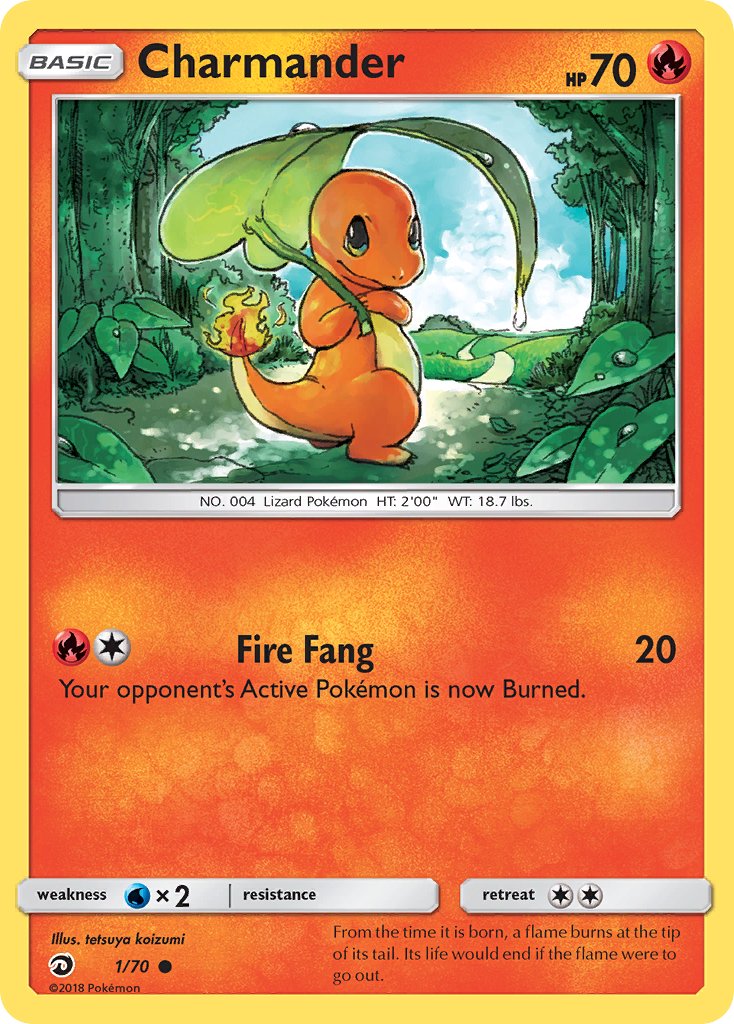
Dragon Majesty
Example: Charmander #1, Common.
On this card layout, use the lower-left set mark or set code, collector number, and rarity dot. Do not confuse type or energy icons elsewhere on the card for the set identifier.
Set mark/codeMatch each marked zone against the set icon, stamp, and collector number before opening the exact card record.
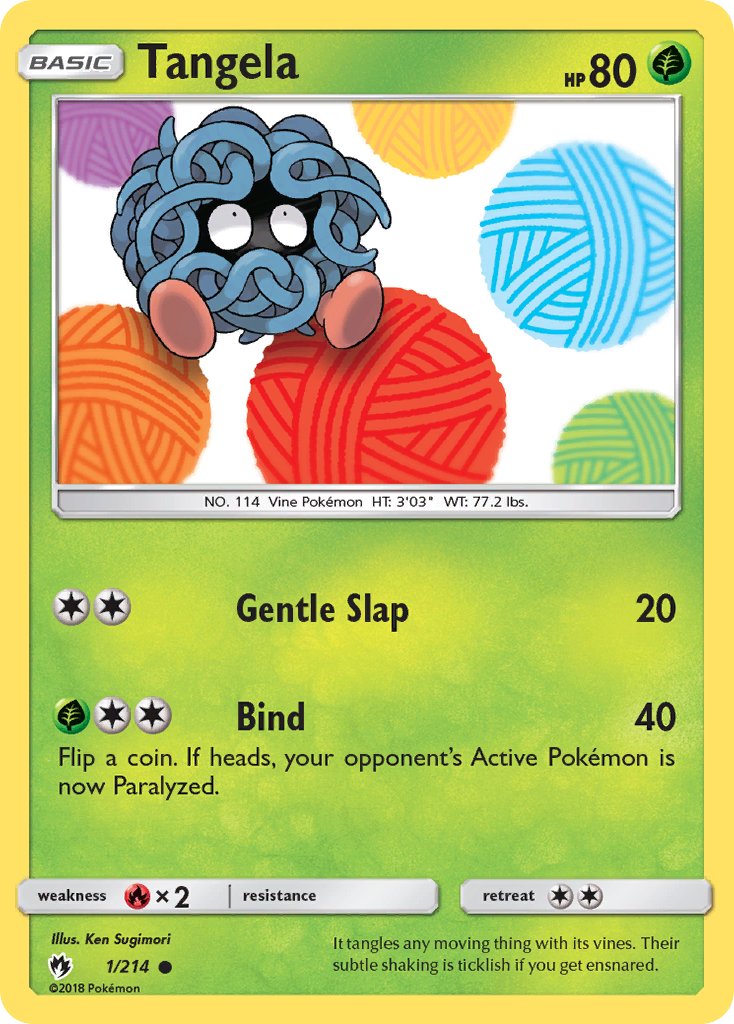
Lost Thunder
Example: Tangela #1, Common.
On this card layout, use the lower-left set mark or set code, collector number, and rarity dot. Do not confuse type or energy icons elsewhere on the card for the set identifier.
Set mark/codeMatch each marked zone against the set icon, stamp, and collector number before opening the exact card record.
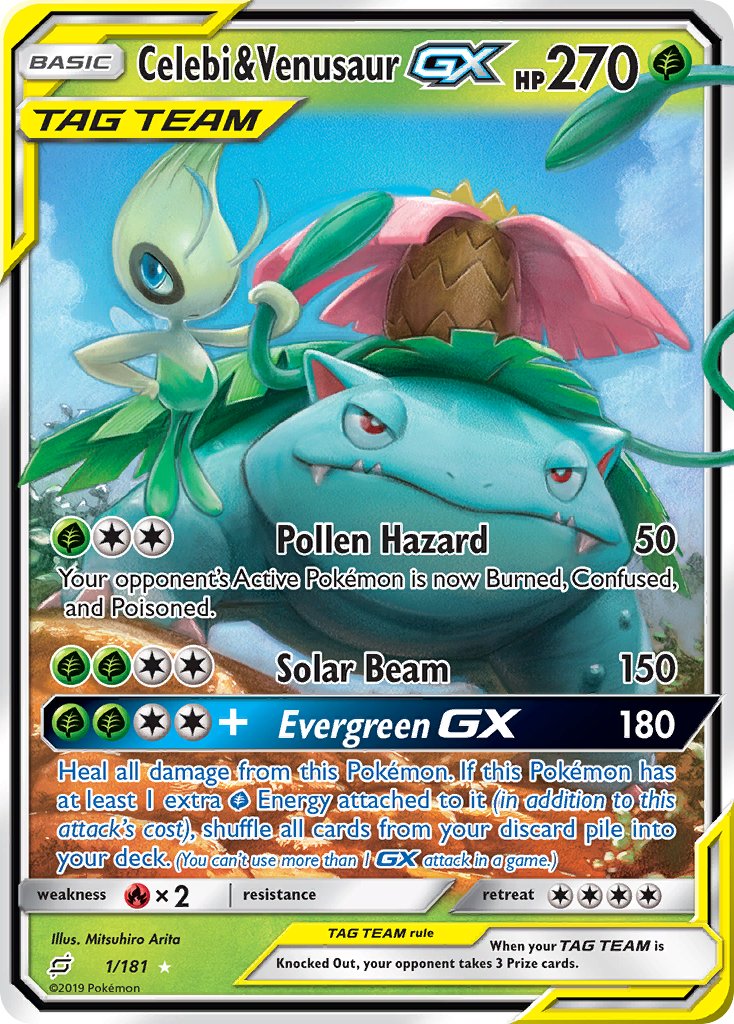
Team Up
Example: Celebi & Venusaur GX #1, Ultra Rare.
On this card layout, use the lower-left set mark or set code, collector number, and rarity dot. Do not confuse type or energy icons elsewhere on the card for the set identifier.
Set mark/codeMatch each marked zone against the set icon, stamp, and collector number before opening the exact card record.
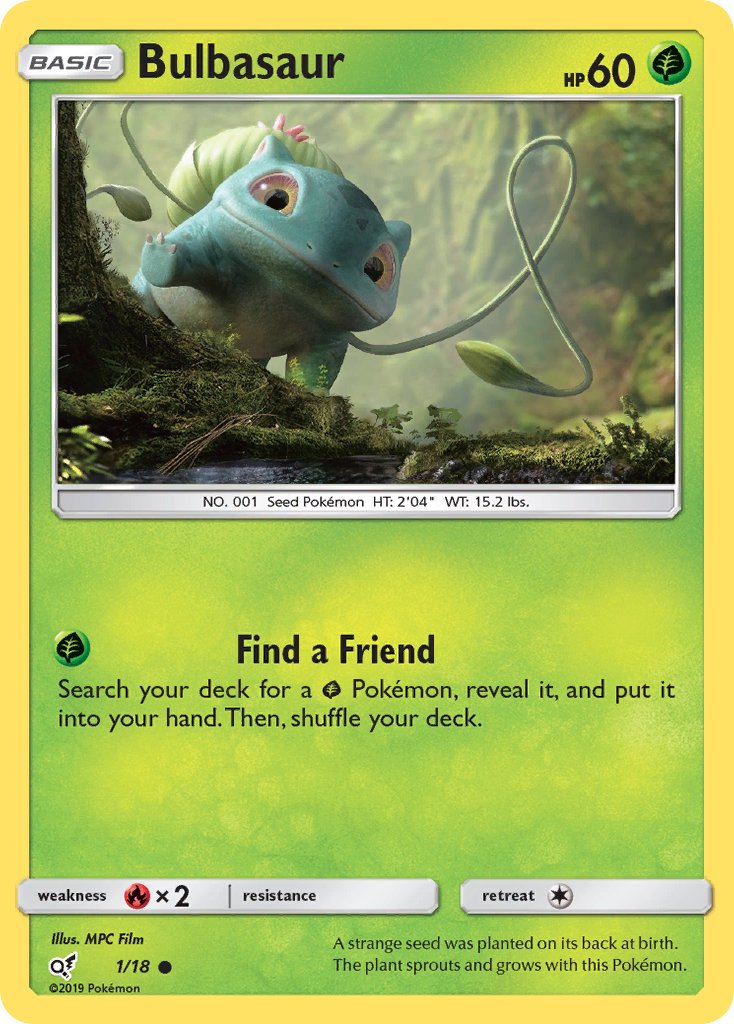
Detective Pikachu
Example: Bulbasaur (Holo Common) #1, Common.
On this card layout, use the lower-left set mark or set code, collector number, and rarity dot. Do not confuse type or energy icons elsewhere on the card for the set identifier.
Set mark/codeMatch each marked zone against the set icon, stamp, and collector number before opening the exact card record.
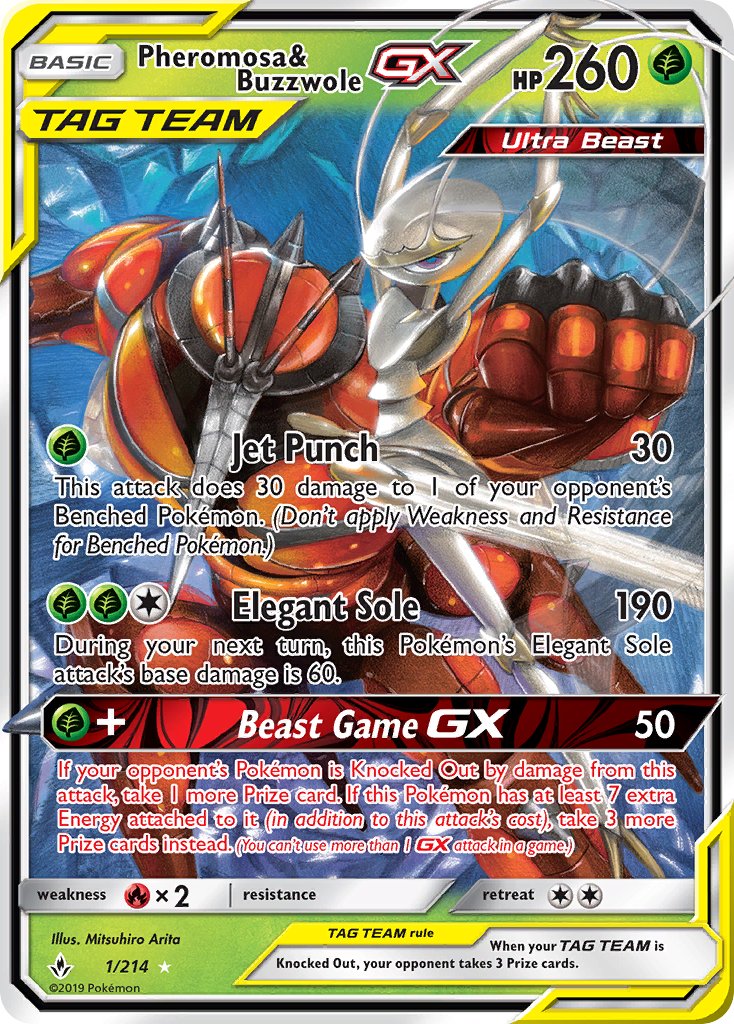
Unbroken Bonds
Example: Pheromosa & Buzzwole GX #1, Ultra Rare.
On this card layout, use the lower-left set mark or set code, collector number, and rarity dot. Do not confuse type or energy icons elsewhere on the card for the set identifier.
Set mark/codeMatch each marked zone against the set icon, stamp, and collector number before opening the exact card record.
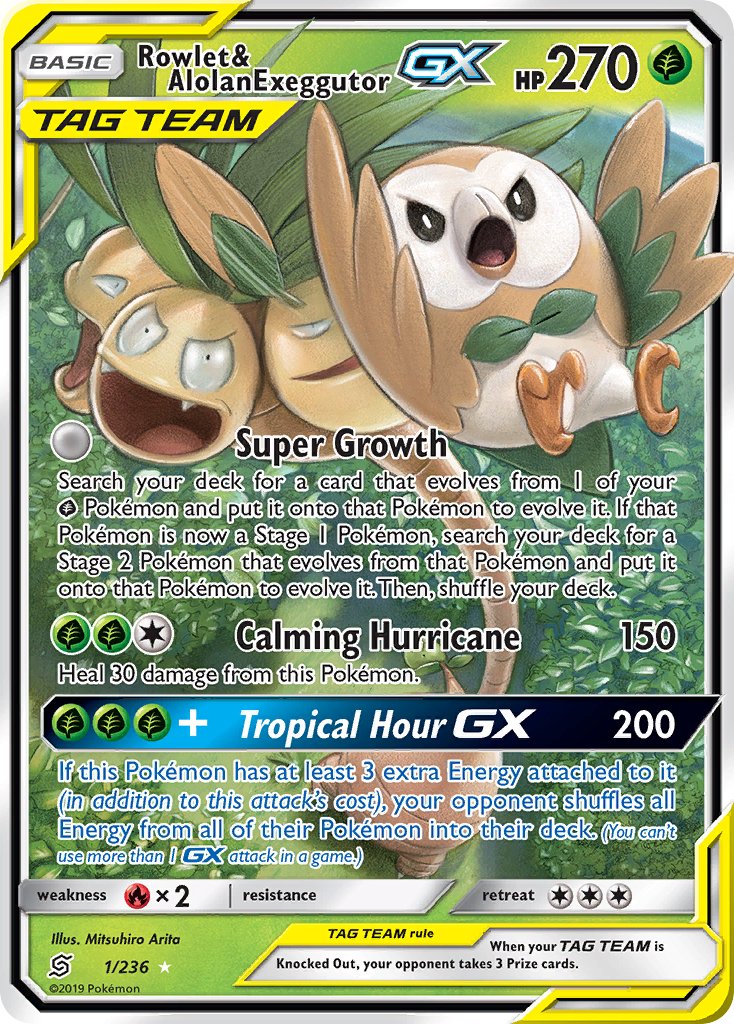
Unified Minds
Example: Rowlet & Alolan Exeggutor GX #1/236, Ultra Rare.
On this card layout, use the lower-left set mark or set code, collector number, and rarity dot. Do not confuse type or energy icons elsewhere on the card for the set identifier.
Set mark/codeMatch each marked zone against the set icon, stamp, and collector number before opening the exact card record.
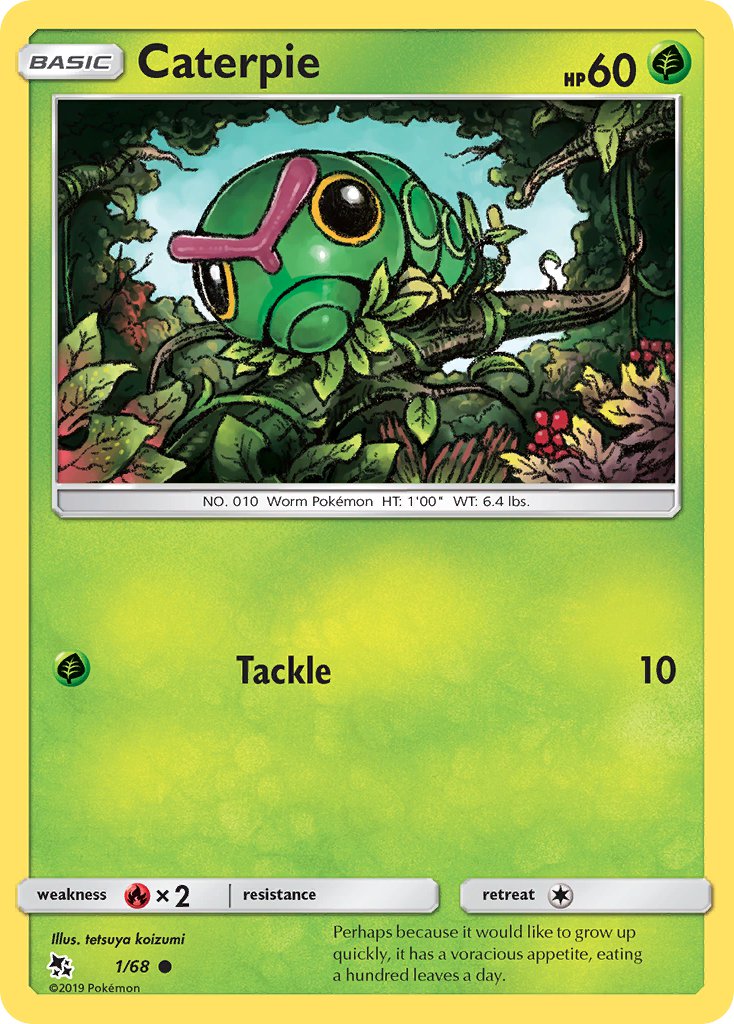
Hidden Fates
Example: Caterpie #1/68, Common.
On this card layout, use the lower-left set mark or set code, collector number, and rarity dot. Do not confuse type or energy icons elsewhere on the card for the set identifier.
Set mark/codeMatch each marked zone against the set icon, stamp, and collector number before opening the exact card record.
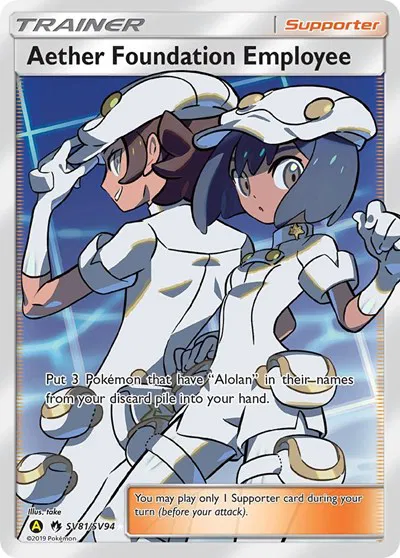
Hidden Fates: Shiny Vault
Example: Aether Foundation Employee #SV81/SV94, Shiny Holo Rare.
On this card layout, use the lower-left set mark or set code, collector number, and rarity dot. Do not confuse type or energy icons elsewhere on the card for the set identifier.
Set mark/codeMatch each marked zone against the set icon, stamp, and collector number before opening the exact card record.
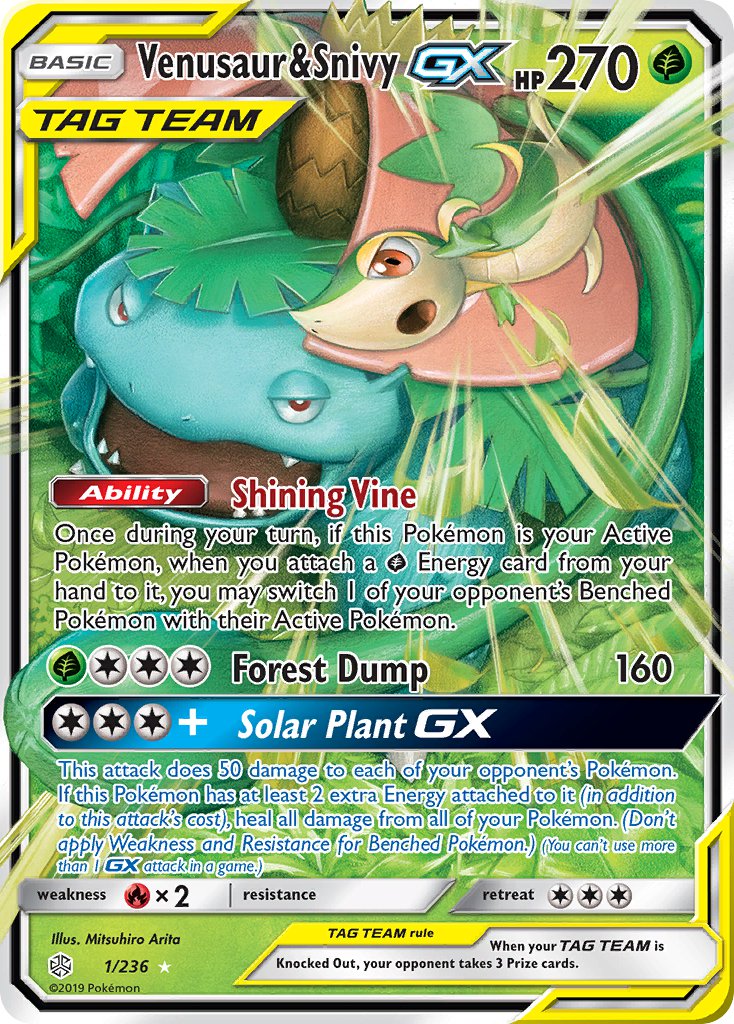
Cosmic Eclipse
Example: Venusaur & Snivy GX #1/236, Ultra Rare.
On this card layout, use the lower-left set mark or set code, collector number, and rarity dot. Do not confuse type or energy icons elsewhere on the card for the set identifier.
Set mark/codeMatch each marked zone against the set icon, stamp, and collector number before opening the exact card record.
XY
17 sets in this snapshot
XY
17 sets in this snapshot
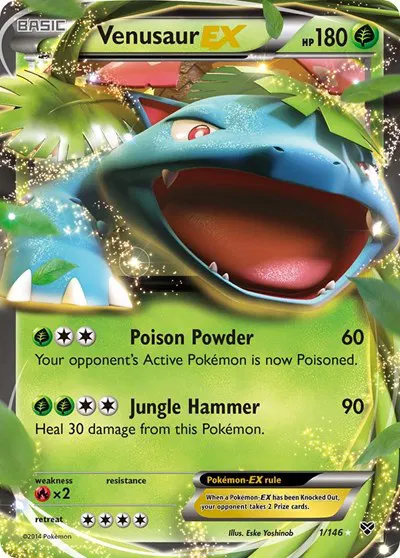
XY Base Set
Example: Venusaur EX #1, Ultra Rare.
On this era, the expansion mark and collector number sit near the lower-right card identity line. Match that mark and number before using a price page.
Set mark/numberMatch each marked zone against the set icon, stamp, and collector number before opening the exact card record.
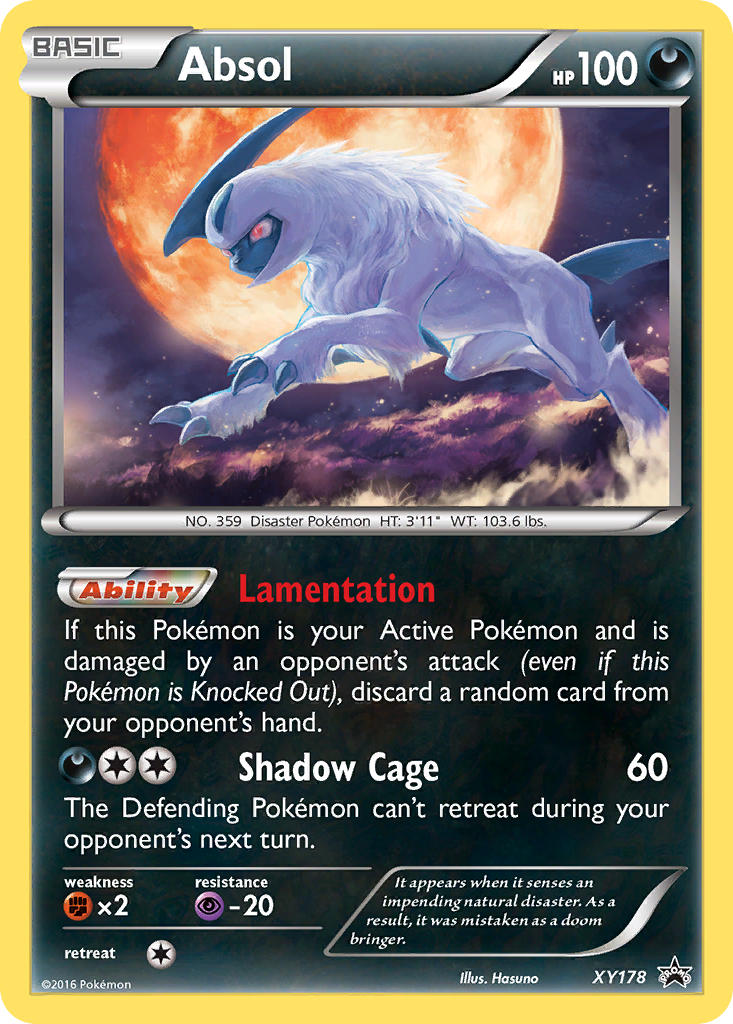
XY Promos
Example: Absol #XY178, Promo.
On this promo-era layout, the promo mark or expansion mark and number sit near the lower-right identity line. Confirm any stamped product source separately.
Promo mark/numberMatch each marked zone against the set icon, stamp, and collector number before opening the exact card record.
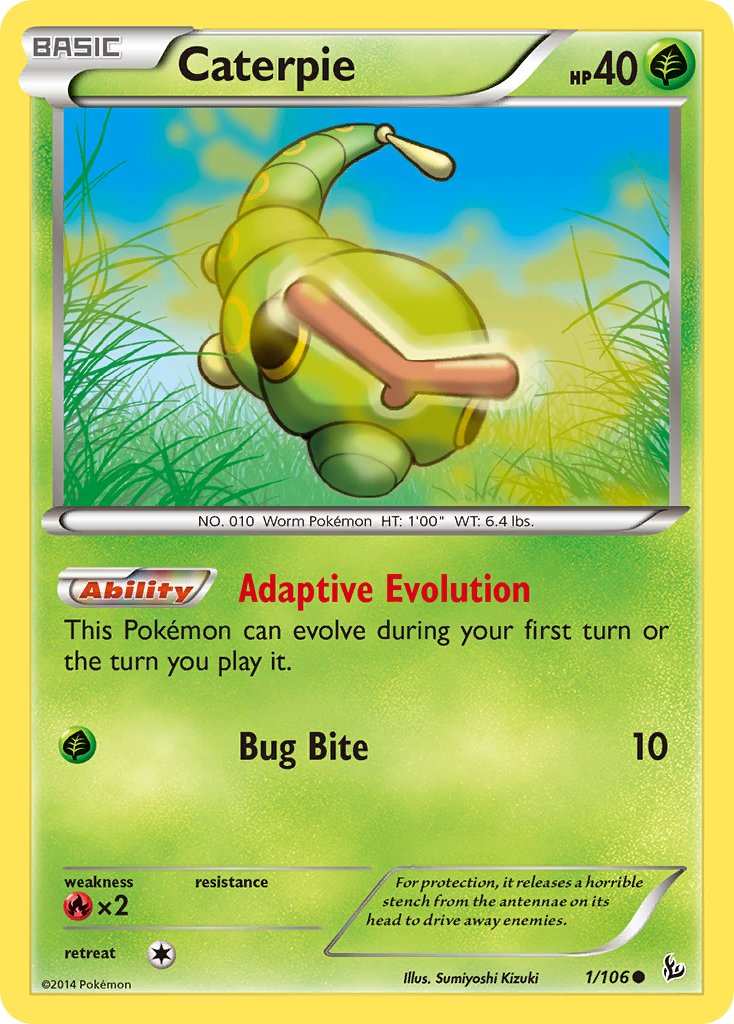
Flashfire
Example: Caterpie #1, Common.
On this era, the expansion mark and collector number sit near the lower-right card identity line. Match that mark and number before using a price page.
Set mark/numberMatch each marked zone against the set icon, stamp, and collector number before opening the exact card record.
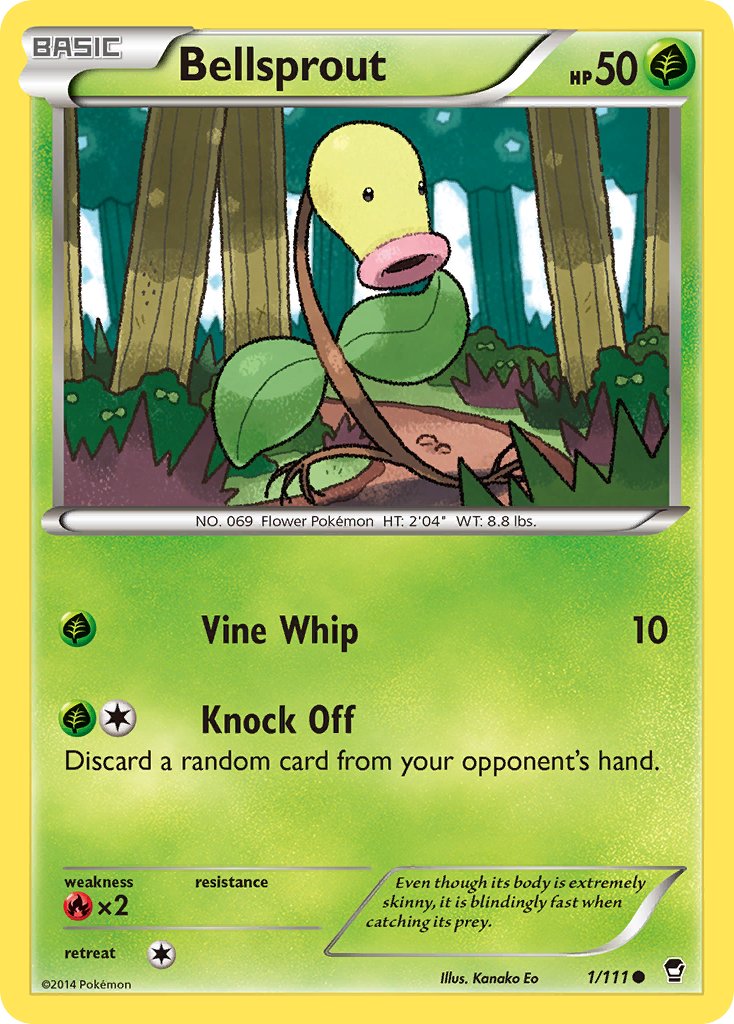
Furious Fists
Example: Bellsprout #1, Common.
On this era, the expansion mark and collector number sit near the lower-right card identity line. Match that mark and number before using a price page.
Set mark/numberMatch each marked zone against the set icon, stamp, and collector number before opening the exact card record.
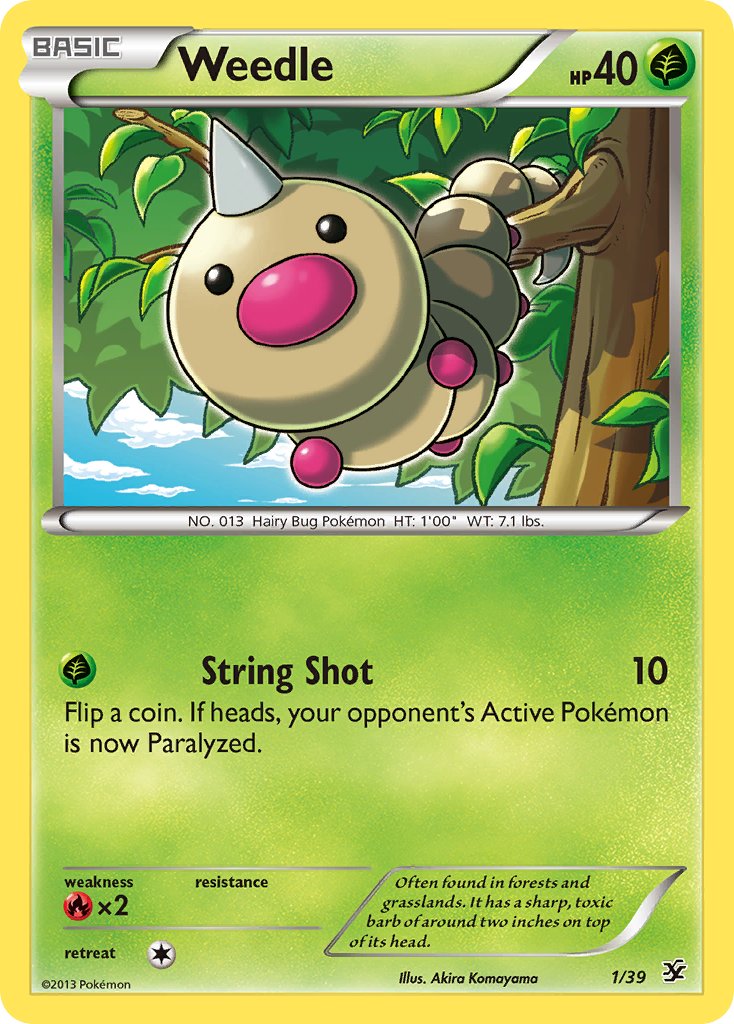
Kalos Starter Set
Example: Weedle #1, Common.
On this era, the expansion mark and collector number sit near the lower-right card identity line. Match that mark and number before using a price page.
Set mark/numberMatch each marked zone against the set icon, stamp, and collector number before opening the exact card record.
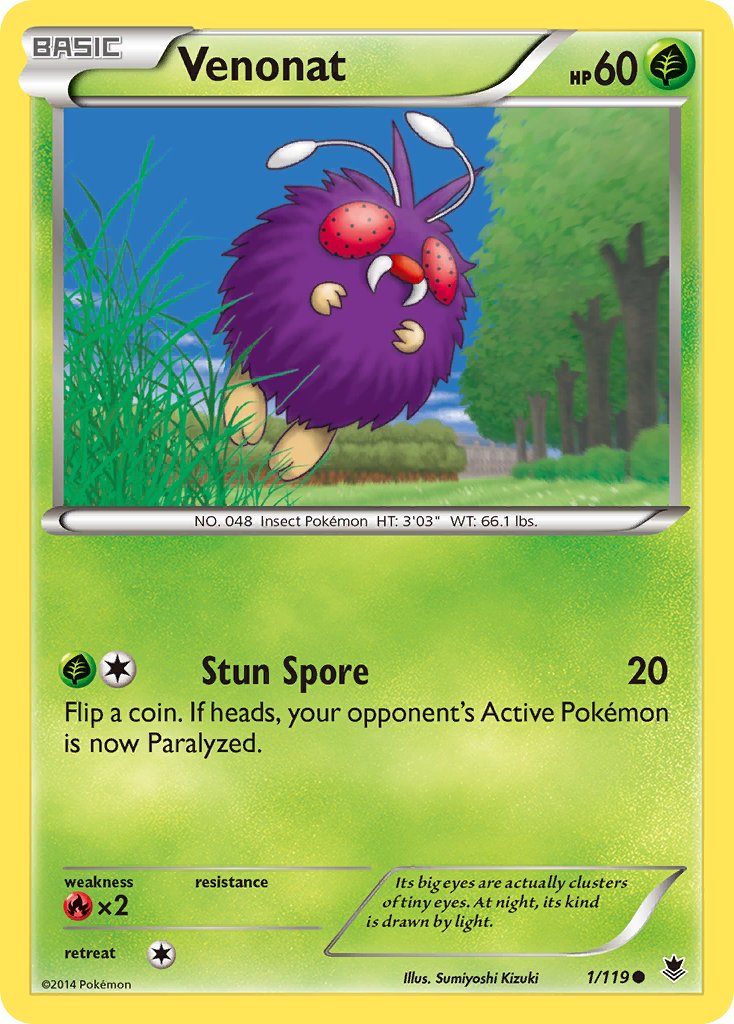
Phantom Forces
Example: Venonat #1, Common.
On this era, the expansion mark and collector number sit near the lower-right card identity line. Match that mark and number before using a price page.
Set mark/numberMatch each marked zone against the set icon, stamp, and collector number before opening the exact card record.
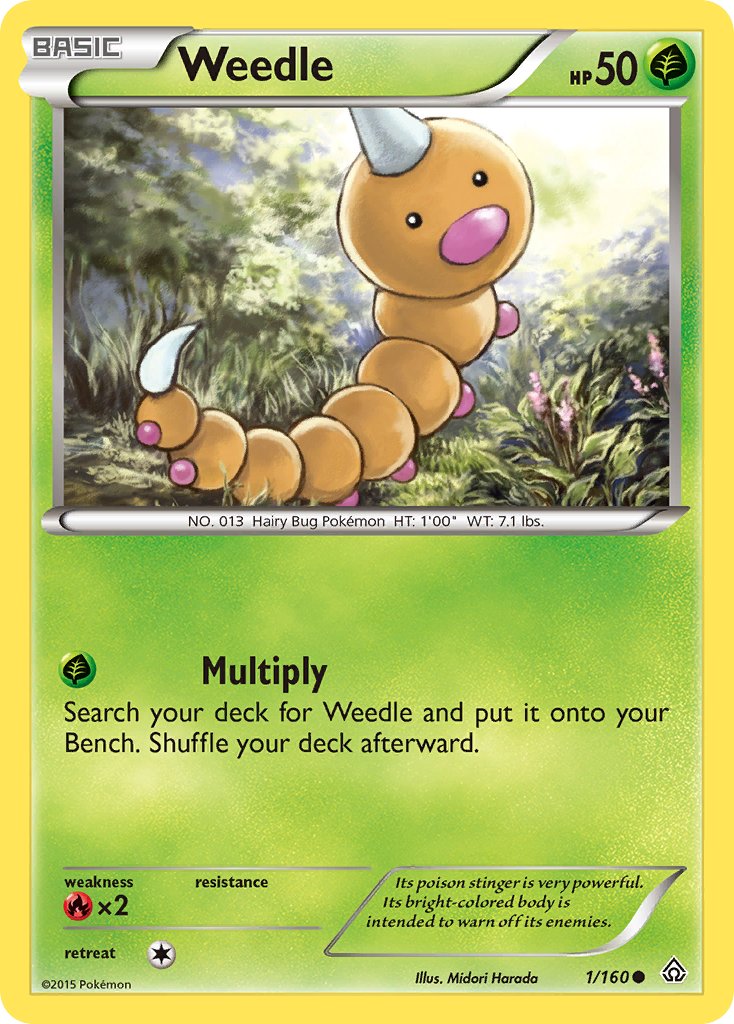
Primal Clash
Example: Weedle #1, Common.
On this era, the expansion mark and collector number sit near the lower-right card identity line. Match that mark and number before using a price page.
Set mark/numberMatch each marked zone against the set icon, stamp, and collector number before opening the exact card record.
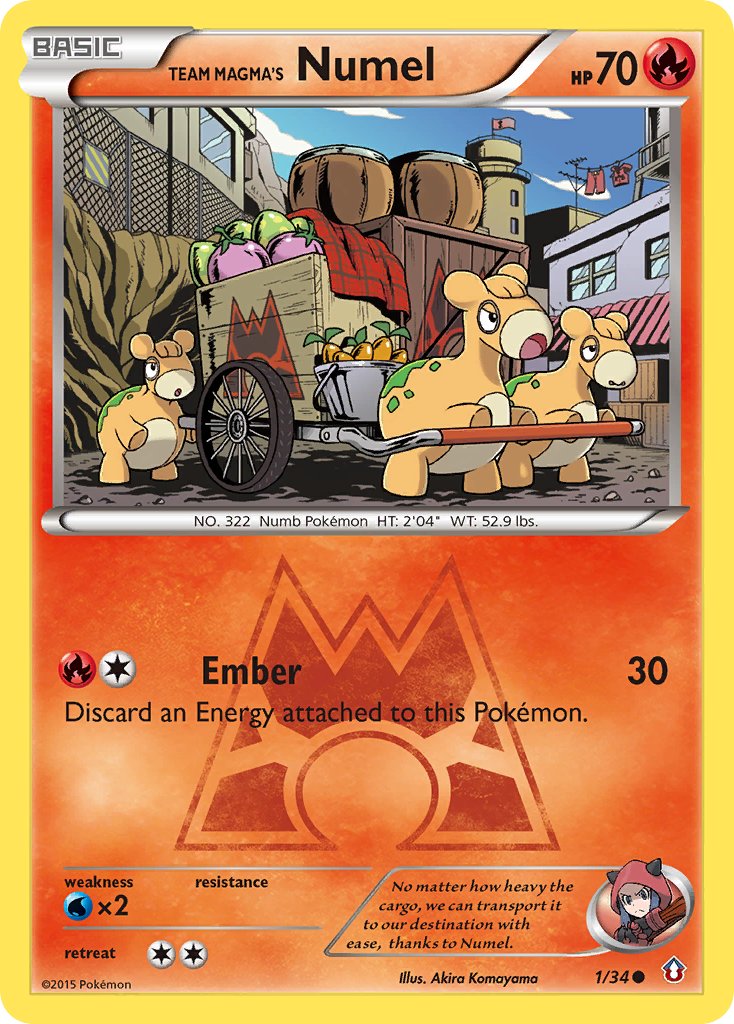
Double Crisis
Example: Team Magma's Numel #1, Common.
On this era, the expansion mark and collector number sit near the lower-right card identity line. Match that mark and number before using a price page.
Set mark/numberMatch each marked zone against the set icon, stamp, and collector number before opening the exact card record.
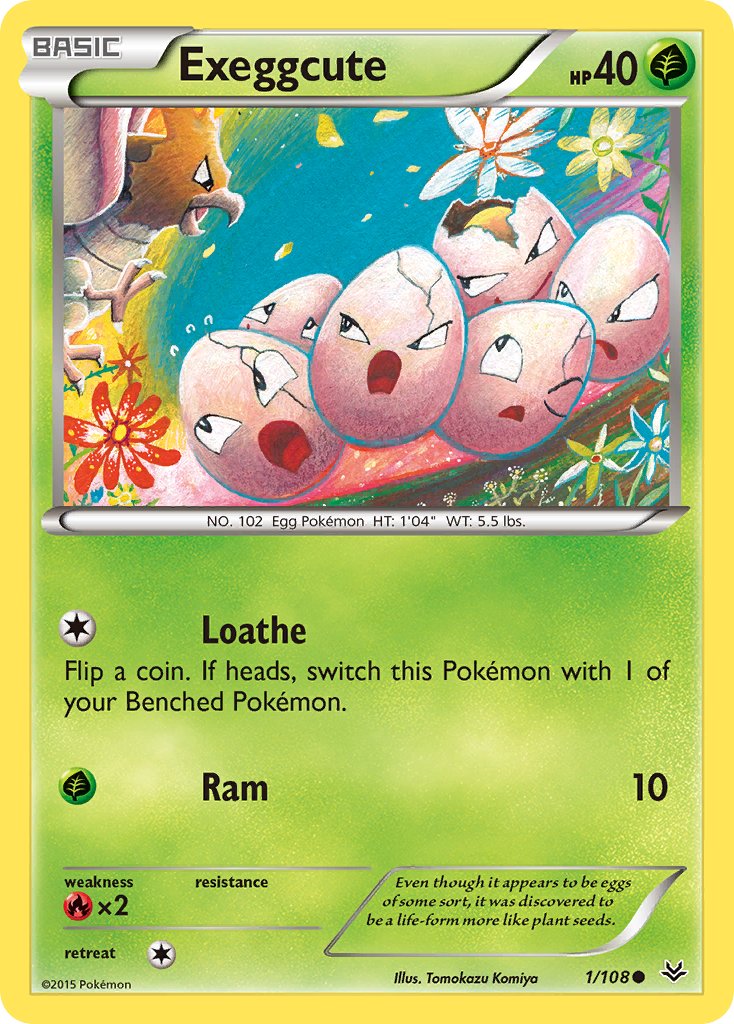
Roaring Skies
Example: Exeggcute #1, Common.
On this era, the expansion mark and collector number sit near the lower-right card identity line. Match that mark and number before using a price page.
Set mark/numberMatch each marked zone against the set icon, stamp, and collector number before opening the exact card record.
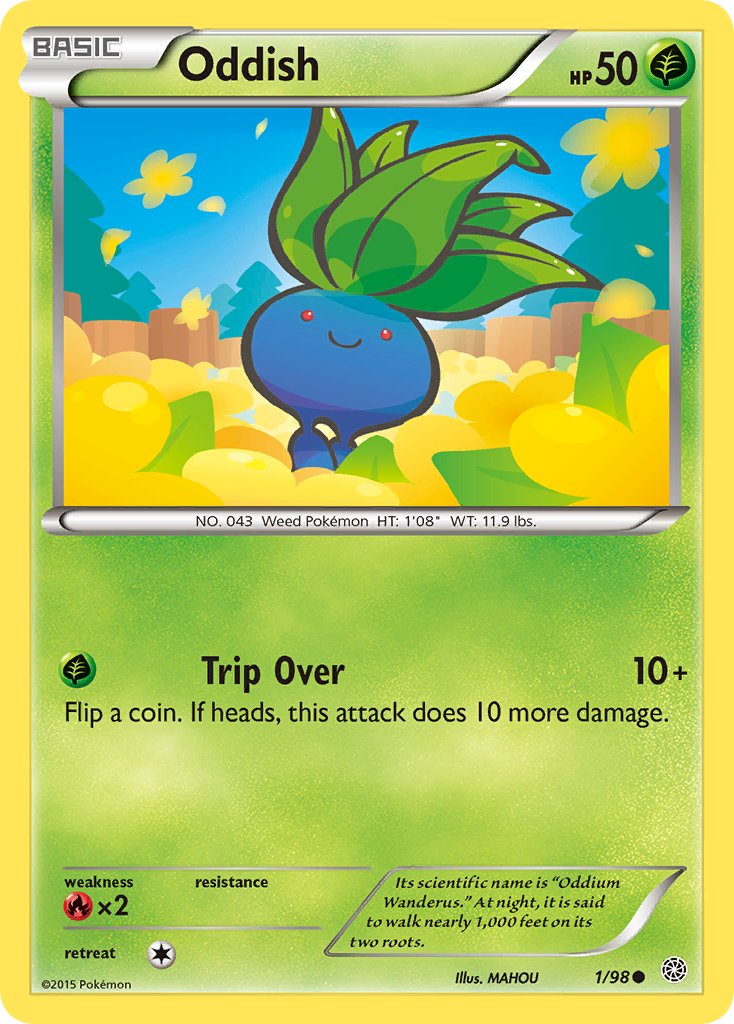
Ancient Origins
Example: Oddish #1, Common.
On this era, the expansion mark and collector number sit near the lower-right card identity line. Match that mark and number before using a price page.
Set mark/numberMatch each marked zone against the set icon, stamp, and collector number before opening the exact card record.
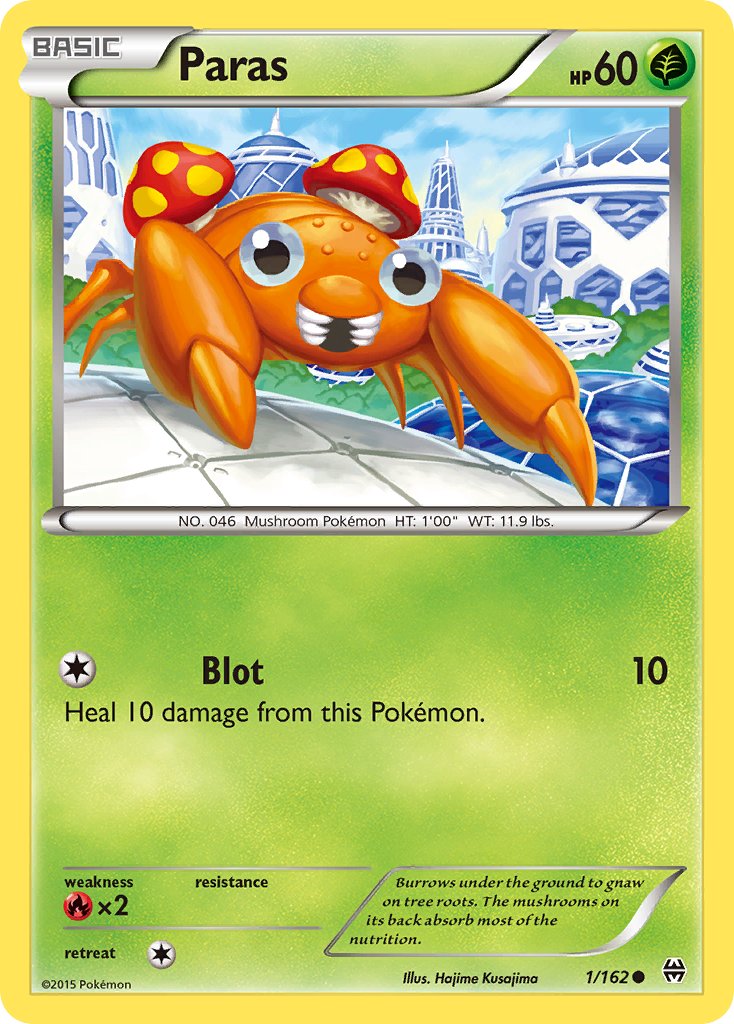
BREAKthrough
Example: Paras #1, Common.
On this era, the expansion mark and collector number sit near the lower-right card identity line. Match that mark and number before using a price page.
Set mark/numberMatch each marked zone against the set icon, stamp, and collector number before opening the exact card record.
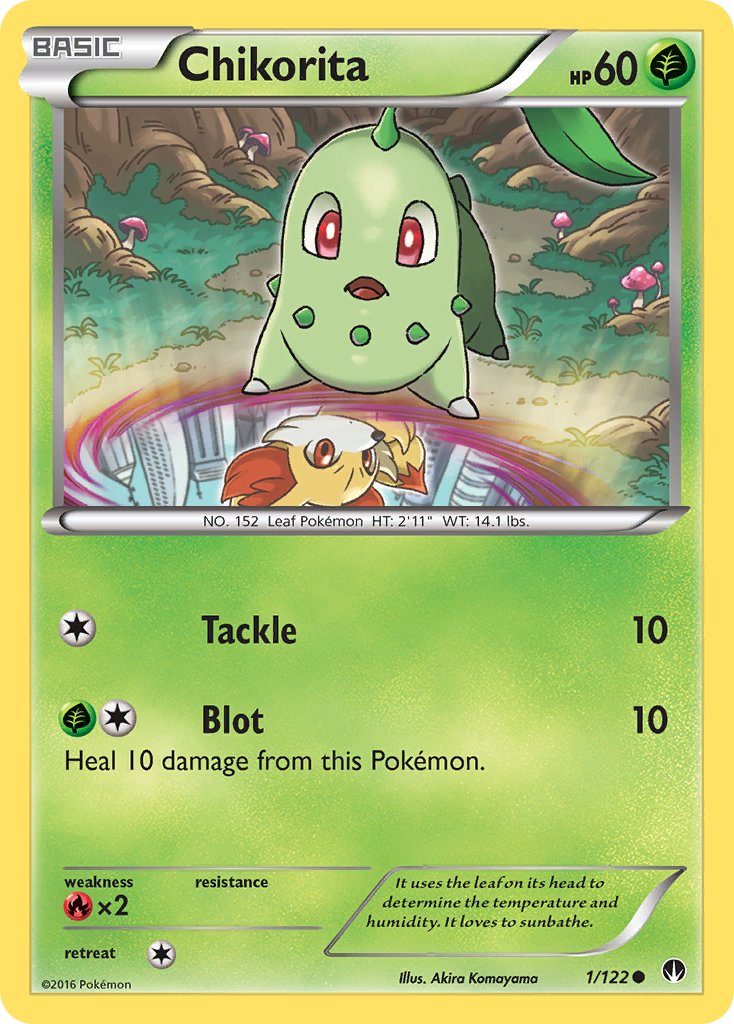
BREAKpoint
Example: Chikorita #1, Common.
On this era, the expansion mark and collector number sit near the lower-right card identity line. Match that mark and number before using a price page.
Set mark/numberMatch each marked zone against the set icon, stamp, and collector number before opening the exact card record.
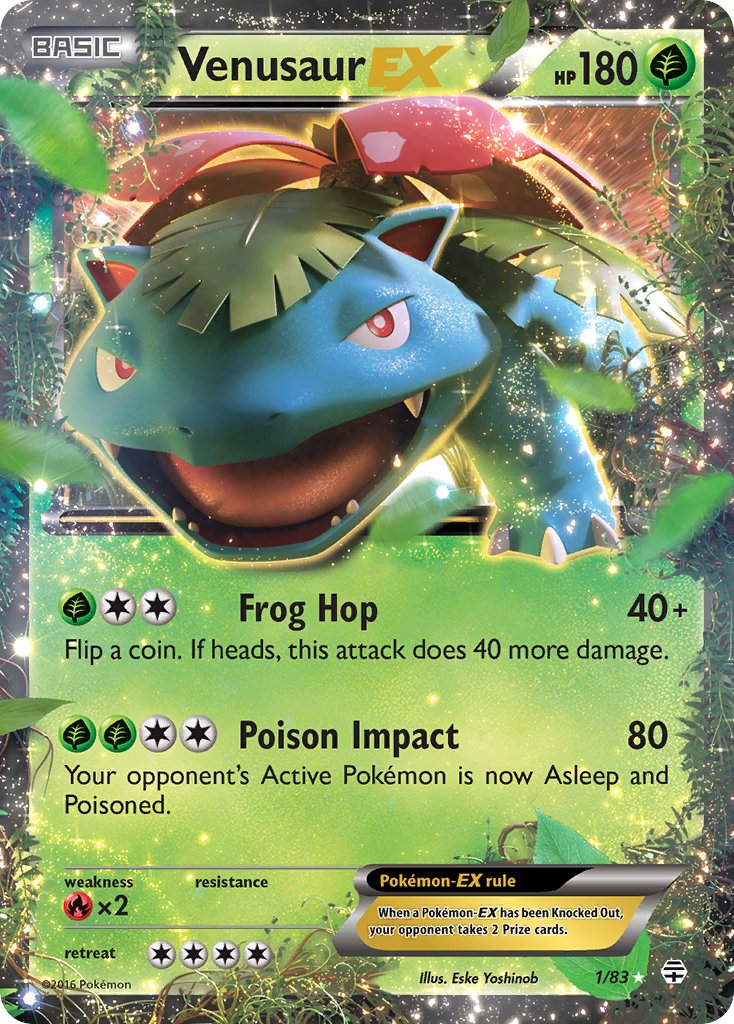
Generations
Example: Venusaur EX #1, Ultra Rare.
On this era, the expansion mark and collector number sit near the lower-right card identity line. Match that mark and number before using a price page.
Set mark/numberMatch each marked zone against the set icon, stamp, and collector number before opening the exact card record.
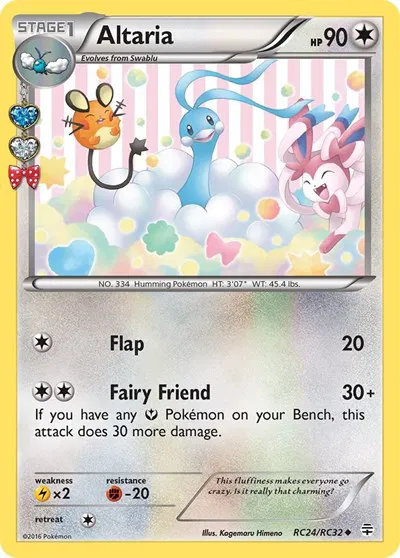
Generations: Radiant Collection
Example: Altaria #RC24, Uncommon.
On this era, the expansion mark and collector number sit near the lower-right card identity line. Match that mark and number before using a price page.
Set mark/numberMatch each marked zone against the set icon, stamp, and collector number before opening the exact card record.
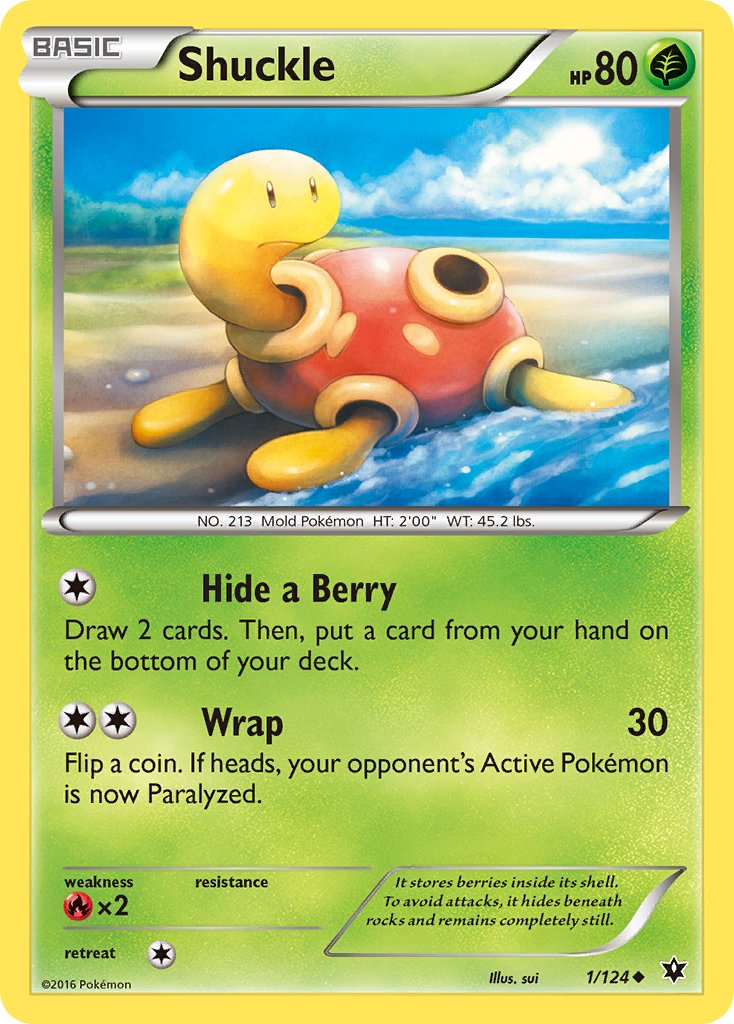
Fates Collide
Example: Shuckle #1, Uncommon.
On this era, the expansion mark and collector number sit near the lower-right card identity line. Match that mark and number before using a price page.
Set mark/numberMatch each marked zone against the set icon, stamp, and collector number before opening the exact card record.
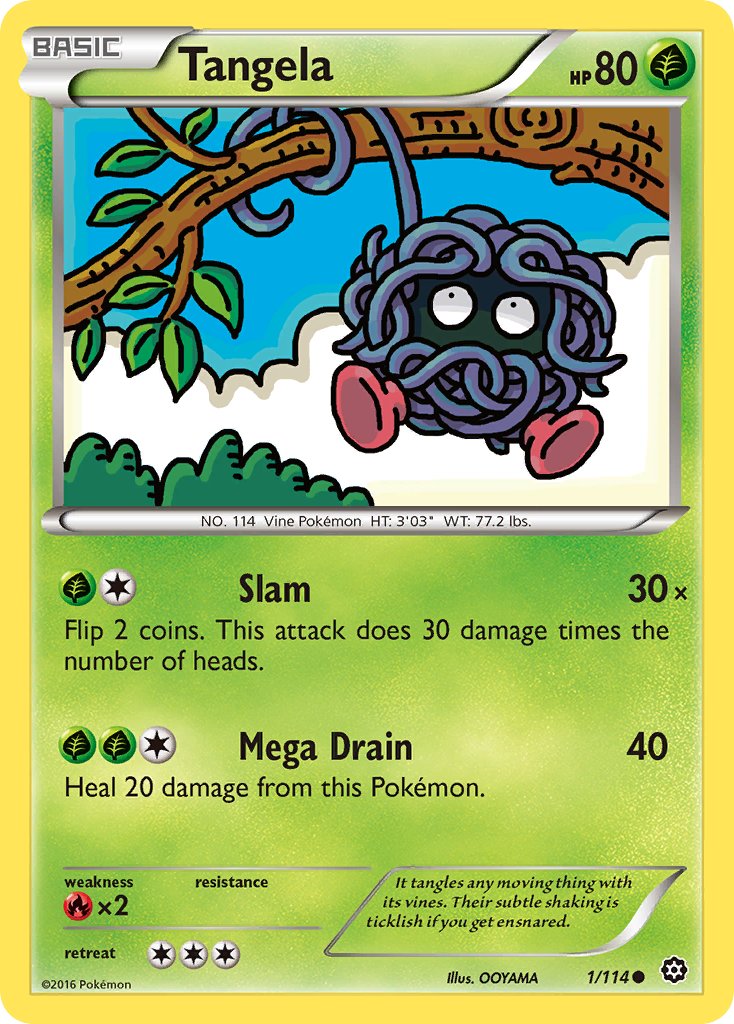
Steam Siege
Example: Tangela #1, Common.
On this era, the expansion mark and collector number sit near the lower-right card identity line. Match that mark and number before using a price page.
Set mark/numberMatch each marked zone against the set icon, stamp, and collector number before opening the exact card record.
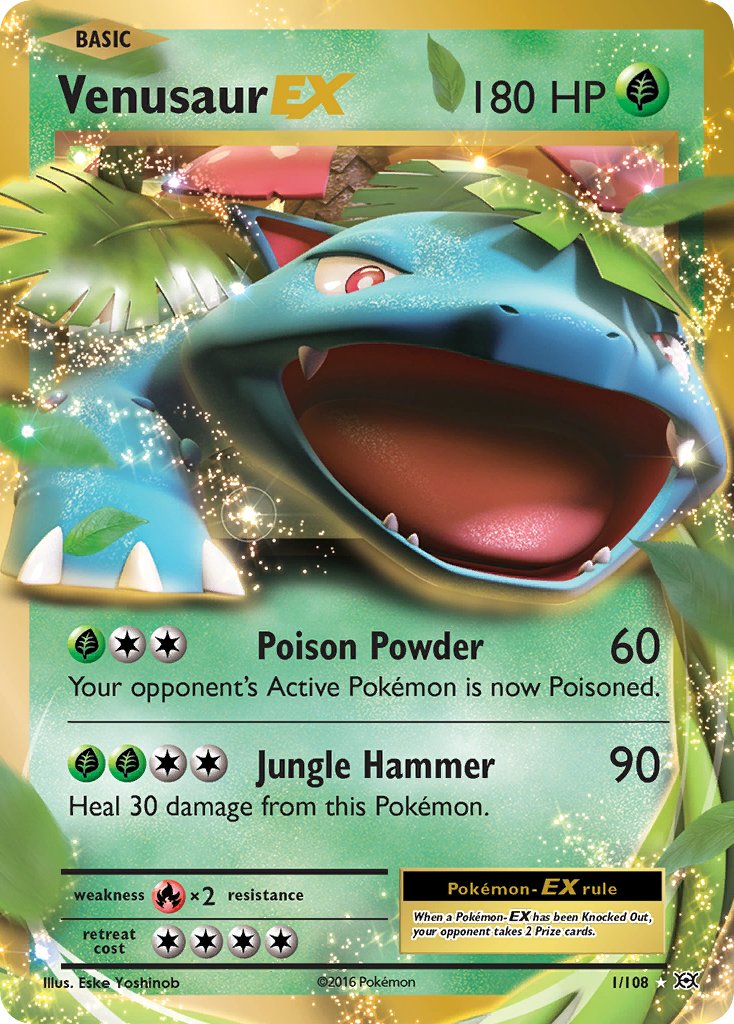
Evolutions
Example: Venusaur EX #1/108, Ultra Rare.
On this era, the expansion mark and collector number sit near the lower-right card identity line. Match that mark and number before using a price page.
Set mark/numberMatch each marked zone against the set icon, stamp, and collector number before opening the exact card record.
Black & White
14 sets in this snapshot
Black & White
14 sets in this snapshot
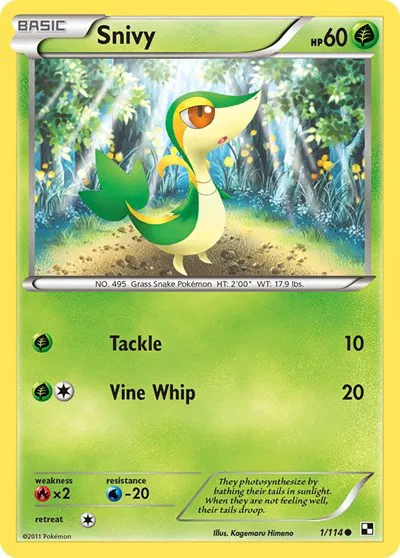
Black and White
Example: Snivy #1, Common.
On this era, the expansion mark and collector number sit near the lower-right card identity line. Match that mark and number before using a price page.
Set mark/numberMatch each marked zone against the set icon, stamp, and collector number before opening the exact card record.
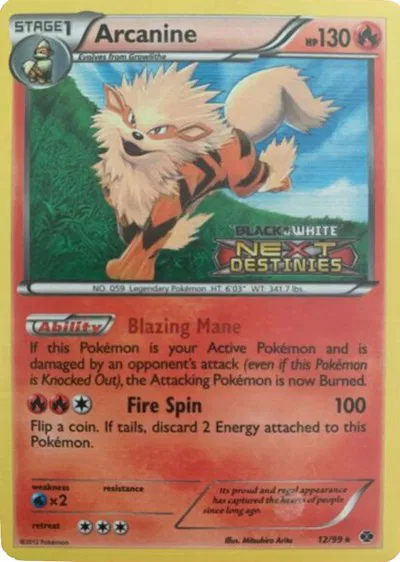
Black and White Promos
Example: Arcanine (Prerelease) #12, Rare.
This example is a stamped product or distribution card. Use the visible stamp first, then lock the identity with the card number and card-number area.
source set stampPromo mark/numberMatch each marked zone against the set icon, stamp, and collector number before opening the exact card record.
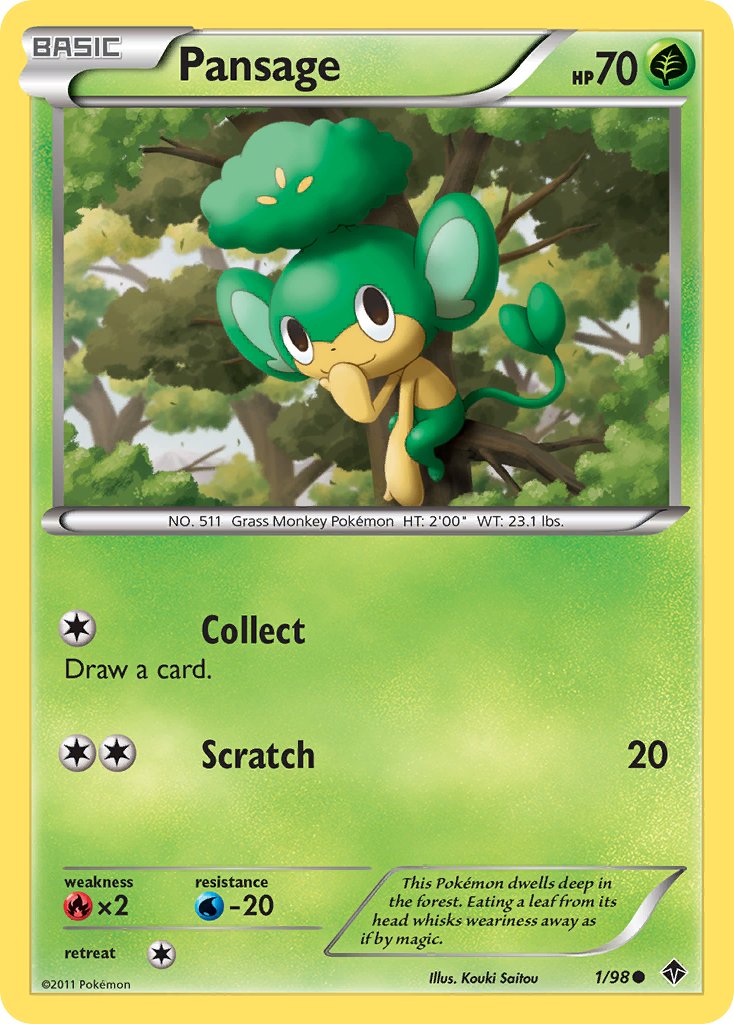
Emerging Powers
Example: Pansage #1, Common.
On this era, the expansion mark and collector number sit near the lower-right card identity line. Match that mark and number before using a price page.
Set mark/numberMatch each marked zone against the set icon, stamp, and collector number before opening the exact card record.
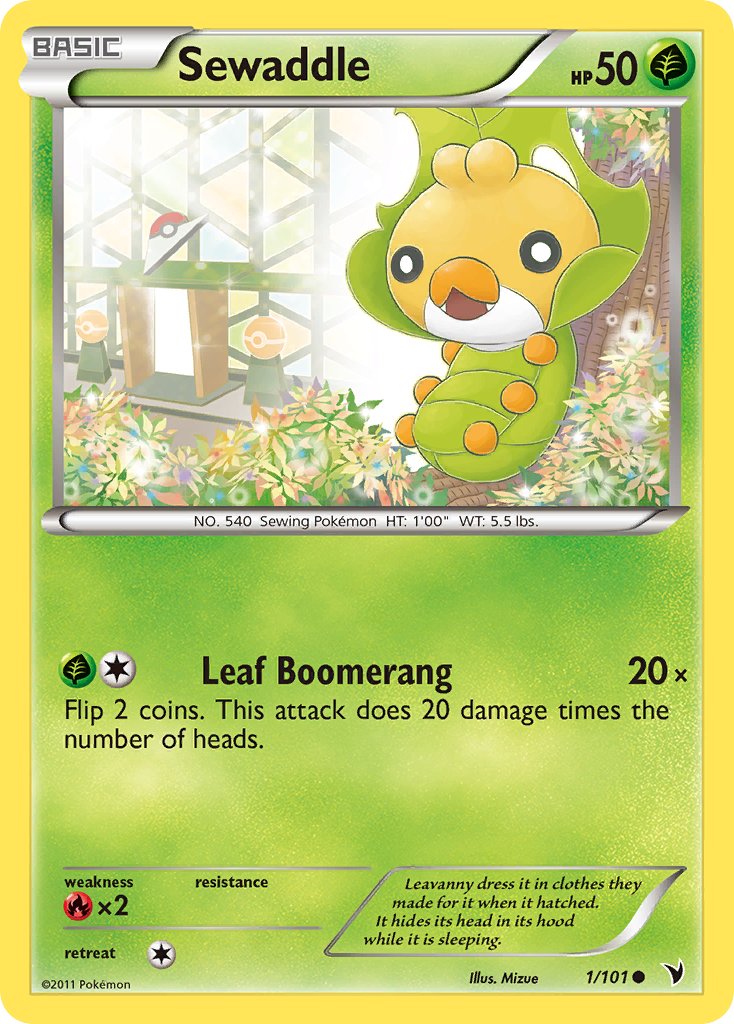
Noble Victories
Example: Sewaddle #1, Common.
On this era, the expansion mark and collector number sit near the lower-right card identity line. Match that mark and number before using a price page.
Set mark/numberMatch each marked zone against the set icon, stamp, and collector number before opening the exact card record.
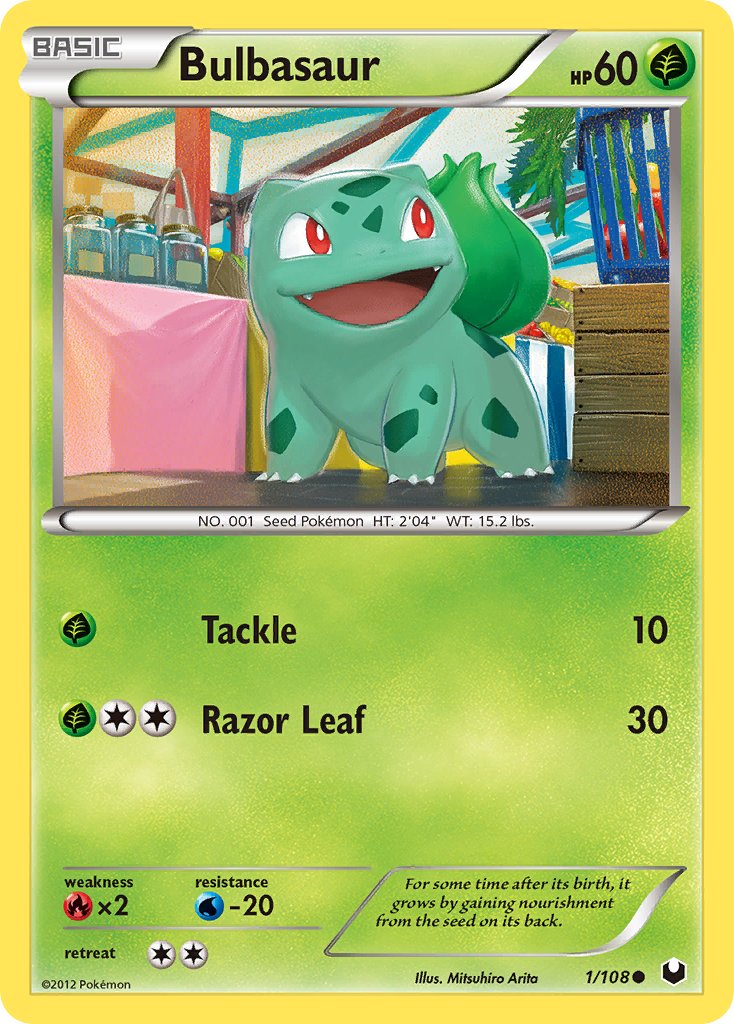
Dark Explorers
Example: Bulbasaur #1, Common.
On this era, the expansion mark and collector number sit near the lower-right card identity line. Match that mark and number before using a price page.
Set mark/numberMatch each marked zone against the set icon, stamp, and collector number before opening the exact card record.
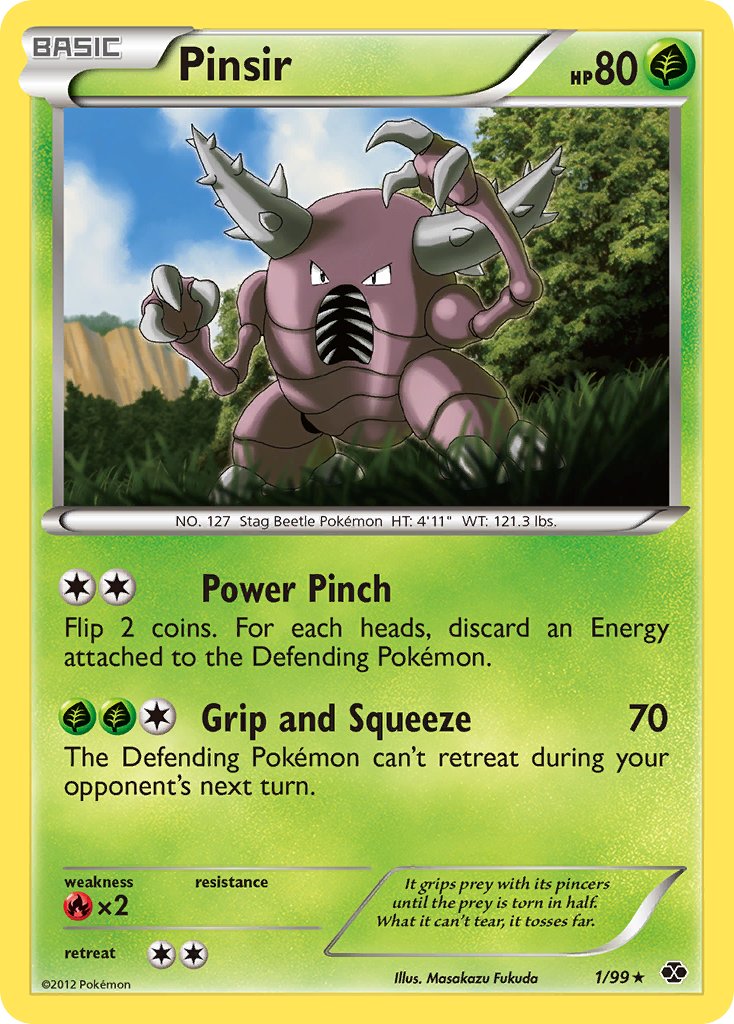
Next Destinies
Example: Pinsir #1, Rare.
On this era, the expansion mark and collector number sit near the lower-right card identity line. Match that mark and number before using a price page.
Set mark/numberMatch each marked zone against the set icon, stamp, and collector number before opening the exact card record.
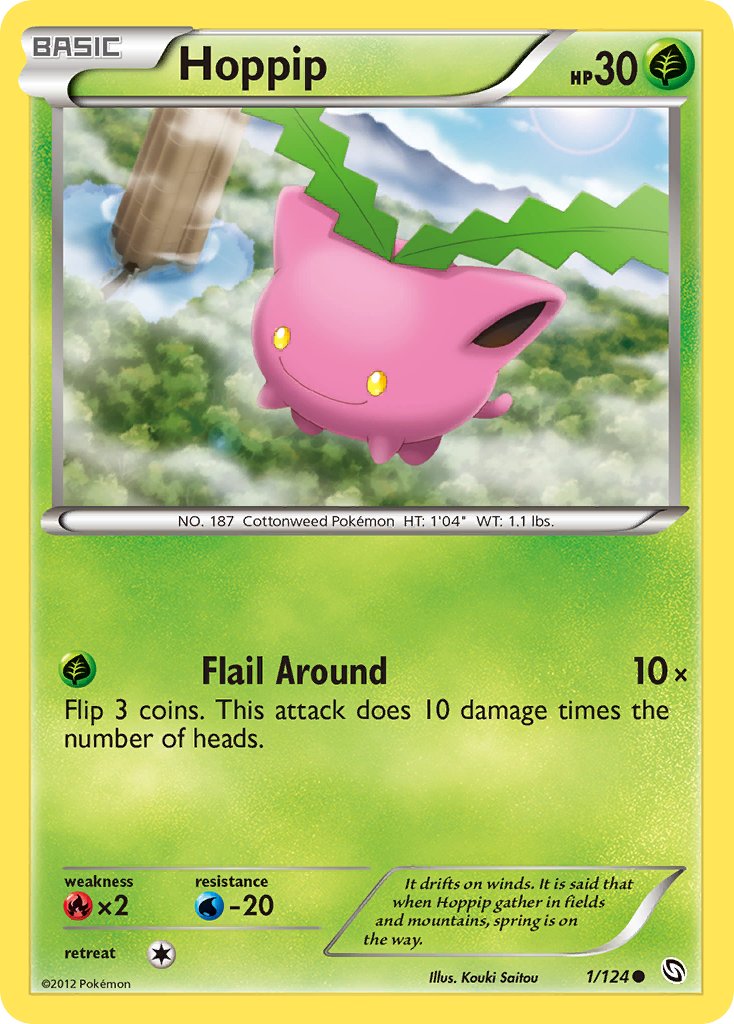
Dragons Exalted
Example: Hoppip #1, Common.
On this era, the expansion mark and collector number sit near the lower-right card identity line. Match that mark and number before using a price page.
Set mark/numberMatch each marked zone against the set icon, stamp, and collector number before opening the exact card record.
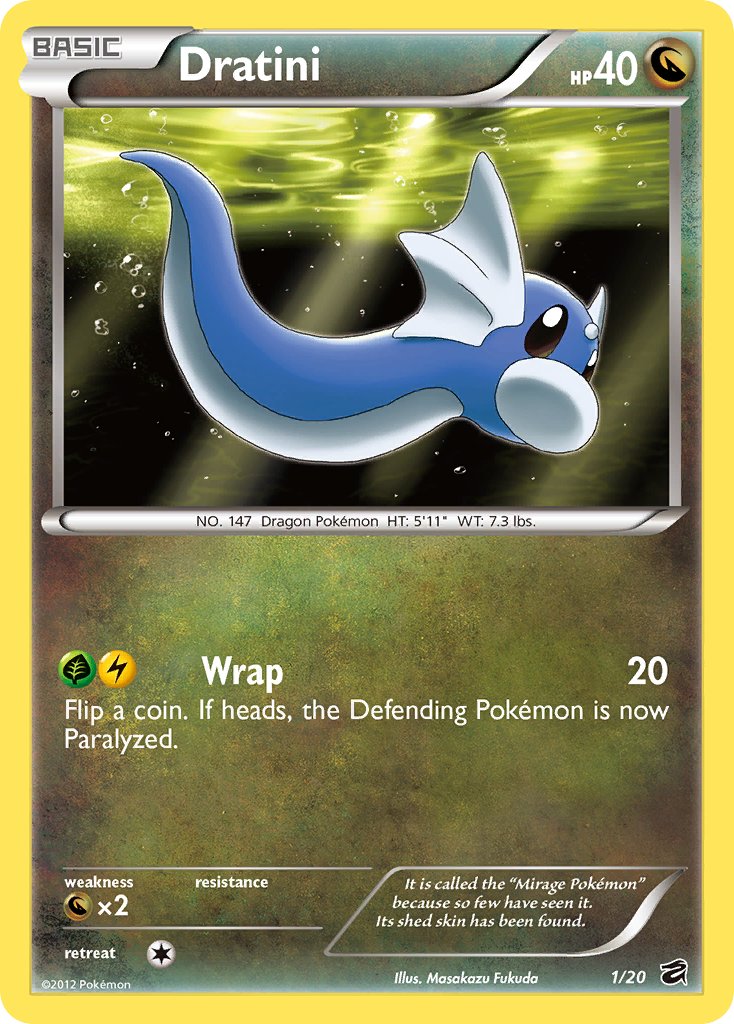
Dragon Vault
Example: Dratini #1, Holo Rare.
On this era, the expansion mark and collector number sit near the lower-right card identity line. Match that mark and number before using a price page.
Set mark/numberMatch each marked zone against the set icon, stamp, and collector number before opening the exact card record.
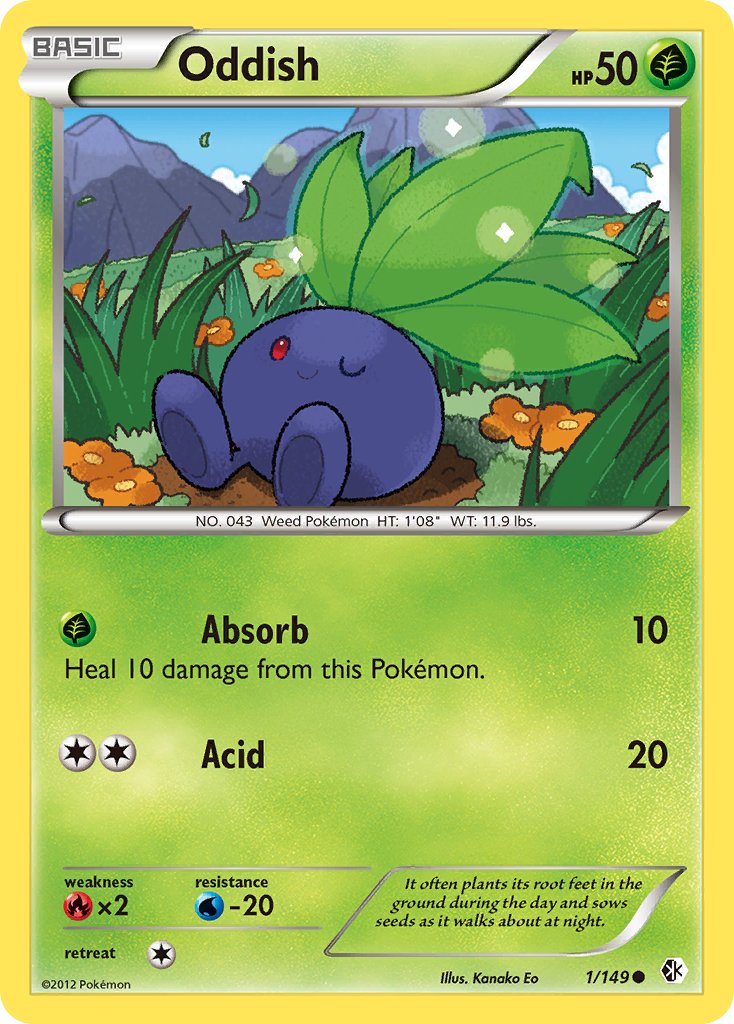
Boundaries Crossed
Example: Oddish #1, Common.
On this era, the expansion mark and collector number sit near the lower-right card identity line. Match that mark and number before using a price page.
Set mark/numberMatch each marked zone against the set icon, stamp, and collector number before opening the exact card record.
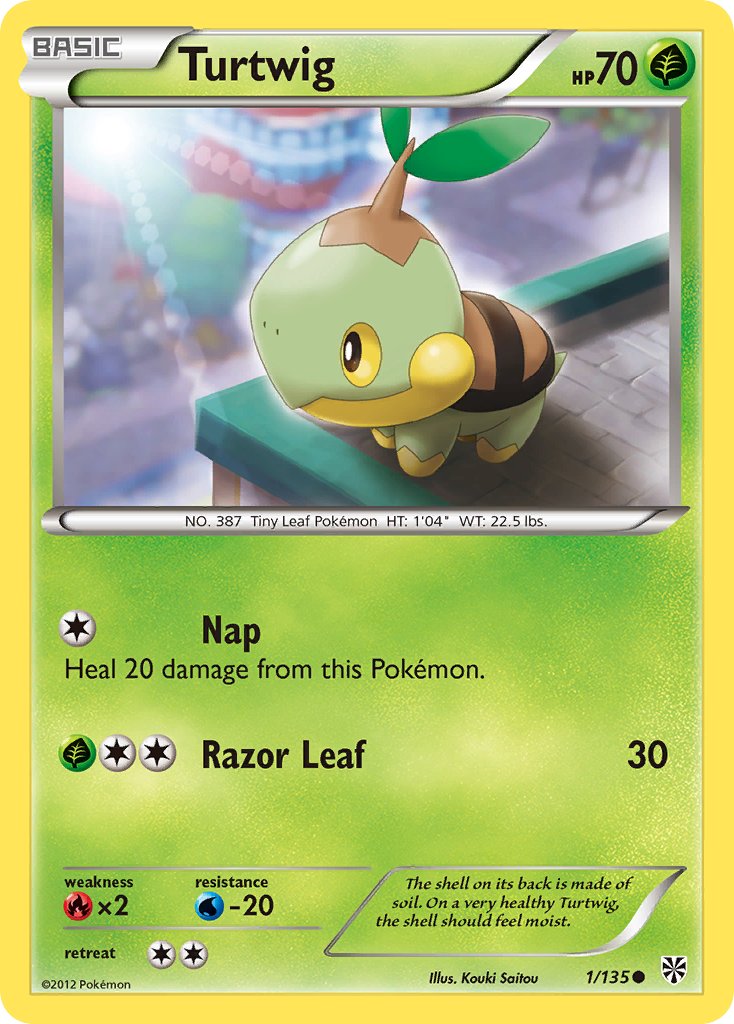
Plasma Storm
Example: Turtwig #1, Common.
On this era, the expansion mark and collector number sit near the lower-right card identity line. Match that mark and number before using a price page.
Set mark/numberMatch each marked zone against the set icon, stamp, and collector number before opening the exact card record.
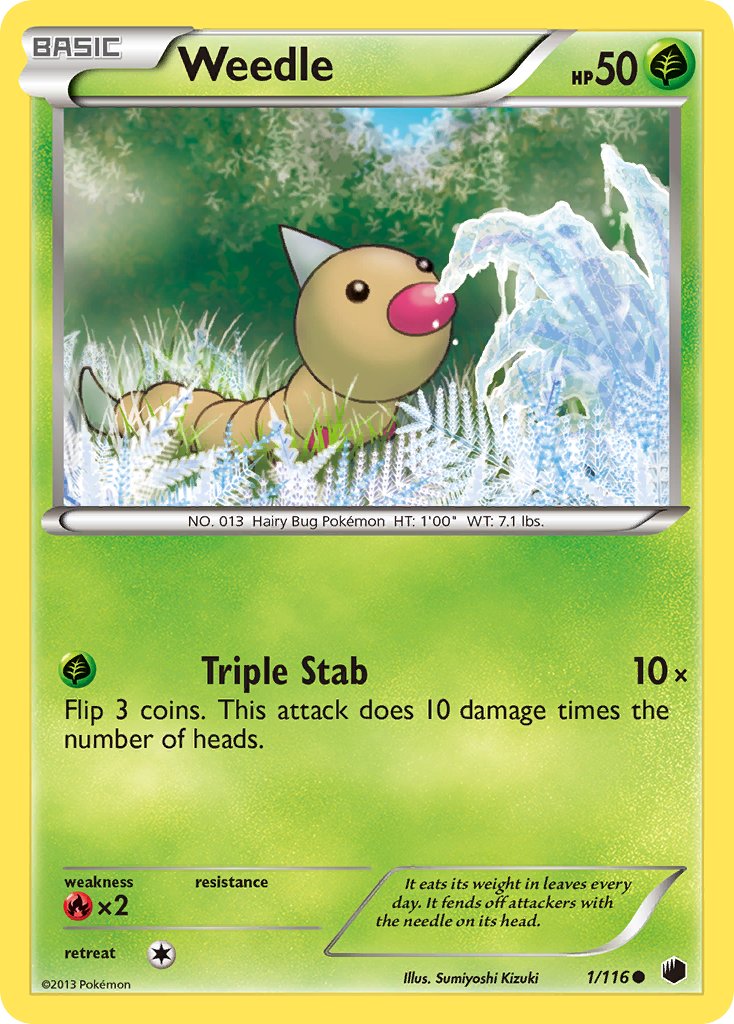
Plasma Freeze
Example: Weedle #1, Common.
On this era, the expansion mark and collector number sit near the lower-right card identity line. Match that mark and number before using a price page.
Set mark/numberMatch each marked zone against the set icon, stamp, and collector number before opening the exact card record.
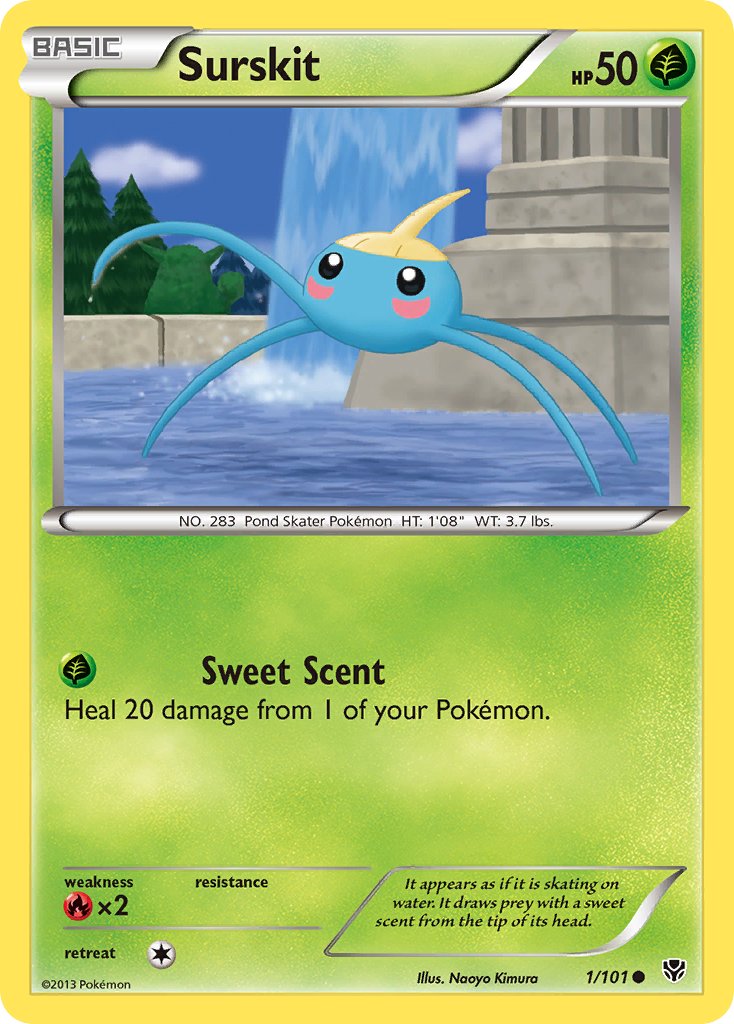
Plasma Blast
Example: Surskit #1, Common.
On this era, the expansion mark and collector number sit near the lower-right card identity line. Match that mark and number before using a price page.
Set mark/numberMatch each marked zone against the set icon, stamp, and collector number before opening the exact card record.
Legendary Treasures
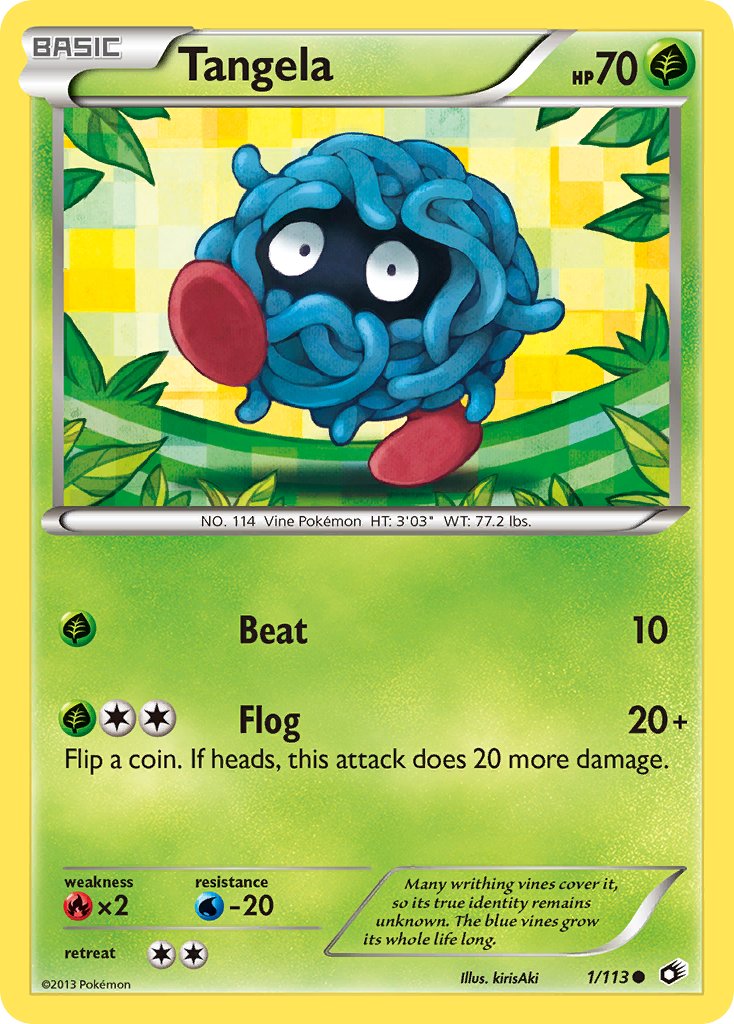
Example: Tangela #1, Common.
On this era, the expansion mark and collector number sit near the lower-right card identity line. Match that mark and number before using a price page.
Set mark/numberMatch each marked zone against the set icon, stamp, and collector number before opening the exact card record.
Legendary Treasures: Radiant Collections
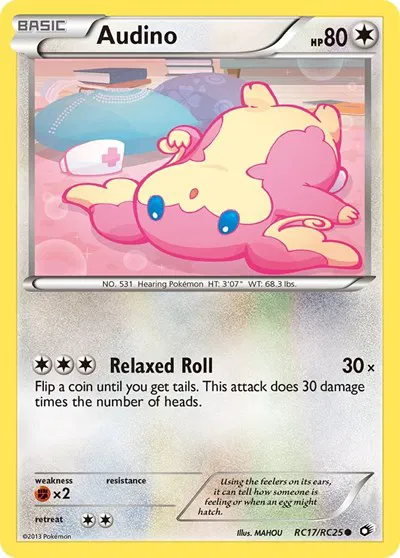
Example: Audino #RC17, Common.
On this era, the expansion mark and collector number sit near the lower-right card identity line. Match that mark and number before using a price page.
Set mark/numberMatch each marked zone against the set icon, stamp, and collector number before opening the exact card record.
HeartGold & SoulSilver
6 sets in this snapshot
HeartGold & SoulSilver
6 sets in this snapshot
HGSS Promos
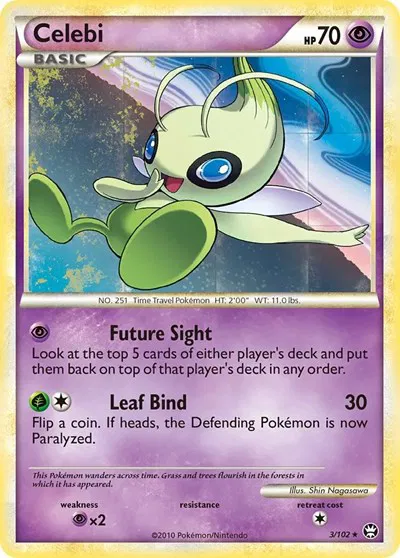
Example: Celebi (NonMovie Exclusive) #3/102, Promo.
On this promo-era layout, the promo mark or expansion mark and number sit near the lower-right identity line. Confirm any stamped product source separately.
Promo mark/numberMatch each marked zone against the set icon, stamp, and collector number before opening the exact card record.
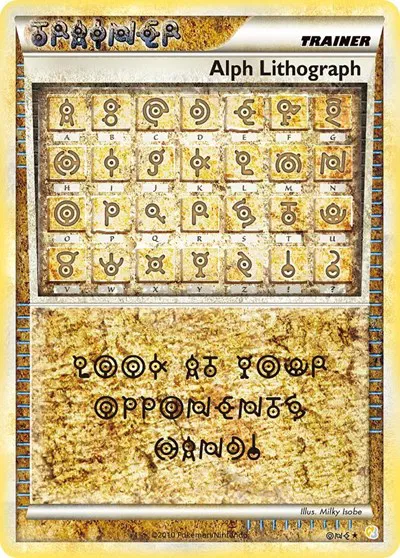
HeartGold SoulSilver
Example: Alph Lithograph #1, Ultra Rare.
On this era, the expansion mark and collector number sit near the lower-right card identity line. Match that mark and number before using a price page.
Set mark/numberMatch each marked zone against the set icon, stamp, and collector number before opening the exact card record.
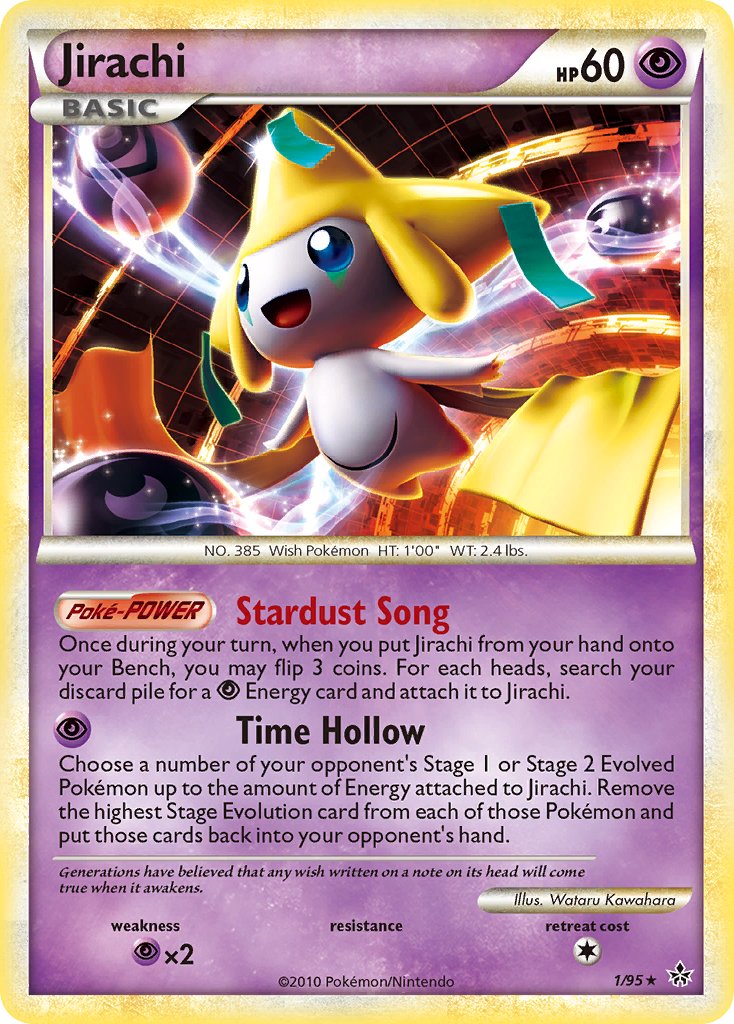
Unleashed
Example: Jirachi #1, Holo Rare.
On this era, the expansion mark and collector number sit near the lower-right card identity line. Match that mark and number before using a price page.
Set mark/numberMatch each marked zone against the set icon, stamp, and collector number before opening the exact card record.
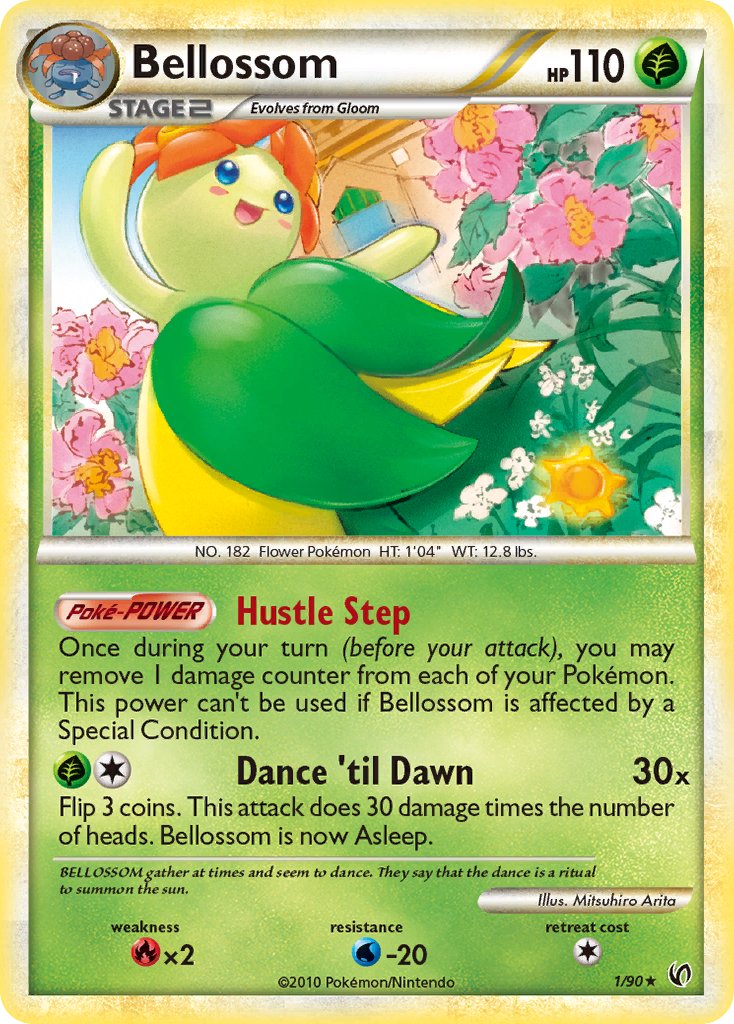
Undaunted
Example: Bellossom #1, Holo Rare.
On this era, the expansion mark and collector number sit near the lower-right card identity line. Match that mark and number before using a price page.
Set mark/numberMatch each marked zone against the set icon, stamp, and collector number before opening the exact card record.
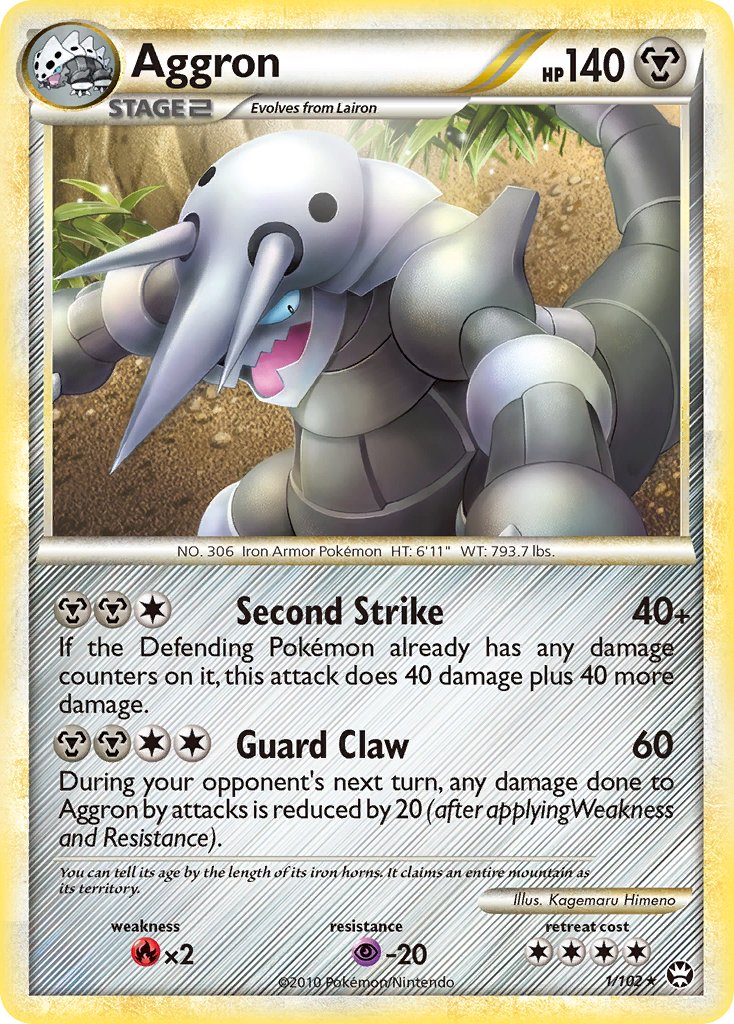
Triumphant
Example: Aggron #1, Holo Rare.
On this era, the expansion mark and collector number sit near the lower-right card identity line. Match that mark and number before using a price page.
Set mark/numberMatch each marked zone against the set icon, stamp, and collector number before opening the exact card record.
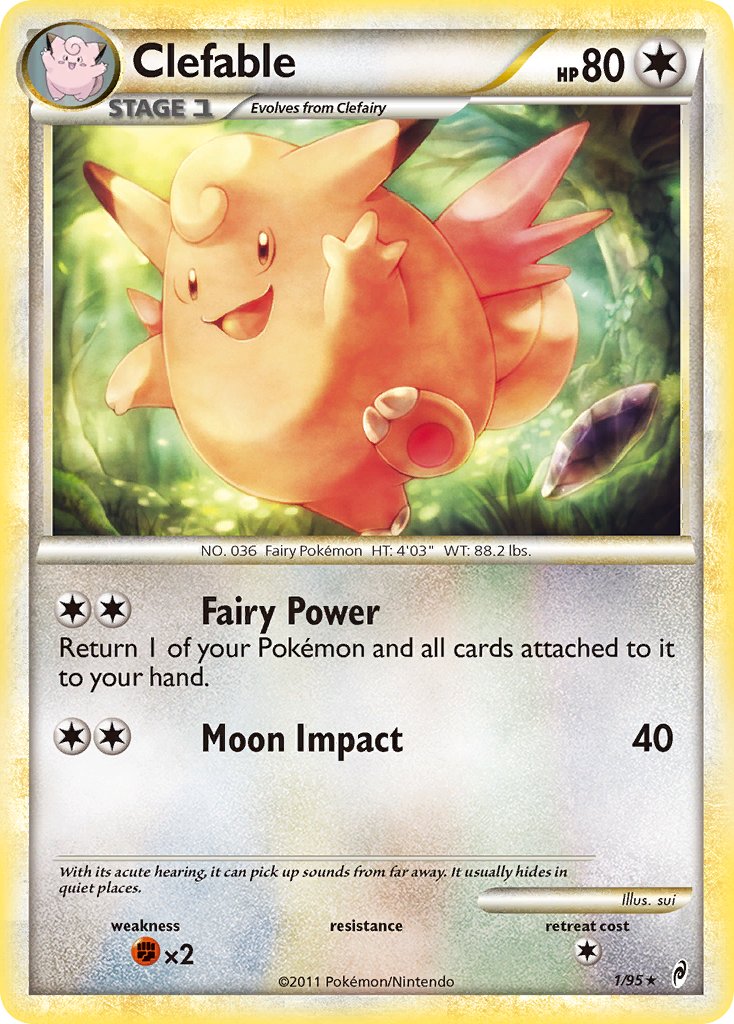
Call of Legends
Example: Clefable #1, Holo Rare.
On this era, the expansion mark and collector number sit near the lower-right card identity line. Match that mark and number before using a price page.
Set mark/numberMatch each marked zone against the set icon, stamp, and collector number before opening the exact card record.
Platinum
4 sets in this snapshot
Platinum
4 sets in this snapshot
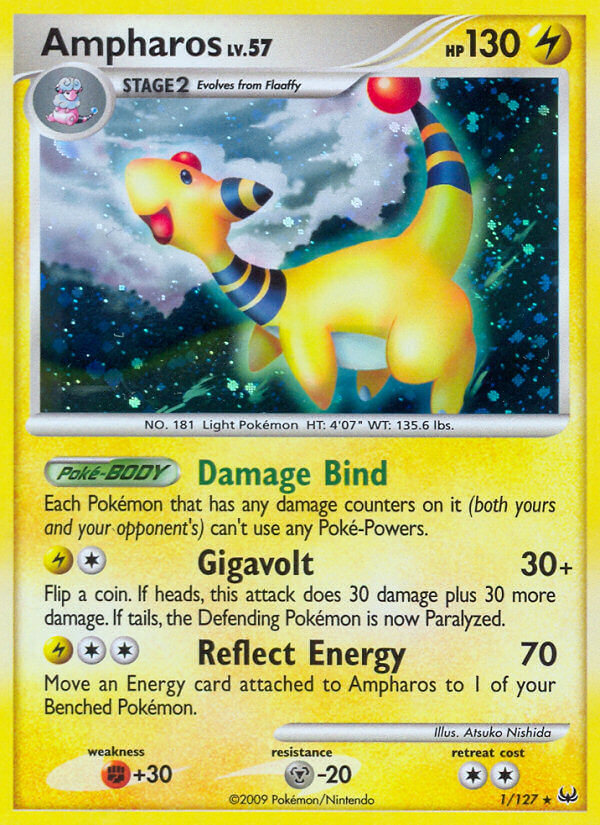
Platinum
Example: Ampharos #1, Holo Rare.
On this era, the expansion mark and collector number sit near the lower-right card identity line. Match that mark and number before using a price page.
Set mark/numberMatch each marked zone against the set icon, stamp, and collector number before opening the exact card record.
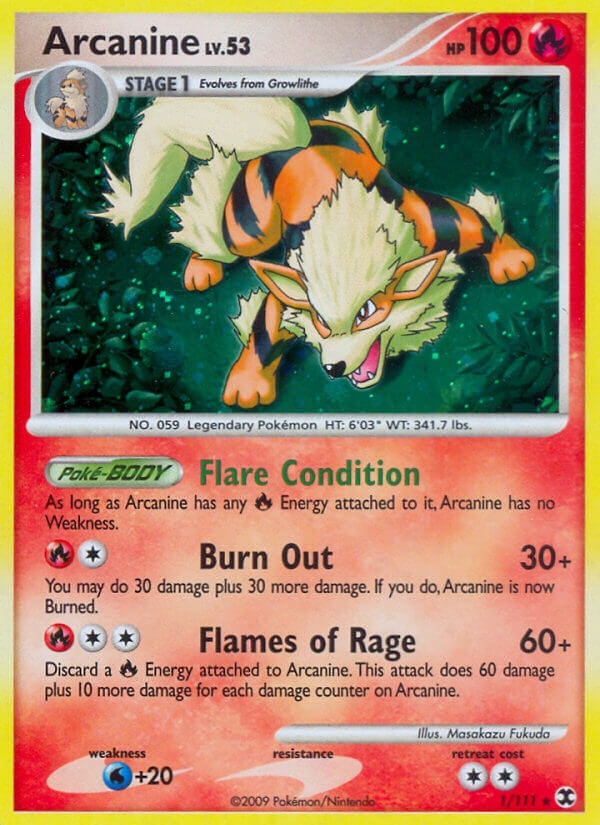
Rising Rivals
Example: Arcanine #1, Holo Rare.
On this era, the expansion mark and collector number sit near the lower-right card identity line. Match that mark and number before using a price page.
Set mark/numberMatch each marked zone against the set icon, stamp, and collector number before opening the exact card record.
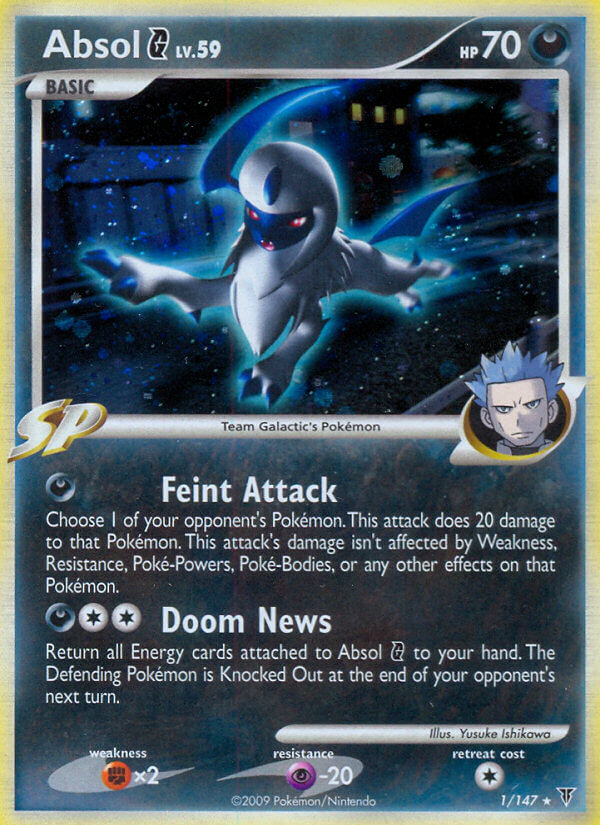
Supreme Victors
Example: Absol G #1, Holo Rare.
On this era, the expansion mark and collector number sit near the lower-right card identity line. Match that mark and number before using a price page.
Set mark/numberMatch each marked zone against the set icon, stamp, and collector number before opening the exact card record.
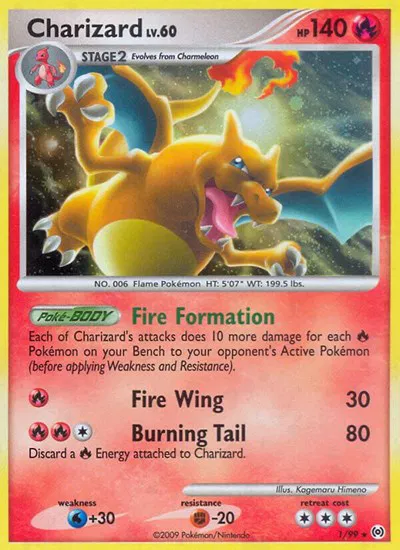
Platinum Arceus
Example: Charizard #1/99, Holo Rare.
On this era, the expansion mark and collector number sit near the lower-right card identity line. Match that mark and number before using a price page.
Set mark/numberMatch each marked zone against the set icon, stamp, and collector number before opening the exact card record.
Diamond & Pearl
8 sets in this snapshot
Diamond & Pearl
8 sets in this snapshot
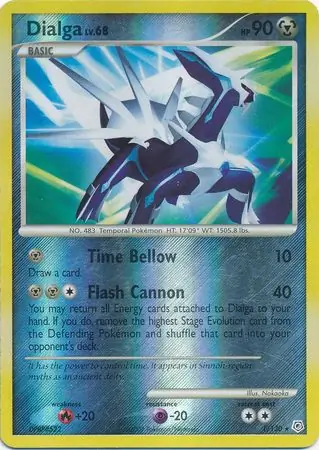
Diamond and Pearl
Example: Dialga #1, Holo Rare.
On this era, the expansion mark and collector number sit near the lower-right card identity line. Match that mark and number before using a price page.
Set mark/numberMatch each marked zone against the set icon, stamp, and collector number before opening the exact card record.
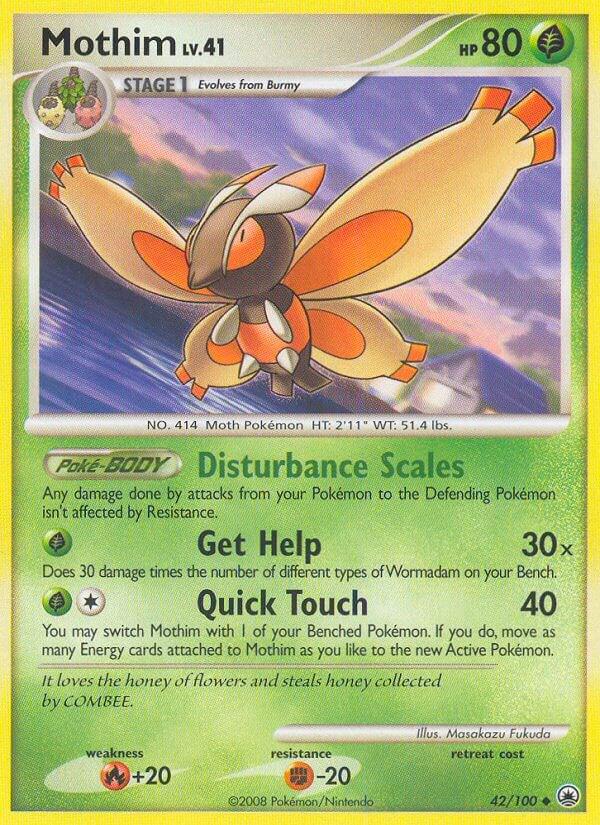
Diamond and Pearl Promos
Example: Mothim (Prerelease) #42, Promo.
On this promo-era layout, the promo mark or expansion mark and number sit near the lower-right identity line. Confirm any stamped product source separately.
Promo mark/numberMatch each marked zone against the set icon, stamp, and collector number before opening the exact card record.
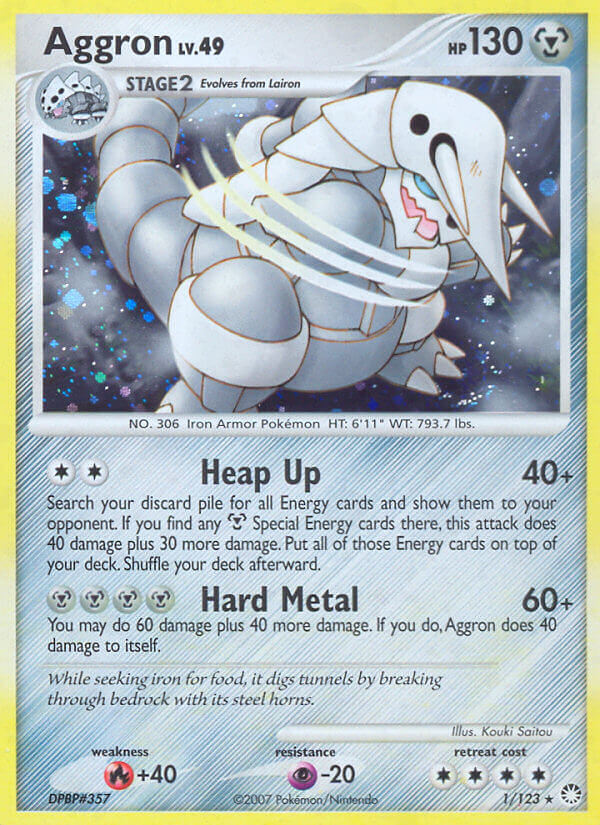
Mysterious Treasures
Example: Aggron #1, Holo Rare.
On this era, the expansion mark and collector number sit near the lower-right card identity line. Match that mark and number before using a price page.
Set mark/numberMatch each marked zone against the set icon, stamp, and collector number before opening the exact card record.
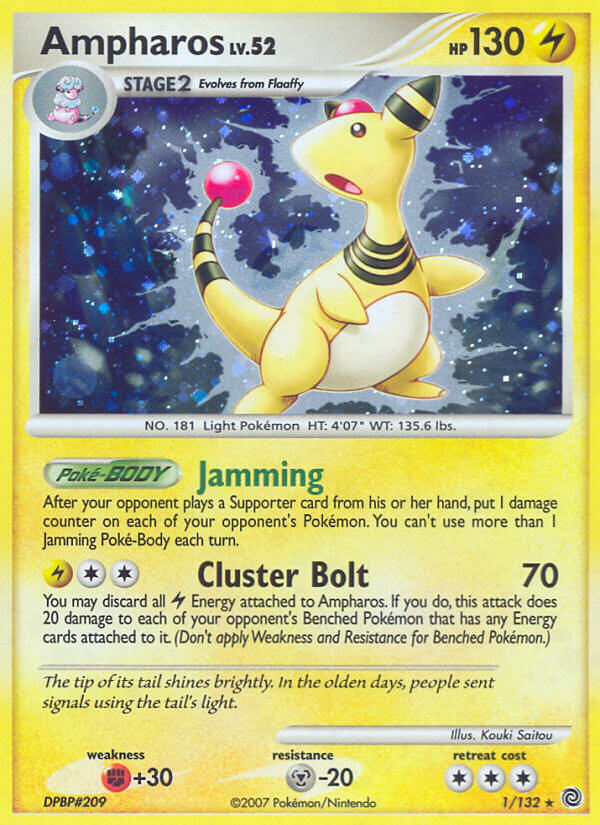
Secret Wonders
Example: Ampharos #1, Holo Rare.
On this era, the expansion mark and collector number sit near the lower-right card identity line. Match that mark and number before using a price page.
Set mark/numberMatch each marked zone against the set icon, stamp, and collector number before opening the exact card record.
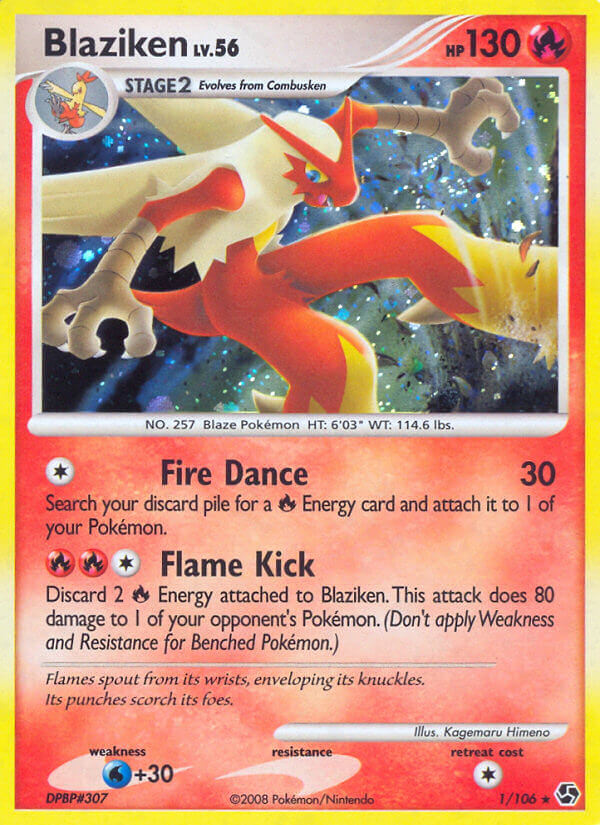
Great Encounters
Example: Blaziken #1, Holo Rare.
On this era, the expansion mark and collector number sit near the lower-right card identity line. Match that mark and number before using a price page.
Set mark/numberMatch each marked zone against the set icon, stamp, and collector number before opening the exact card record.
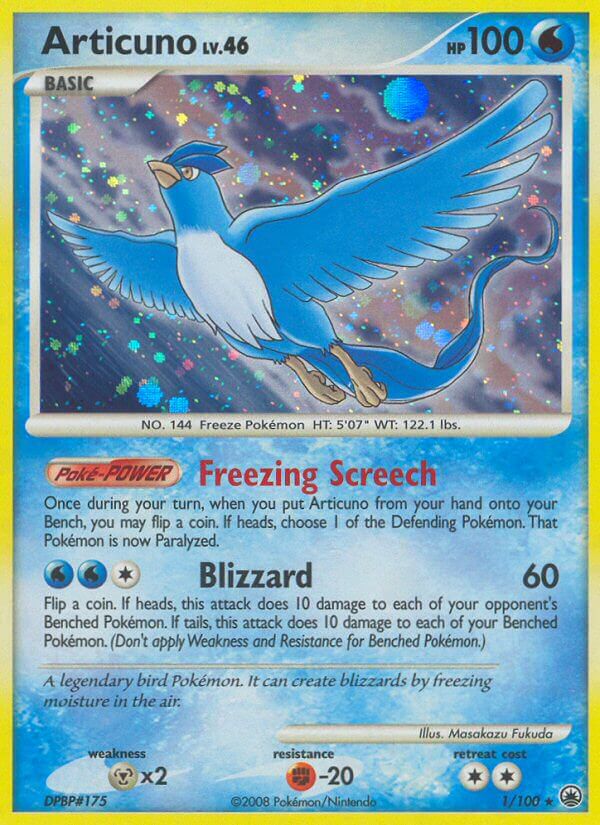
Majestic Dawn
Example: Articuno #1, Holo Rare.
On this era, the expansion mark and collector number sit near the lower-right card identity line. Match that mark and number before using a price page.
Set mark/numberMatch each marked zone against the set icon, stamp, and collector number before opening the exact card record.
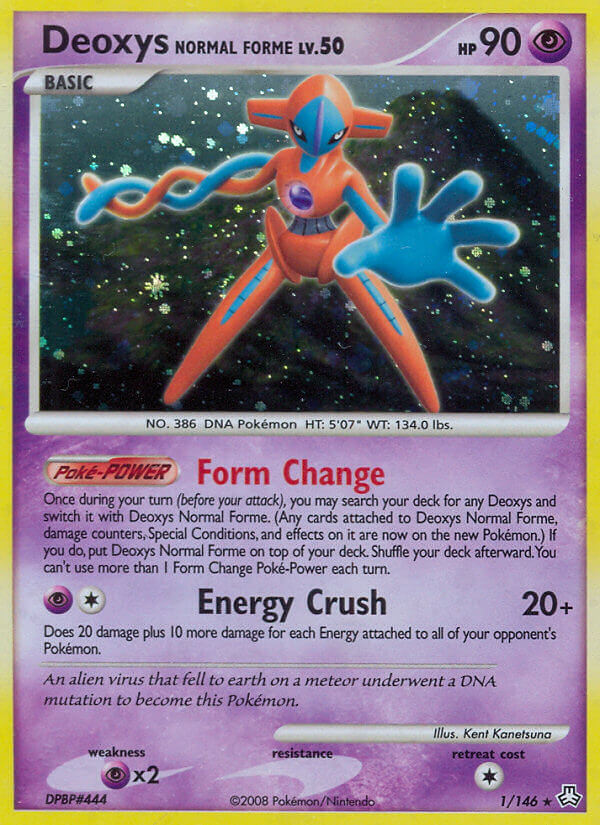
Legends Awakened
Example: Deoxys Normal Forme #1, Holo Rare.
On this era, the expansion mark and collector number sit near the lower-right card identity line. Match that mark and number before using a price page.
Set mark/numberMatch each marked zone against the set icon, stamp, and collector number before opening the exact card record.
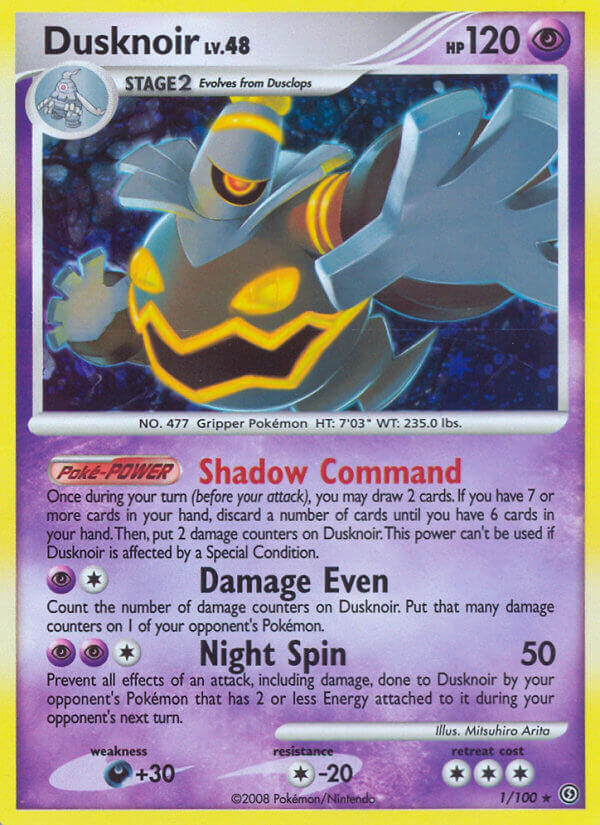
Stormfront
Example: Dusknoir #1, Holo Rare.
On this era, the expansion mark and collector number sit near the lower-right card identity line. Match that mark and number before using a price page.
Set mark/numberMatch each marked zone against the set icon, stamp, and collector number before opening the exact card record.
POP
9 sets in this snapshot
POP
9 sets in this snapshot
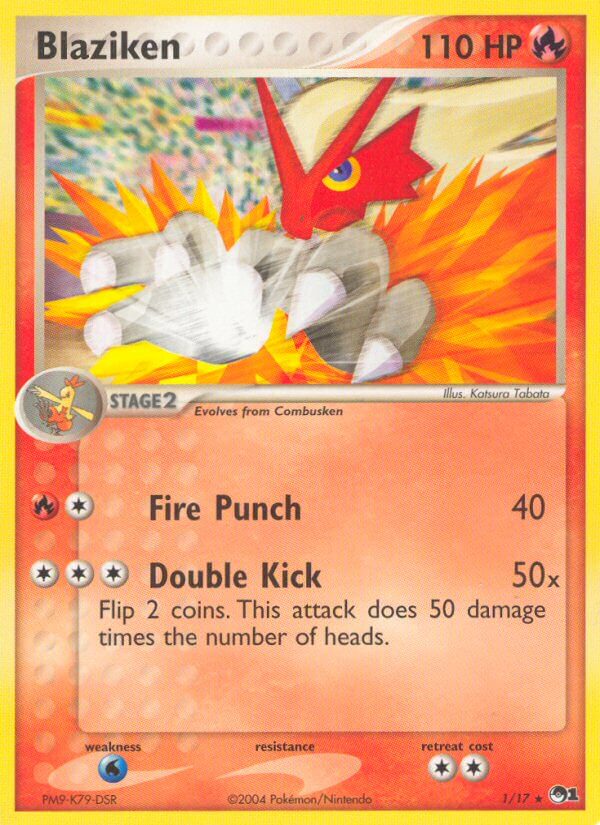
POP Series 1
Example: Blaziken #1, Rare.
On this era, the expansion mark and collector number sit near the lower-right card identity line. Match that mark and number before using a price page.
Set mark/numberMatch each marked zone against the set icon, stamp, and collector number before opening the exact card record.
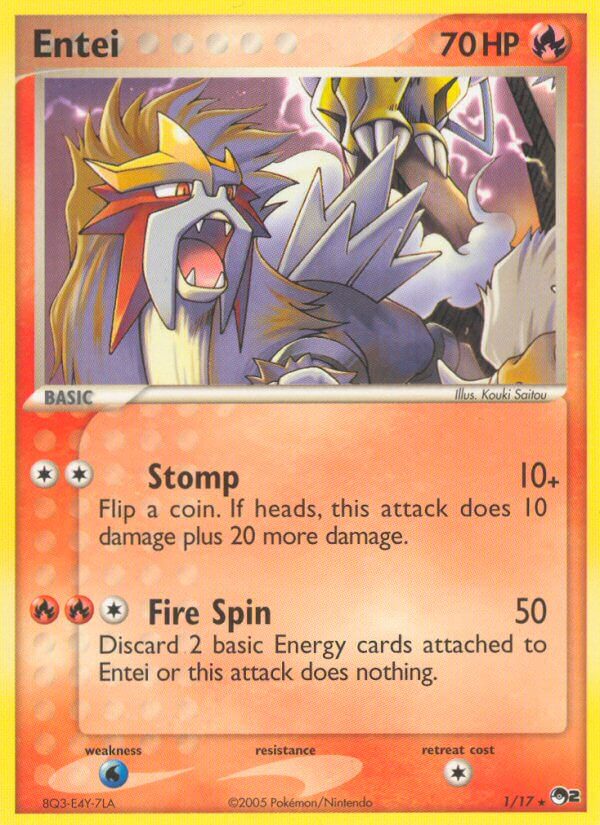
POP Series 2
Example: Entei #1, Rare.
On this era, the expansion mark and collector number sit near the lower-right card identity line. Match that mark and number before using a price page.
Set mark/numberMatch each marked zone against the set icon, stamp, and collector number before opening the exact card record.
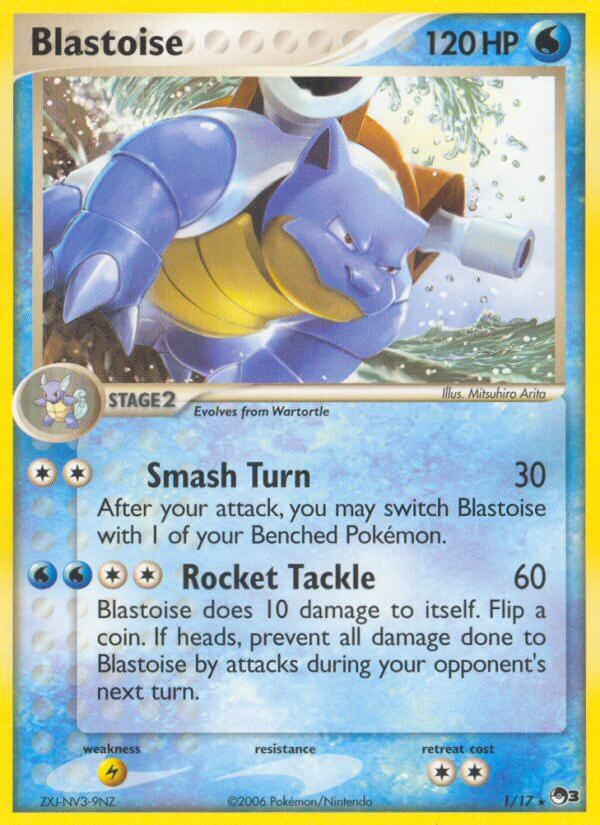
POP Series 3
Example: Blastoise #1, Rare.
On this era, the expansion mark and collector number sit near the lower-right card identity line. Match that mark and number before using a price page.
Set mark/numberMatch each marked zone against the set icon, stamp, and collector number before opening the exact card record.
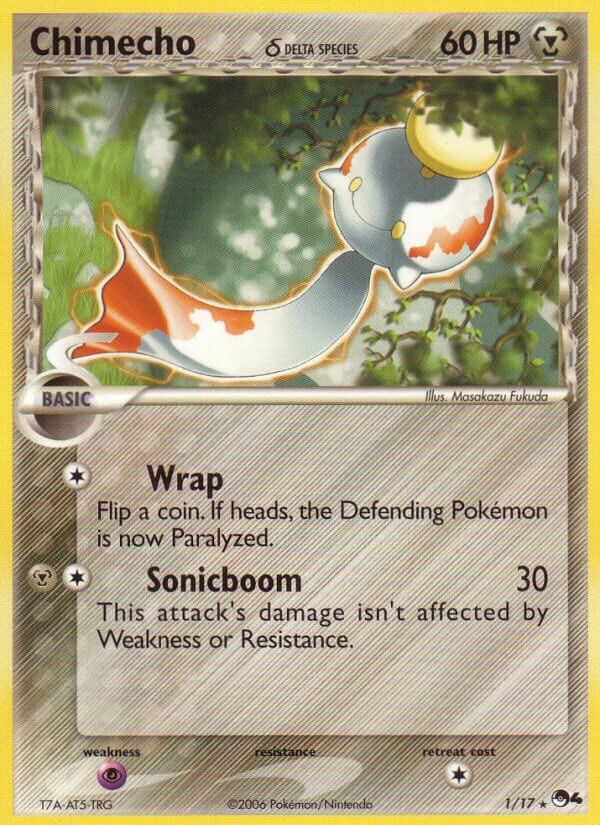
POP Series 4
Example: Chimecho (Delta Species) #1, Rare.
On this era, the expansion mark and collector number sit near the lower-right card identity line. Match that mark and number before using a price page.
Set mark/numberMatch each marked zone against the set icon, stamp, and collector number before opening the exact card record.
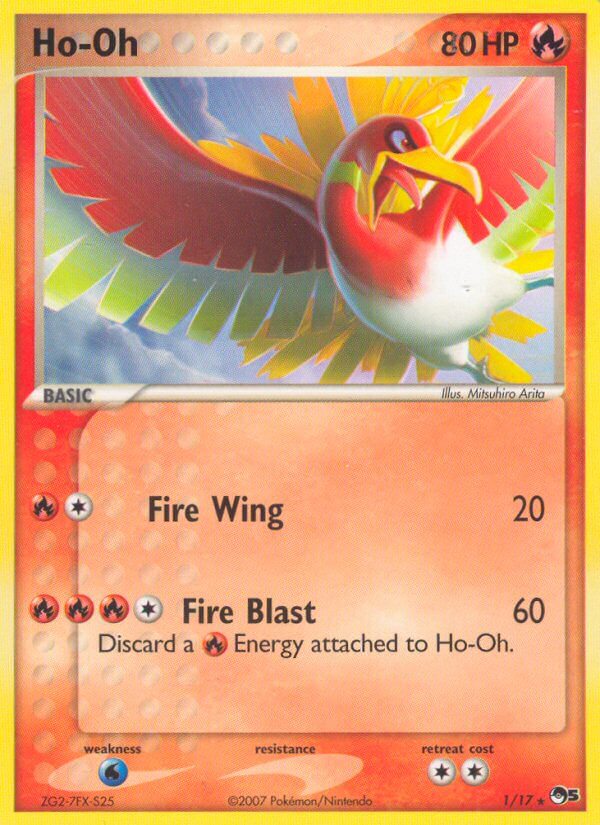
POP Series 5
Example: Ho-oh #1, Rare.
On this era, the expansion mark and collector number sit near the lower-right card identity line. Match that mark and number before using a price page.
Set mark/numberMatch each marked zone against the set icon, stamp, and collector number before opening the exact card record.
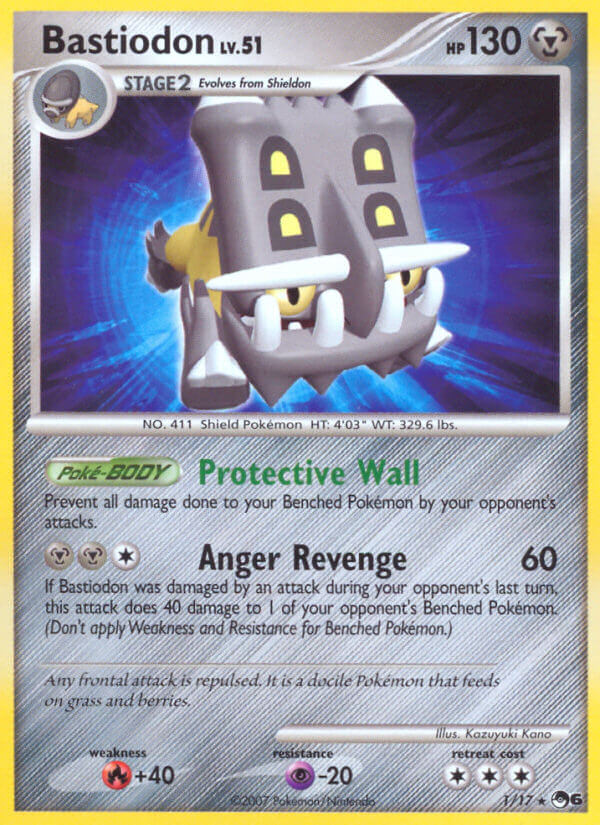
POP Series 6
Example: Bastiodon #1, Rare.
On this era, the expansion mark and collector number sit near the lower-right card identity line. Match that mark and number before using a price page.
Set mark/numberMatch each marked zone against the set icon, stamp, and collector number before opening the exact card record.
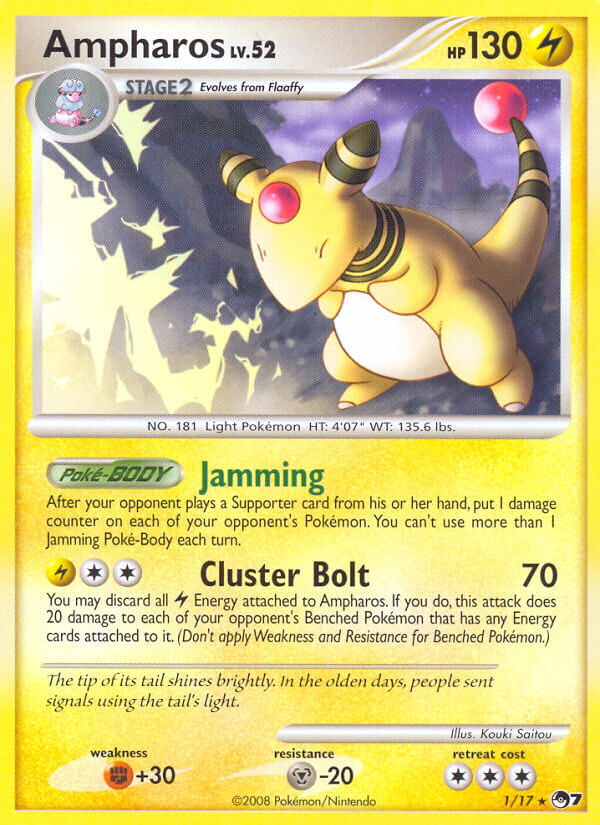
POP Series 7
Example: Ampharos #1, Rare.
On this era, the expansion mark and collector number sit near the lower-right card identity line. Match that mark and number before using a price page.
Set mark/numberMatch each marked zone against the set icon, stamp, and collector number before opening the exact card record.
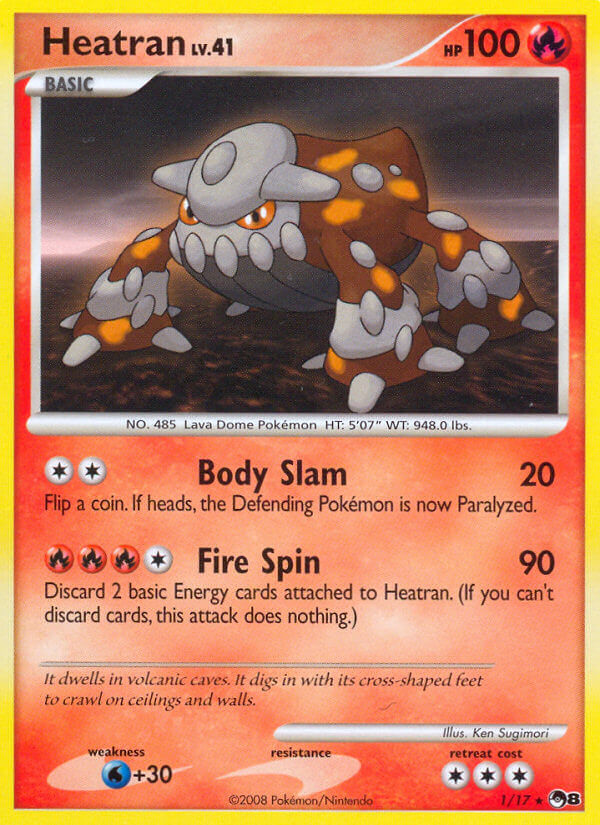
POP Series 8
Example: Heatran #1, Rare.
On this era, the expansion mark and collector number sit near the lower-right card identity line. Match that mark and number before using a price page.
Set mark/numberMatch each marked zone against the set icon, stamp, and collector number before opening the exact card record.
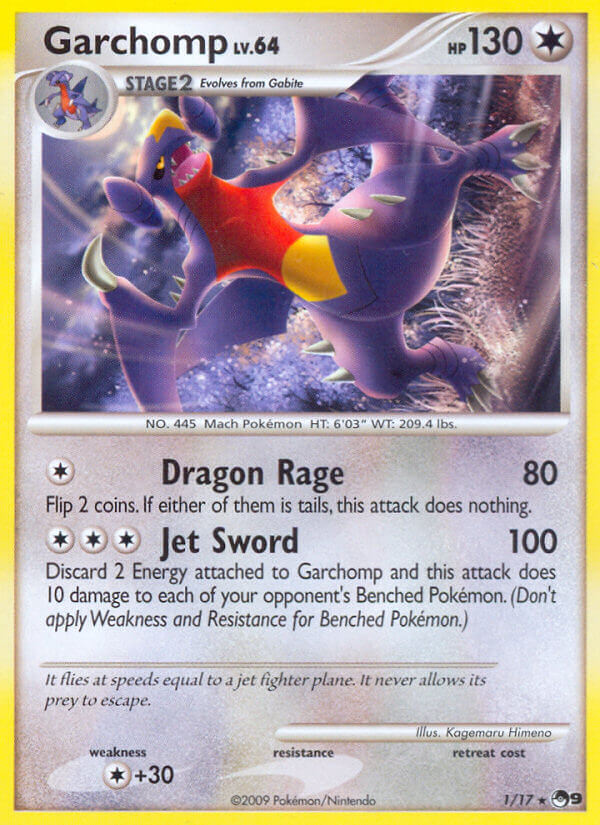
POP Series 9
Example: Garchomp #1, Rare.
On this era, the expansion mark and collector number sit near the lower-right card identity line. Match that mark and number before using a price page.
Set mark/numberMatch each marked zone against the set icon, stamp, and collector number before opening the exact card record.
EX
16 sets in this snapshot
EX
16 sets in this snapshot
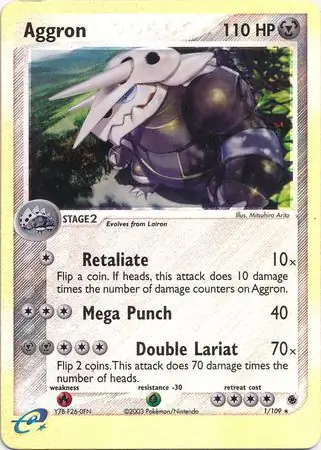
EX Ruby & Sapphire
Example: Aggron #1, Holo Rare.
On this era, the expansion mark and collector number sit near the lower-right card identity line. Match that mark and number before using a price page.
Set mark/numberMatch each marked zone against the set icon, stamp, and collector number before opening the exact card record.
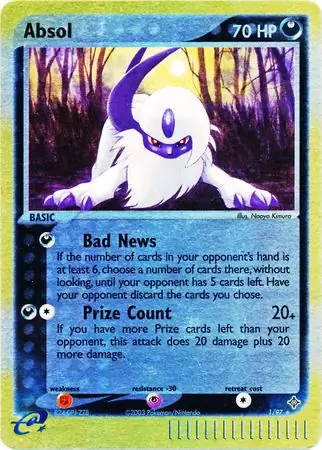
EX Dragon
Example: Absol #1, Holo Rare.
On this era, the expansion mark and collector number sit near the lower-right card identity line. Match that mark and number before using a price page.
Set mark/numberMatch each marked zone against the set icon, stamp, and collector number before opening the exact card record.
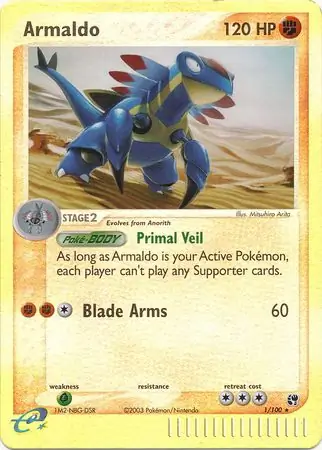
EX Sandstorm
Example: Armaldo #1, Holo Rare.
On this era, the expansion mark and collector number sit near the lower-right card identity line. Match that mark and number before using a price page.
Set mark/numberMatch each marked zone against the set icon, stamp, and collector number before opening the exact card record.
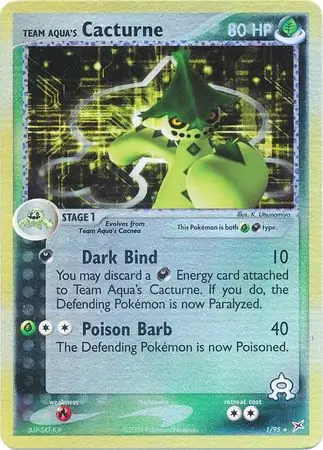
EX Team Magma vs Team Aqua
Example: Team Aqua's Cacturne #1, Holo Rare.
On this era, the expansion mark and collector number sit near the lower-right card identity line. Match that mark and number before using a price page.
Set mark/numberMatch each marked zone against the set icon, stamp, and collector number before opening the exact card record.
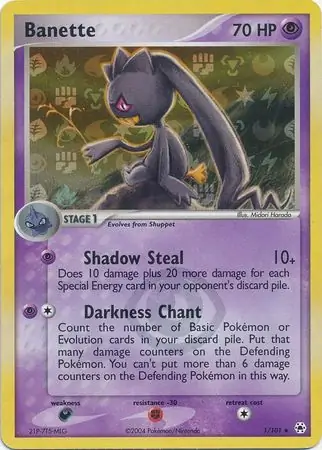
EX Hidden Legends
Example: Banette #1, Holo Rare.
On this era, the expansion mark and collector number sit near the lower-right card identity line. Match that mark and number before using a price page.
Set mark/numberMatch each marked zone against the set icon, stamp, and collector number before opening the exact card record.
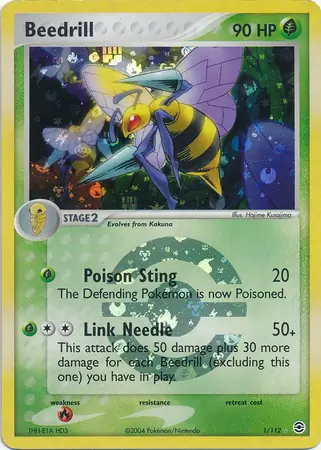
EX FireRed & LeafGreen
Example: Beedrill #1, Holo Rare.
On this era, the expansion mark and collector number sit near the lower-right card identity line. Match that mark and number before using a price page.
Set mark/numberMatch each marked zone against the set icon, stamp, and collector number before opening the exact card record.
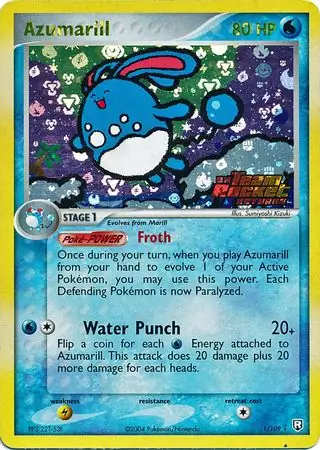
EX Team Rocket Returns
Example: Azumarill #1, Holo Rare.
On this era, the expansion mark and collector number sit near the lower-right card identity line. Match that mark and number before using a price page.
Set mark/numberMatch each marked zone against the set icon, stamp, and collector number before opening the exact card record.
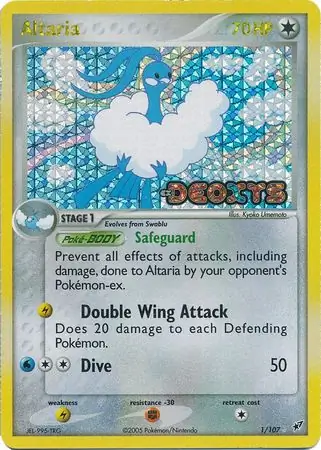
EX Deoxys
Example: Altaria #1, Holo Rare.
On this era, the expansion mark and collector number sit near the lower-right card identity line. Match that mark and number before using a price page.
Set mark/numberMatch each marked zone against the set icon, stamp, and collector number before opening the exact card record.
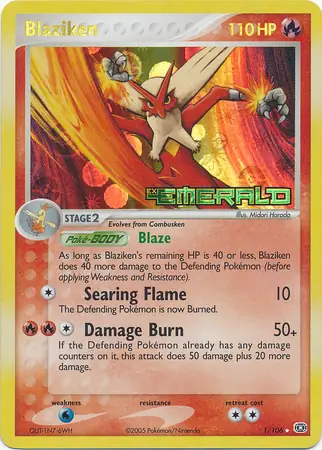
EX Emerald
Example: Blaziken #1, Holo Rare.
On this era, the expansion mark and collector number sit near the lower-right card identity line. Match that mark and number before using a price page.
Set mark/numberMatch each marked zone against the set icon, stamp, and collector number before opening the exact card record.
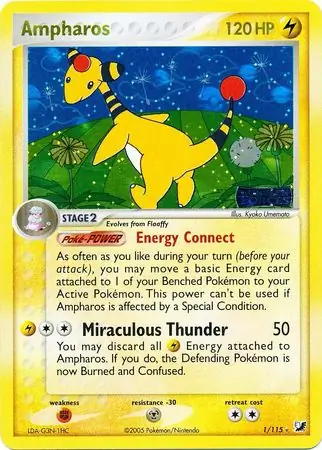
EX Unseen Forces
Example: Ampharos #1/115, Holo Rare.
On this era, the expansion mark and collector number sit near the lower-right card identity line. Match that mark and number before using a price page.
Set mark/numberMatch each marked zone against the set icon, stamp, and collector number before opening the exact card record.
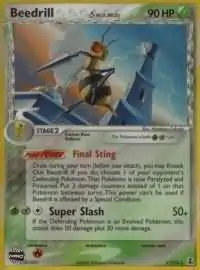
EX Delta Species
Example: Beedrill (Delta Species) #1, Holo Rare.
On this era, the expansion mark and collector number sit near the lower-right card identity line. Match that mark and number before using a price page.
Set mark/numberMatch each marked zone against the set icon, stamp, and collector number before opening the exact card record.
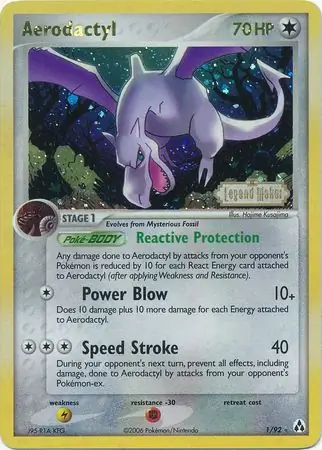
EX Legend Maker
Example: Aerodactyl #1, Holo Rare.
On this era, the expansion mark and collector number sit near the lower-right card identity line. Match that mark and number before using a price page.
Set mark/numberMatch each marked zone against the set icon, stamp, and collector number before opening the exact card record.
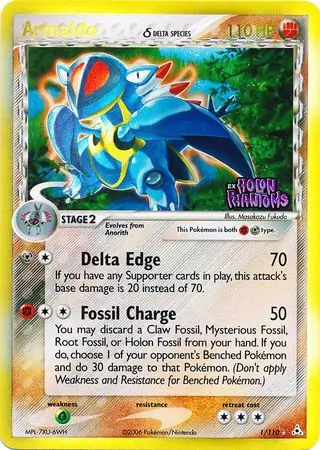
EX Holon Phantoms
Example: Armaldo (Delta Species) #1, Holo Rare.
On this era, the expansion mark and collector number sit near the lower-right card identity line. Match that mark and number before using a price page.
Set mark/numberMatch each marked zone against the set icon, stamp, and collector number before opening the exact card record.
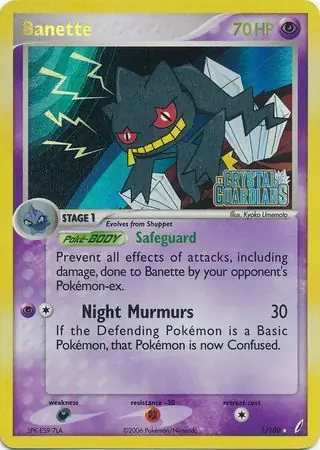
EX Crystal Guardians
Example: Banette #1, Holo Rare.
On this era, the expansion mark and collector number sit near the lower-right card identity line. Match that mark and number before using a price page.
Set mark/numberMatch each marked zone against the set icon, stamp, and collector number before opening the exact card record.
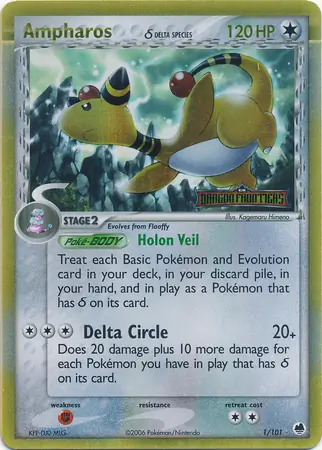
EX Dragon Frontiers
Example: Ampharos (Delta Species) #1/101, Holo Rare.
On this era, the expansion mark and collector number sit near the lower-right card identity line. Match that mark and number before using a price page.
Set mark/numberMatch each marked zone against the set icon, stamp, and collector number before opening the exact card record.
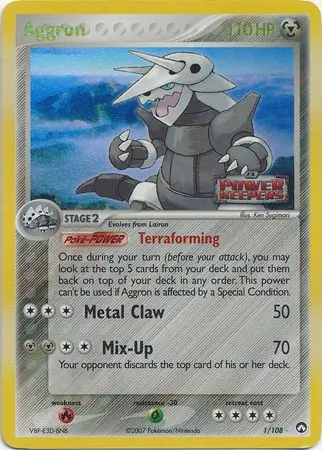
EX Power Keepers
Example: Aggron #1, Holo Rare.
On this era, the expansion mark and collector number sit near the lower-right card identity line. Match that mark and number before using a price page.
Set mark/numberMatch each marked zone against the set icon, stamp, and collector number before opening the exact card record.
E-Card
3 sets in this snapshot
E-Card
3 sets in this snapshot
Expedition
Example: Alakazam #1, Holo Rare.
E-Card layouts put the set mark and collector number into the lower-right e-Reader frame area. Read the frame, mark, and number together.
e-Card markMatch each marked zone against the set icon, stamp, and collector number before opening the exact card record.
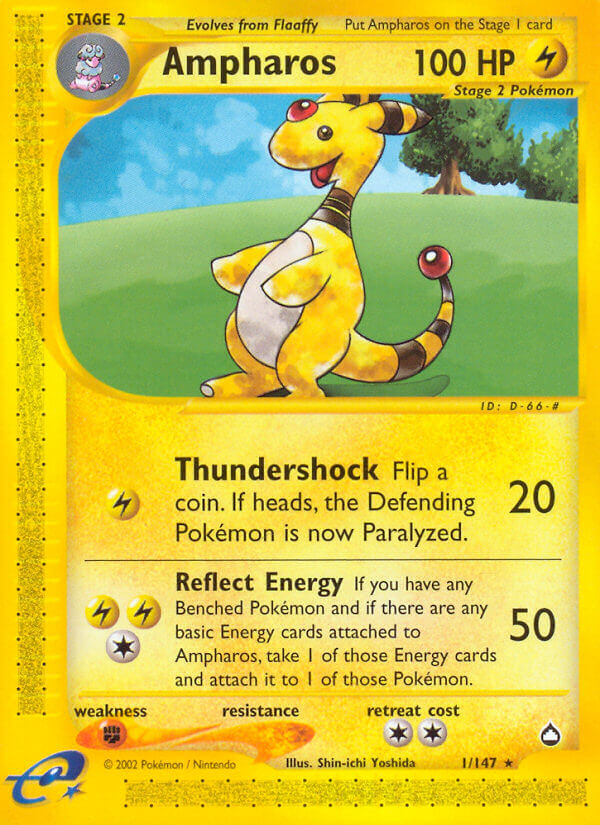
Aquapolis
Example: Ampharos #1, Rare.
E-Card layouts put the set mark and collector number into the lower-right e-Reader frame area. Read the frame, mark, and number together.
e-Card markMatch each marked zone against the set icon, stamp, and collector number before opening the exact card record.
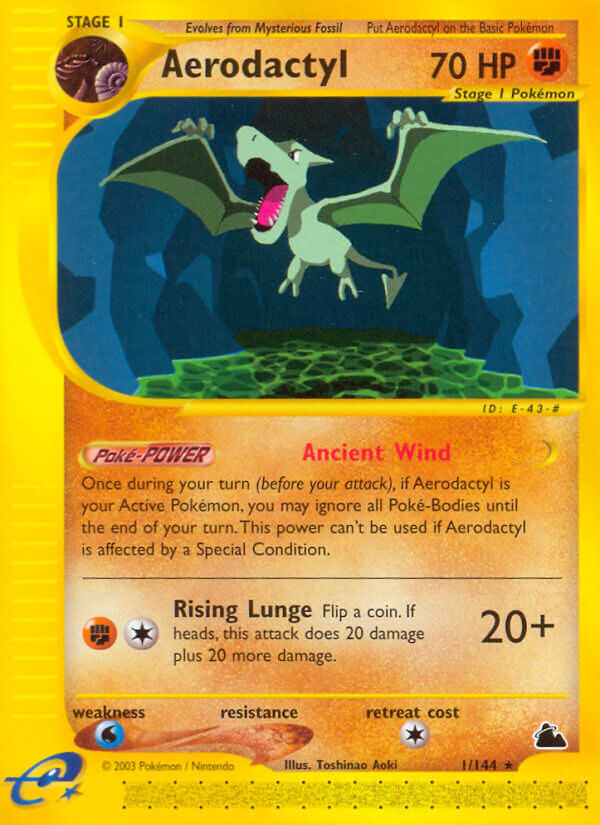
Skyridge
Example: Aerodactyl #1, Rare.
E-Card layouts put the set mark and collector number into the lower-right e-Reader frame area. Read the frame, mark, and number together.
e-Card markMatch each marked zone against the set icon, stamp, and collector number before opening the exact card record.
Neo
4 sets in this snapshot
Neo
4 sets in this snapshot
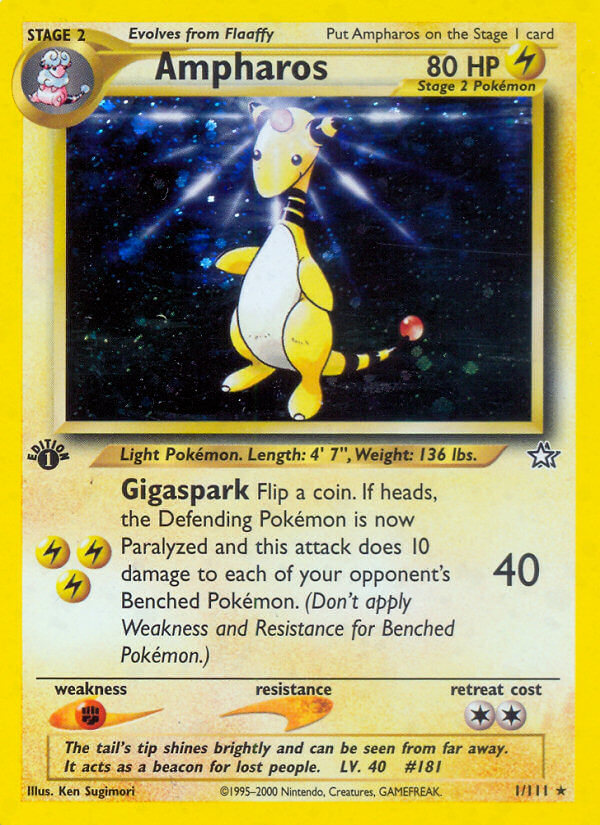
Neo Genesis
Example: Ampharos #1, Holo Rare.
Wizards-era expansion marks sit on or just to the right of the species line below the art. Match that small mark first, then confirm the bottom collector number.
WotC expansion symbolMatch each marked zone against the set icon, stamp, and collector number before opening the exact card record.
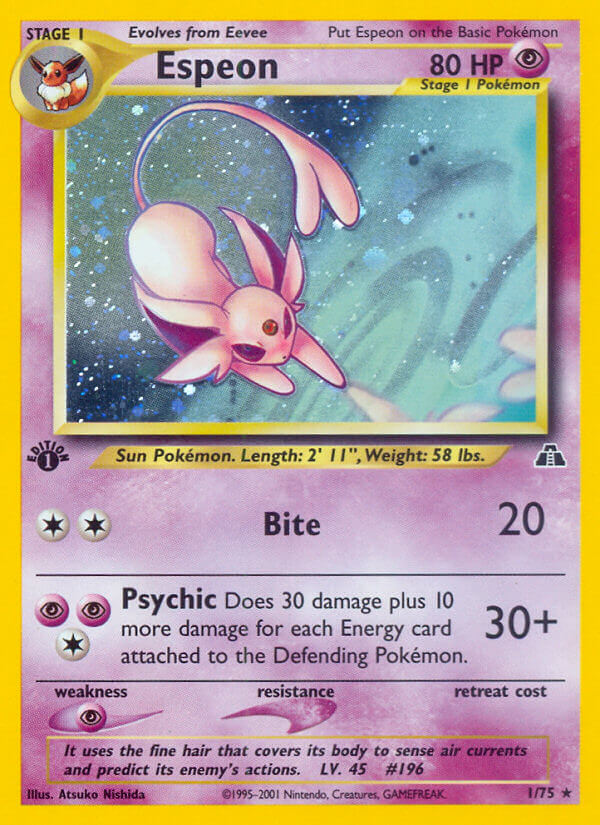
Neo Discovery
Example: Espeon #1, Holo Rare.
Wizards-era expansion marks sit on or just to the right of the species line below the art. Match that small mark first, then confirm the bottom collector number.
WotC expansion symbolMatch each marked zone against the set icon, stamp, and collector number before opening the exact card record.
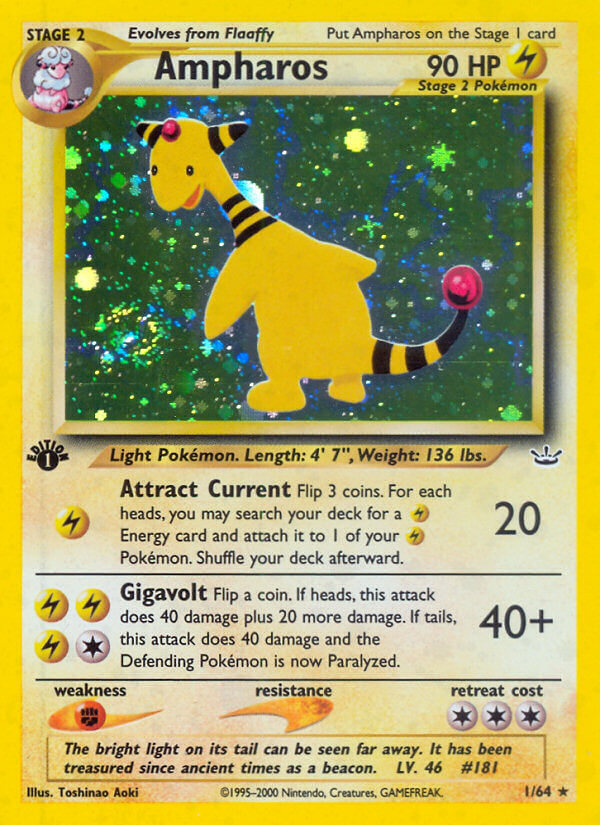
Neo Revelation
Example: Ampharos #1, Holo Rare.
Wizards-era expansion marks sit on or just to the right of the species line below the art. Match that small mark first, then confirm the bottom collector number.
WotC expansion symbolMatch each marked zone against the set icon, stamp, and collector number before opening the exact card record.
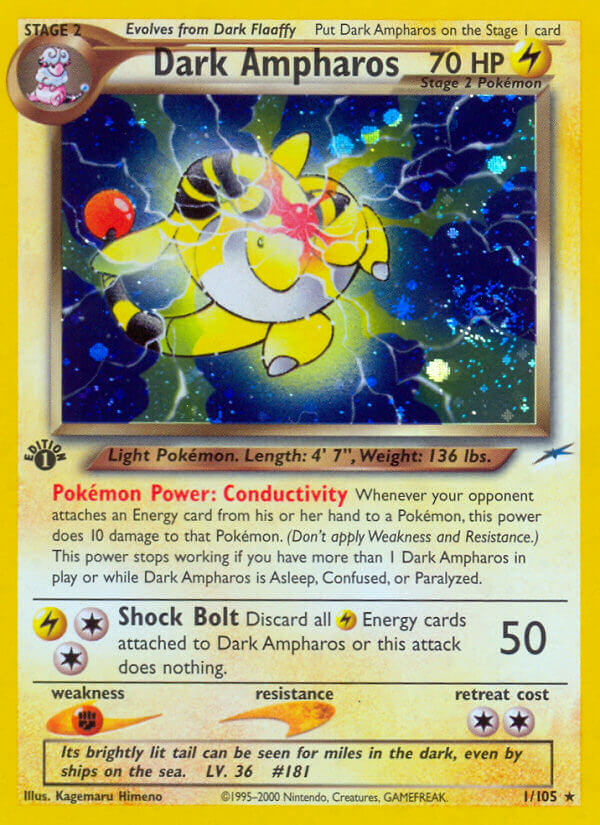
Neo Destiny
Example: Dark Ampharos #1, Holo Rare.
Wizards-era expansion marks sit on or just to the right of the species line below the art. Match that small mark first, then confirm the bottom collector number.
WotC expansion symbolMatch each marked zone against the set icon, stamp, and collector number before opening the exact card record.
Gym
2 sets in this snapshot
Gym
2 sets in this snapshot
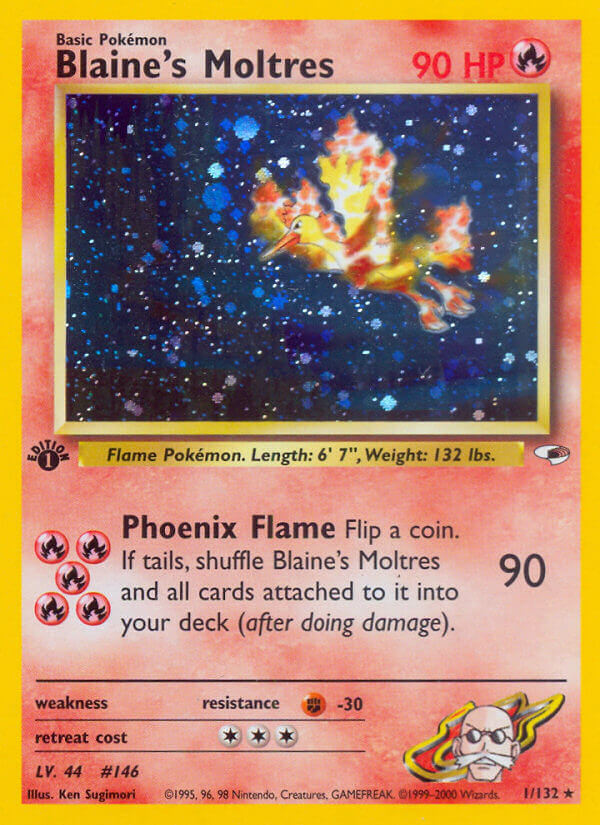
Gym Heroes
Example: Blaine's Moltres #1, Holo Rare.
Wizards-era expansion marks sit on or just to the right of the species line below the art. Match that small mark first, then confirm the bottom collector number.
WotC expansion symbolMatch each marked zone against the set icon, stamp, and collector number before opening the exact card record.
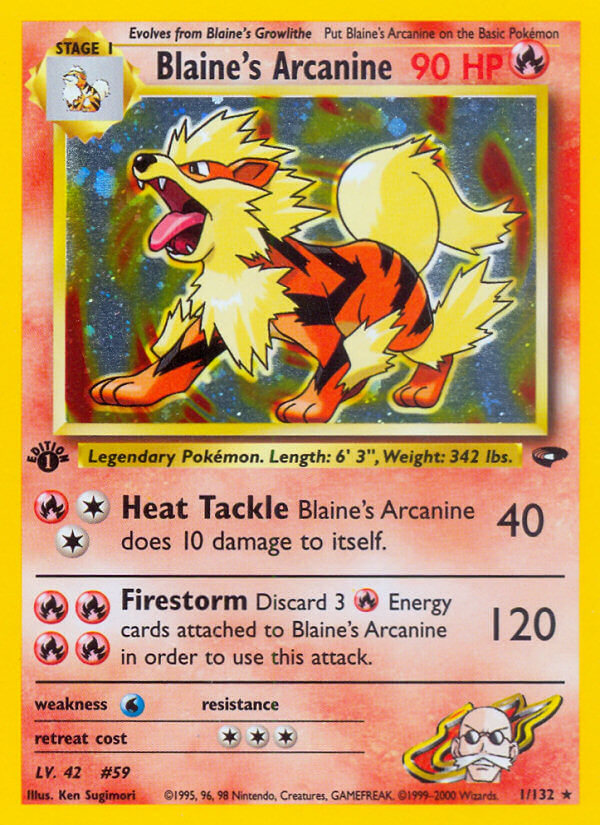
Gym Challenge
Example: Blaine's Arcanine #1, Holo Rare.
Wizards-era expansion marks sit on or just to the right of the species line below the art. Match that small mark first, then confirm the bottom collector number.
WotC expansion symbolMatch each marked zone against the set icon, stamp, and collector number before opening the exact card record.
Base
7 sets in this snapshot
Base
7 sets in this snapshot
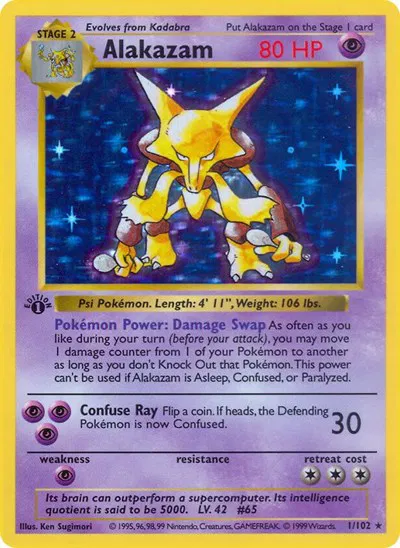
Base Set (1st Edition & Shadowless)
Example: Alakazam #1, Holo Rare.
English Base Set has no expansion symbol. Use the bottom-right collector number, copyright line, and print traits instead of hunting for a missing logo.
Number lineMatch each marked zone against the set icon, stamp, and collector number before opening the exact card record.
Base Set (Unlimited)
Example: Alakazam #1, Holo Rare.
English Base Set has no expansion symbol. Use the bottom-right collector number, copyright line, and print traits instead of hunting for a missing logo.
Number lineMatch each marked zone against the set icon, stamp, and collector number before opening the exact card record.
Jungle
Example: Clefable #1, Holo Rare.
Wizards-era expansion marks sit on or just to the right of the species line below the art. Match that small mark first, then confirm the bottom collector number.
WotC expansion symbolMatch each marked zone against the set icon, stamp, and collector number before opening the exact card record.
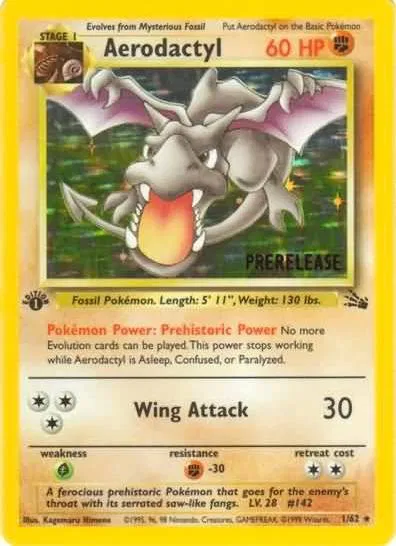
WoTC Promo
Example: Aerodactyl (Prerelease) #01/62, Promo.
This WotC promo example uses a visible Prerelease stamp, a normal expansion symbol near the species line, and the bottom collector number. Check all three before treating it as a normal Fossil copy.
Prerelease stampWotC expansion symbolCollector numberMatch each marked zone against the set icon, stamp, and collector number before opening the exact card record.
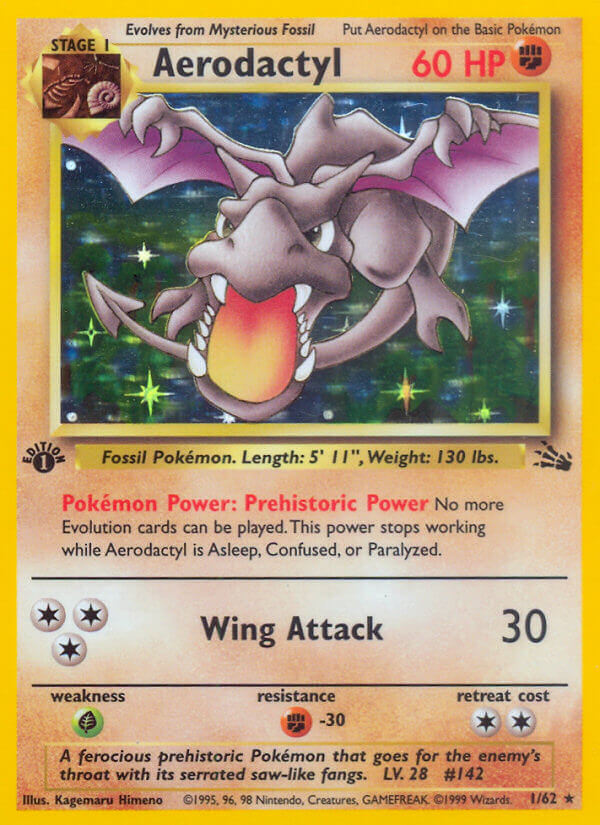
Fossil
Example: Aerodactyl #1, Holo Rare.
Wizards-era expansion marks sit on or just to the right of the species line below the art. Match that small mark first, then confirm the bottom collector number.
WotC expansion symbolMatch each marked zone against the set icon, stamp, and collector number before opening the exact card record.
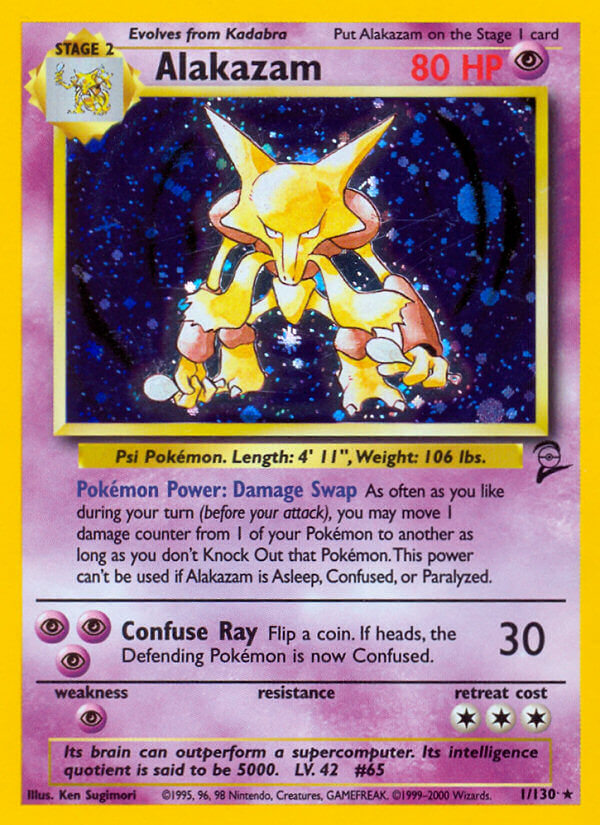
Base Set 2
Example: Alakazam #1, Holo Rare.
Wizards-era expansion marks sit on or just to the right of the species line below the art. Match that small mark first, then confirm the bottom collector number.
WotC expansion symbolMatch each marked zone against the set icon, stamp, and collector number before opening the exact card record.
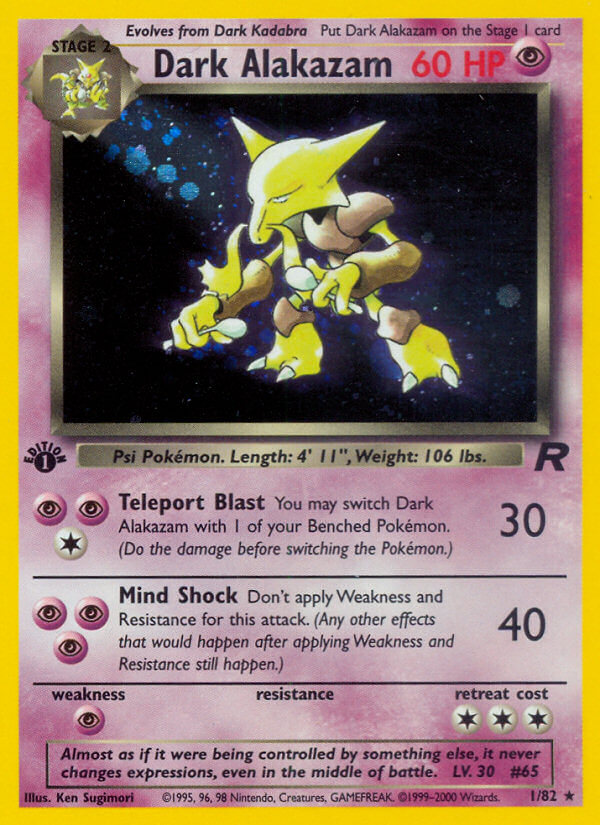
Team Rocket
Example: Dark Alakazam #1, Holo Rare.
Wizards-era expansion marks sit on or just to the right of the species line below the art. Match that small mark first, then confirm the bottom collector number.
WotC expansion symbolMatch each marked zone against the set icon, stamp, and collector number before opening the exact card record.
Other
18 sets in this snapshot
Other
18 sets in this snapshot
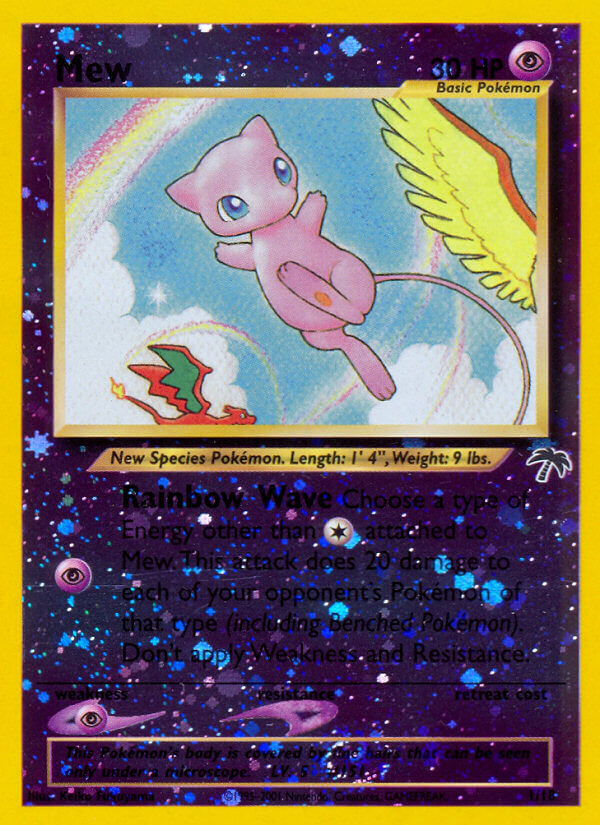
Southern Islands
Example: Mew #1, Promo.
Wizards-era expansion marks sit on or just to the right of the species line below the art. Match that small mark first, then confirm the bottom collector number.
WotC expansion symbolMatch each marked zone against the set icon, stamp, and collector number before opening the exact card record.
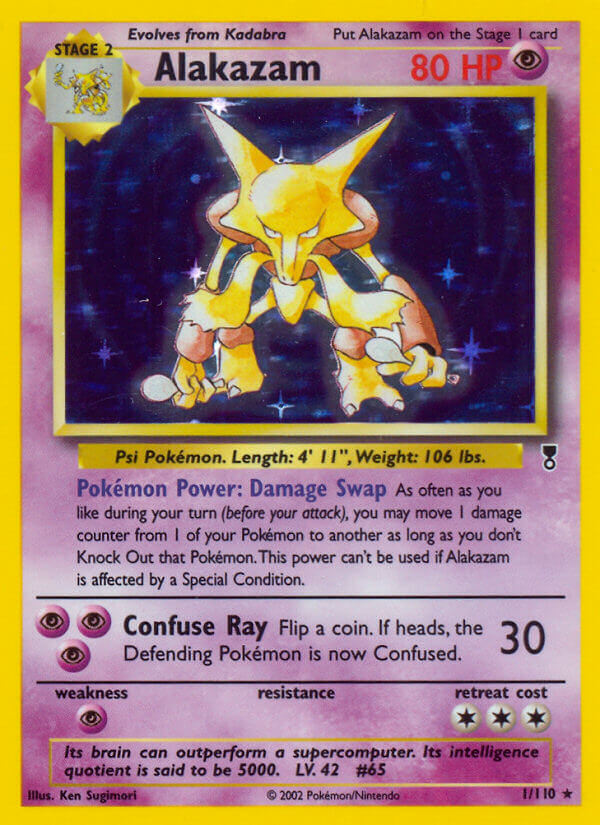
Legendary Collection
Example: Alakazam #1, Holo Rare.
Wizards-era expansion marks sit on or just to the right of the species line below the art. Match that small mark first, then confirm the bottom collector number.
WotC expansion symbolMatch each marked zone against the set icon, stamp, and collector number before opening the exact card record.
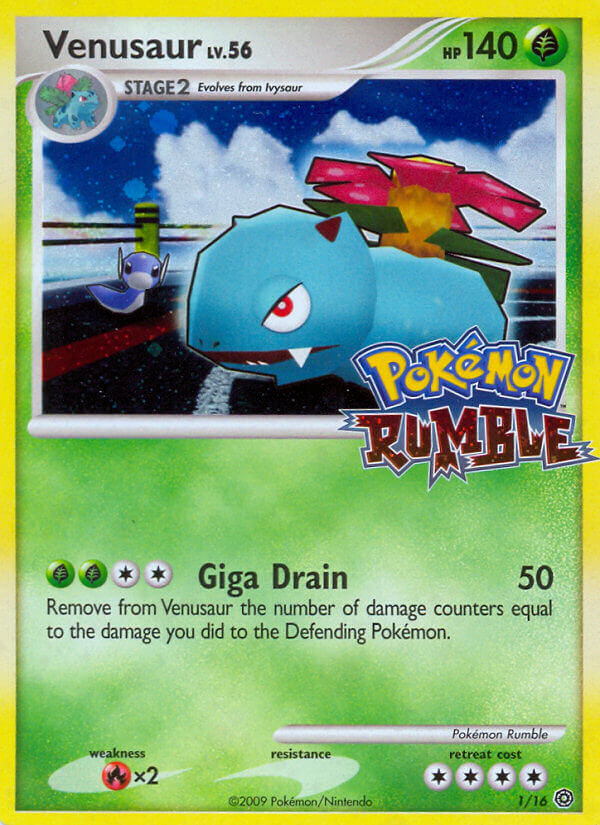
Rumble
Example: Venusaur #1, Promo.
Pokemon Rumble cards carry a large Rumble logo in the art and a smaller set mark/number at the bottom-right. Use both before comparing the card.
Rumble logoSet mark/numberMatch each marked zone against the set icon, stamp, and collector number before opening the exact card record.
McDonald's Promos 2011
On this promo-era layout, the promo mark or expansion mark and number sit near the lower-right identity line. Confirm any stamped product source separately.
McDonald's Promos 2012
Example: Servine #1, Promo.
On this promo-era layout, the promo mark or expansion mark and number sit near the lower-right identity line. Confirm any stamped product source separately.
Promo mark/numberMatch each marked zone against the set icon, stamp, and collector number before opening the exact card record.
McDonald's Promos 2014
Example: Weedle #1, Promo.
On this promo-era layout, the promo mark or expansion mark and number sit near the lower-right identity line. Confirm any stamped product source separately.
Promo mark/numberMatch each marked zone against the set icon, stamp, and collector number before opening the exact card record.
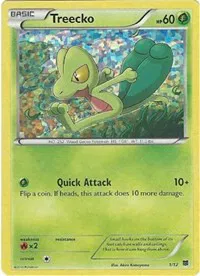
McDonald's Promos 2015
Example: Treecko #1, Promo.
On this promo-era layout, the promo mark or expansion mark and number sit near the lower-right identity line. Confirm any stamped product source separately.
Promo mark/numberMatch each marked zone against the set icon, stamp, and collector number before opening the exact card record.
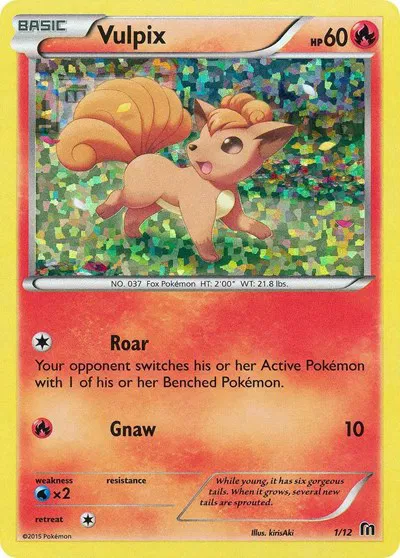
McDonald's Promos 2016
Example: Vulpix #1/12, Promo.
On this promo-era layout, the promo mark or expansion mark and number sit near the lower-right identity line. Confirm any stamped product source separately.
Promo mark/numberMatch each marked zone against the set icon, stamp, and collector number before opening the exact card record.
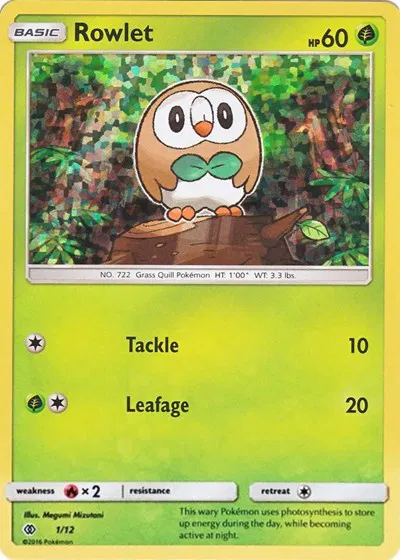
McDonald's Promos 2017
Example: Rowlet #1, Promo.
On this promo-era layout, the promo mark or expansion mark and number sit near the lower-right identity line. Confirm any stamped product source separately.
Promo mark/numberMatch each marked zone against the set icon, stamp, and collector number before opening the exact card record.
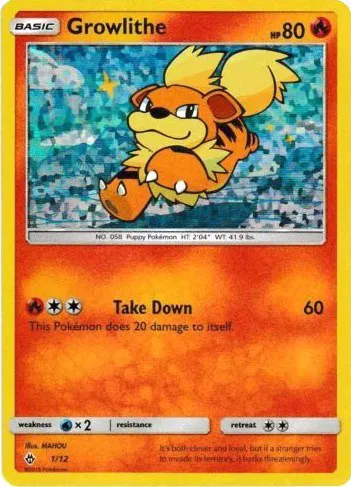
McDonald's Promos 2018
Example: Growlithe #1, Promo.
On this promo-era layout, the promo mark or expansion mark and number sit near the lower-right identity line. Confirm any stamped product source separately.
Promo mark/numberMatch each marked zone against the set icon, stamp, and collector number before opening the exact card record.
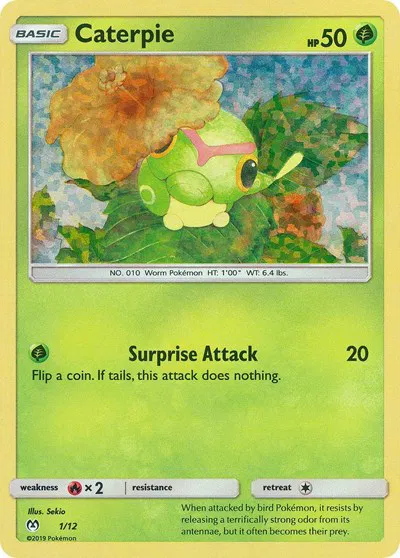
McDonald's Promos 2019
Example: Caterpie #1/12, Promo.
On this promo-era layout, the promo mark or expansion mark and number sit near the lower-right identity line. Confirm any stamped product source separately.
Promo mark/numberMatch each marked zone against the set icon, stamp, and collector number before opening the exact card record.
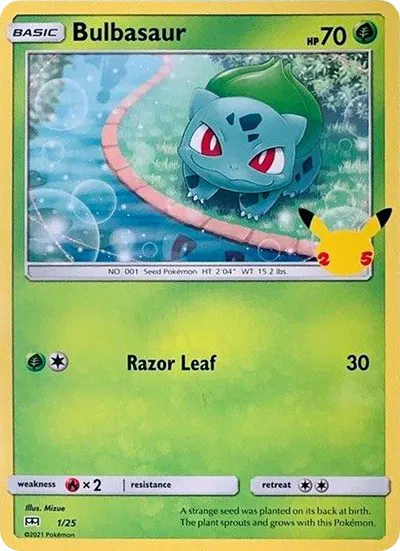
McDonald's 25th Anniversary Promos
Example: Bulbasaur #001/025, Promo.
On this promo-era layout, the promo mark or expansion mark and number sit near the lower-right identity line. Confirm any stamped product source separately.
Promo mark/numberMatch each marked zone against the set icon, stamp, and collector number before opening the exact card record.
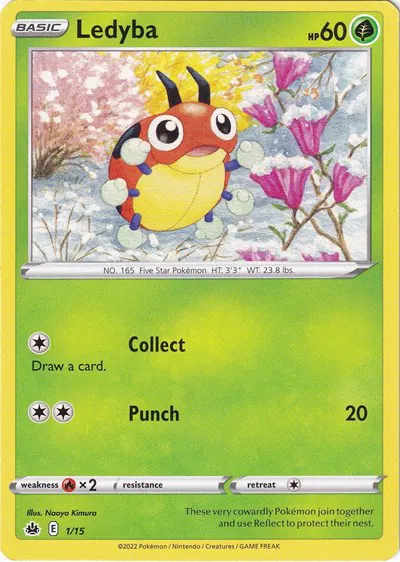
McDonald's Promos 2022
Example: Ledyba #01/15, Common.
On this promo-style layout, use the lower-left promo/set code and collector number first, then confirm the product or distribution source if the card has one.
Promo codeMatch each marked zone against the set icon, stamp, and collector number before opening the exact card record.
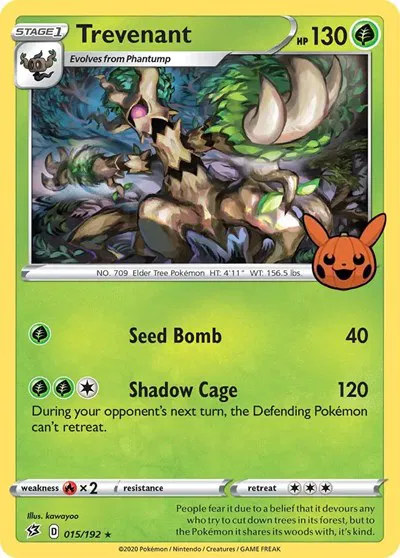
Trick or Trade BOOster Bundle
Example: Trevenant #015/192, Promo.
Trick or Trade reprints are identified by the pumpkin product stamp. After that, use the lower-left set code and collector number to avoid mixing the stamped reprint with the original set card.
pumpkin product stampSet mark/codeMatch each marked zone against the set icon, stamp, and collector number before opening the exact card record.
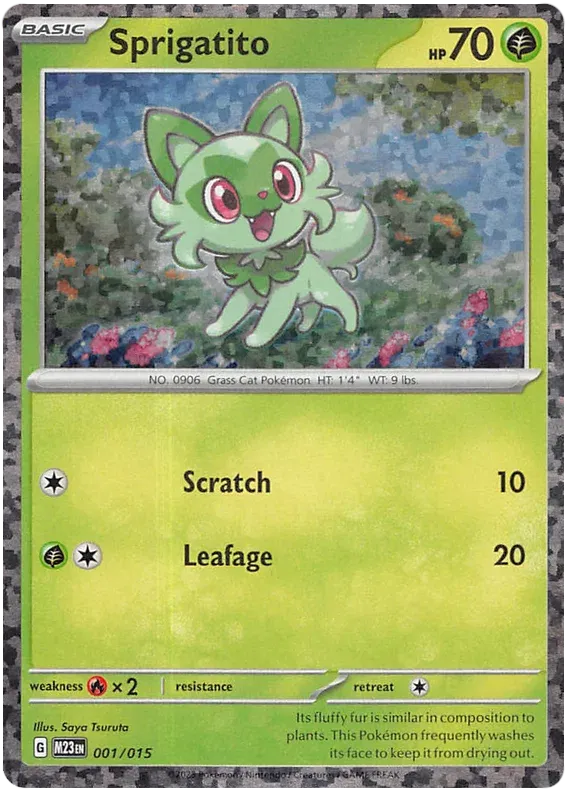
McDonald's Promos 2023
Example: Sprigatito #001/015, Promo.
On this promo-style layout, use the lower-left promo/set code and collector number first, then confirm the product or distribution source if the card has one.
Promo codeMatch each marked zone against the set icon, stamp, and collector number before opening the exact card record.
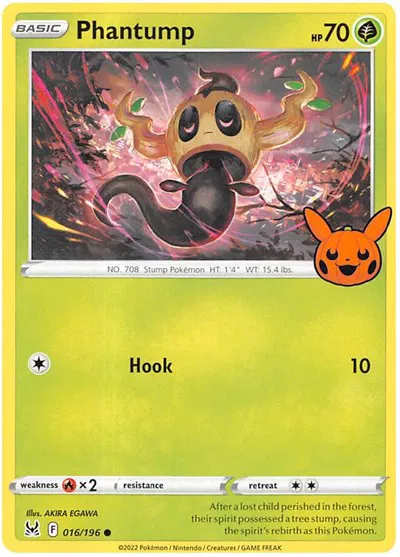
Trick or Trade BOOster Bundle 2023
Example: Phantump #016/196, Common.
Trick or Trade reprints are identified by the pumpkin product stamp. After that, use the lower-left set code and collector number to avoid mixing the stamped reprint with the original set card.
pumpkin product stampSet mark/codeMatch each marked zone against the set icon, stamp, and collector number before opening the exact card record.
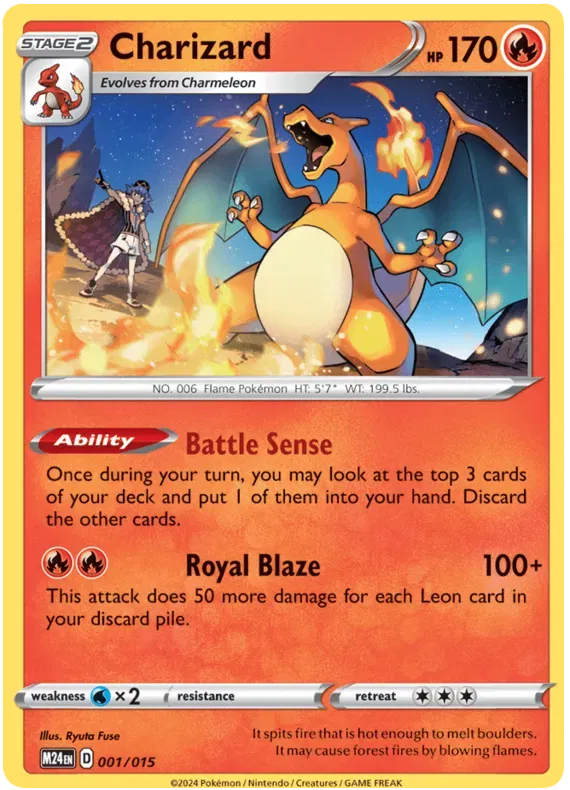
McDonald's Promos 2024
Example: Charizard #001/015, Promo.
On this promo-style layout, use the lower-left promo/set code and collector number first, then confirm the product or distribution source if the card has one.
Promo codeMatch each marked zone against the set icon, stamp, and collector number before opening the exact card record.
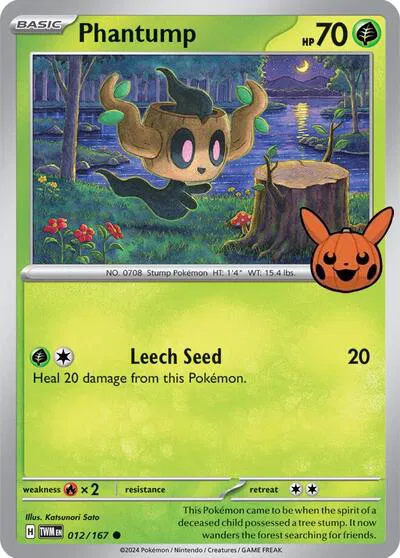
Trick or Trade BOOster Bundle 2024
Example: Phantump #012/167, Common.
Trick or Trade reprints are identified by the pumpkin product stamp. After that, use the lower-left set code and collector number to avoid mixing the stamped reprint with the original set card.
pumpkin product stampSet mark/codeMatch each marked zone against the set icon, stamp, and collector number before opening the exact card record.
Questions about Pokemon set symbols
What is a Pokemon set symbol?
A Pokemon set symbol is the expansion mark printed on a card. Older sets usually use a small icon. Many modern sets use a short code near the collector number. Both identify the expansion, not the rarity.
Where is the set symbol on a Pokemon card?
Start along the lower edge. Many modern cards put the set code near the lower-left, while older post-Expedition cards often use the lower-right. Cards printed before Expedition can place the expansion icon near the illustration. Base Set has no expansion symbol.
Is the set symbol the same as the rarity symbol?
No. The set symbol or code names the expansion. The rarity mark assigns Common, Uncommon, Rare, or a newer premium rarity. Read both before opening a price or collection record.
Why does my Pokemon card have no set symbol?
It may be an original English Base Set card, a promo, a product-specific printing, or a card whose identifier is easy to miss. A holofoil Jungle card may also be from the documented no-symbol error run. Confirm the full collector number, copyright line, language, finish, and any stamp. Then compare it with the normal set printing before you call it an error.
Can the collector number identify the set by itself?
No. Different sets reuse numbers such as 001/ or 021/. Pair the full collector number with the expansion mark or set code and the card name.
What if I cannot match the symbol?
Use the copyright year to narrow the era, inspect both lower corners, and search the exact card name with its full collector number. If a promo stamp is visible, include it. Once the set is clear, open the BinderDex Pokemon set browser and confirm the exact card image.
After you identify the set
Open the BinderDex set page if you are sorting or completing a binder. Open an exact card record if you need the right artwork, number, finish, or condition record.
Use the Pokémon card identification reference hub when the problem crosses set marks, rarity, foil finish, and authenticity. This article owns the card-in-hand set-symbol procedure; the hub owns the wider identity map.
A useful collection note reads like this:
Tropius, Pitch Black, 001/084, English, Common, raw, regular finish.
That note is short because the identity work is already done. If any field changes, you may be looking at a different printing.
Once the record is settled, use the Pokemon card collection tracker guide to keep its set, number, finish, and location together. If a physical detail still disagrees, return to the fake-card checklist before treating the match as final.
Know exactly what is in your collection.
Download BinderDex on iPhone or Android to track exact printings, organize your binders, and follow card and sealed product values in one place.
Prefer mobile?