GameStop PSA Grading: What Collectors Should Check First
A collector decision memo for GameStop PSA grading, including fee, timing, declared value, condition risk, and raw-versus-graded checks.

GameStop can make PSA submission feel simpler. It does not make the grading decision simple.
The real question is not "can I drop this card off?" It is whether the card still makes sense after fee, turnaround, declared value, condition risk, and one-grade downside are written down.
If you cannot write that answer on one note before the counter handoff, the card is not ready for the counter yet.
- As of June 1, 2026, GameStop's public grading page shows $79.99/card, $9.99/order flat shipping, $1,500 declared value, and 40-50 business days.
- The same page says participating-store drop-off uses penny sleeves and cardsavers, and PSA authenticates and grades the cards.
- PSA's direct pricing page shows multiple tiers, including lower-cost options with longer estimated turnaround times.
- GameStop can be a convenience route, not an automatic best route.
- Do the raw value, likely grade, and downside math before submitting.
- Keep the handoff record: exact card list, condition photos, receipt, service terms, and return plan.
The Drop-Off Read
Use GameStop PSA grading when the convenience route fits the card, the current fee makes sense, and the card has enough condition upside to justify the wait and risk.
Do not use it just because the card is popular. A famous card with a likely PSA 8 or PSA 9 outcome can be a worse submission than a less famous card with cleaner condition math.
What GameStop Is Providing
GameStop's public card-grading page says collectors can drop off ungraded standard-size trading cards at participating stores. Cards must be submitted in penny sleeves and cardsavers. PSA authenticates, grades, and slabs the cards, then GameStop notifies the customer when the order is ready.
That is a logistics product. PSA still does the grading, and the collector still owns the submission math.
The current public page checked on June 1, 2026 shows:
| Item | GameStop page currently shows |
|---|---|
| Card grading price | $79.99/card |
| Flat shipping fee | $9.99/order |
| Declared value | $1,500/card |
| Estimated turnaround | 40-50 business days |
| Card minimum | No card minimum |
| Subscription | No subscription required |
These details can change. Check the current GameStop page and terms before submitting anything.
The Submission Veto Checklist
Before grading, try to veto the submission. If the card survives the vetoes, then the route may deserve more work.
| Check | Submit only if | Pause if |
|---|---|---|
| Exact identity | Set, number, variant, language, and condition are clear | You are still pricing by character name |
| Raw value | Raw value supports the fee and wait | The fee eats most of the realistic upside |
| Likely grade | PSA 9/10 range is realistic after inspection | PSA 8 or lower would erase the reason to grade |
| Declared value | Current value fits the service terms | A high-value card may trigger added fees or needs a different route |
| Timing | 40-50 business days is acceptable | You need liquidity or certainty quickly |
| Handoff record | You have photos, card list, receipt, and route notes | You are trusting memory after the card leaves your hands |
Card Examples
High-end modern cards are where the decision becomes serious.
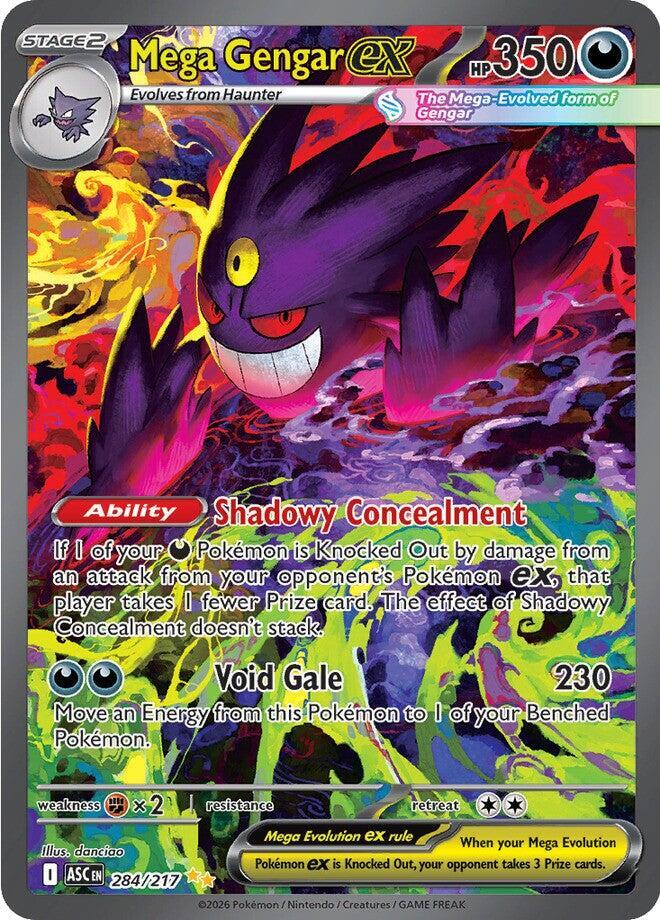
A card at this level deserves a full condition and fee review before any grading route. The raw price alone does not guarantee PSA 10 math.
Price and chart data update with BinderDex · Last refreshed Oct 11, 2026. Editorial commentary reflects the article's published snapshot.
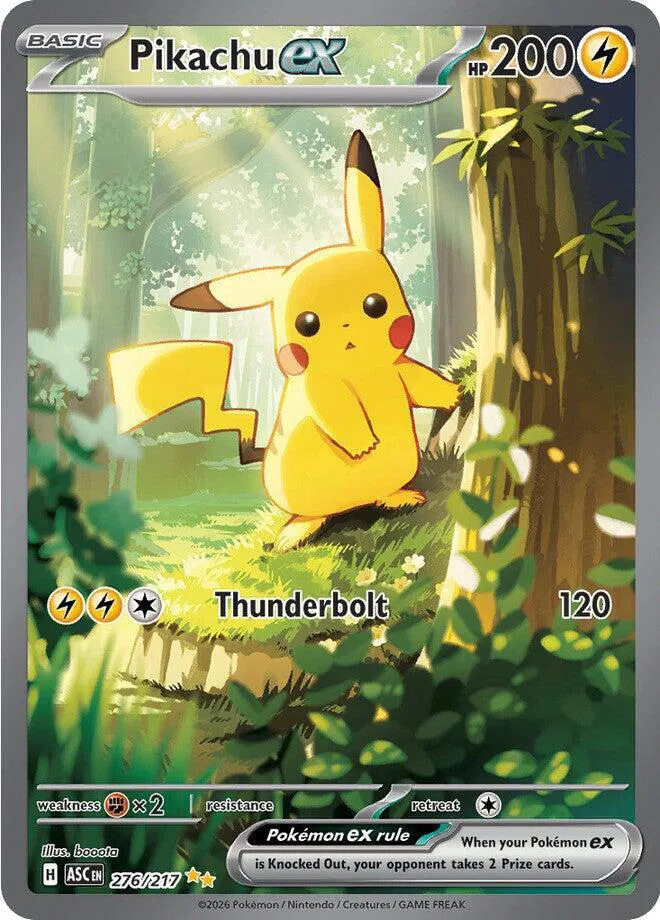
Popular character demand can make grading tempting, but condition and one-grade downside still decide whether the route is useful.
Price and chart data update with BinderDex · Last refreshed Oct 11, 2026. Editorial commentary reflects the article's published snapshot.
A lower raw card can still deserve grading if the collector goal is protection, registry fit, or long-term personal display. But that should be an intentional collection choice, not an assumption that every clean card should be slabbed.

Newer set cards need extra launch-window caution. A grading decision should not depend on one unstable early price.
Price and chart data update with BinderDex · Last refreshed Oct 12, 2026. Editorial commentary reflects the article's published snapshot.
Compare GameStop To Direct PSA Tiers
PSA's own pricing page checked on June 1, 2026 shows several direct tiers, including Value Bulk at $24.99/card with a 50-card minimum and Collectors Club requirement, Value at $32.99/card, Value Plus at $49.99/card, Value Max at $64.99/card, and Regular at $79.99/card.
That does not automatically make one route better. It means GameStop's convenience should be compared against PSA's direct tier, card count, membership requirement, turnaround estimate, declared value cap, and your tolerance for in-store drop-off.
Why PSA 10 Hope Is Not A Plan
PSA defines a Gem Mint 10 as virtually perfect, with sharp corners, original gloss, no staining, and strict centering tolerance. PSA also says it will not grade cards showing trimming, recoloring, restoration, other tampering, or questionable authenticity.
That turns the inspection into a real gate.
Look for:
- back-edge whitening,
- corner ticks,
- surface dents,
- print lines,
- centering,
- gloss issues,
- residue,
- bends or pressure marks,
- alteration or authenticity concerns.
If the card has a defect you would be nervous to photograph, do not let PSA 10 pricing drive the decision.
What To Document Before Drop-Off
Treat the counter handoff like a shipment. Photograph the front and back of every card, take one angled surface photo for condition-sensitive cards, and save a short list with card name, set, number, language, finish, and declared value lane. Keep the receipt and the current terms you relied on.
That record is not busywork. It protects three things: the exact card you submitted, the condition you believed it had before handoff, and the route you chose if the card returns lower than expected. Without that record, a grading decision can turn into a memory argument.
For higher-context cards, also write the stop condition. Example: "Do not submit if PSA 9 after cost is weaker than raw hold." That sentence keeps the convenience route from becoming a PSA 10 wish.
Where BinderDex Fits
BinderDex should handle the pre-grade math:
- Find the exact card page.
- Check current raw/NM context.
- Compare likely PSA 9 and PSA 10 outcomes separately.
- Add grading fee, shipping, turnaround, and risk.
- Decide whether the route is collection protection, value spread, or no action.
The clean route is simple: submit through GameStop only when convenience matters, the official terms fit the card, the downside grade still works, and the handoff record is good enough that you would trust it six weeks later.
If you are still learning the inspection side, start with How To Grade Pokemon Cards. If the fee is the main question, use How Much Does It Cost To Grade A Pokemon Card?. If the spread is the question, use PSA 10 vs PSA 9.
- Fee changes: GameStop and PSA pricing can change. Risk: old fee math makes a bad submission look fine.
- Declared value: High-value cards can require extra review or different service choices. Risk: surprise fees or wrong route.
- One-grade downside: Compare PSA 9 and PSA 10 before assuming the top outcome. Risk: optimistic grading math hides the real outcome.
- Launch-window prices: New set cards can move before the card returns. Risk: the market changes while the card is away.
Know exactly what is in your collection.
Download BinderDex on iPhone or Android to track exact printings, organize your binders, and follow card and sealed product values in one place.
Prefer mobile?