How To Sell Pokemon Cards Without Undervaluing Your Collection
Sort the collection before you list the cards.
To sell Pokemon cards without undervaluing your collection, separate cards that need individual review from bulk, duplicates, damaged cards, and personal keeps before choosing a venue.
The point is not to maximize every low-context card. The point is to avoid selling blind: wrong version, wrong condition lane, hidden keeper, or a headline price that ignores fees, shipping, and effort.
Undervaluing usually starts before the buyer appears. It starts when the sell pile is built faster than the collection is understood.
- Pull keeper cards before building a sell pile.
- Identify cards by set, number, finish, language, and condition before using character name as shorthand.
- Treat slabs, clean vintage, scarce promos, and modern chase cards as review cards.
- Compare rough net after current costs, shipping, supplies, and time.
- Keep bulk, damaged cards, and duplicates in clearly labeled piles.
- Write the reason a card can leave. "Duplicate after binder copy kept" is a cleaner reason than "price looked good today."
Sort before pricing
Start with a table sort, not a price lookup. The first pass is about purpose: what stays, what needs review, what can be grouped, and what is not ready.
Use six piles:
- Clear single-card review
- Possible grading candidates
- Binder keeps and set-completion cards
- Bulk and low-context duplicates
- Damaged or altered cards
- Hold or verify
That last pile matters. A stamped promo you cannot identify, a Japanese card with the wrong set guess, or a childhood holo with a crease should not be priced from the first source that appears.
Use Portfolio to keep the collection organized while you sort. Mark cards as keep, sell, hold, grade research, bulk, or lot candidate so the decision stays attached to the actual card.
Separate review cards from bulk
Review cards are the ones where identity or condition can change the decision. Clean vintage holos, popular illustration rares, slabs, stamped promos, sealed promos, and scarce variants usually deserve more care than ordinary duplicates.
Bulk is different. Modern commons, uncommons, duplicate trainers, played filler, and extra reverse holos often do not deserve the same amount of pricing work after the keeper pass.
The mistake is treating both groups the same. Overworking bulk burns time. Underworking a strong single can bury a meaningful card inside a low-context lot.
| Pile | Example | Useful path | Watch for |
|---|---|---|---|
| Review single | Clean vintage holo, slab, popular illustration rare, scarce promo. | Card-level pricing, condition photos, possible local inspection, or hold/watch. | Pricing the wrong version or skipping condition evidence. |
| Grading research | Clean card where the likely grade could change the plan. | Raw-versus-graded comparison before spending time or money. | Treating grading as automatic when cost, timeline, and grade risk are unclear. |
| Themed lot | One Pokemon, one set range, playable trainers, reverse holos, played vintage. | Clear count, condition range, duplicate note, and exclusions. | Letting one strong single carry the whole lot. |
| Bulk | Low-context volume after keepers are pulled. | Bulk, trade, donation, set-filler, or local review pile. | Sorting fatigue that leaves textured, stamped, or vintage cards behind. |
| Keep or hold | Binder anchor, favorite Pokemon, incomplete set page, unclear identity. | Collection note, watchlist, or verify pile. | Moving a card because one current price looked high or low. |
Price singles with care
For meaningful cards, price the copy, not the character. A Charizard search can mix set numbers, promos, reprints, languages, finishes, grades, and damaged copies. The same problem happens with Pikachu, Eevee, Gengar, Rayquaza, and most popular Pokemon.
Start with card pages, then compare current sold or market context for the same version and condition. If the card is slabbed, compare the same grade and grading company when enough data exists.
Condition is not decoration. Whitening, dents, surface scratches, bends, stains, and edge wear can move a card into a different buyer expectation even when the front looks clean in a sleeve.
For a high-context single, write a short note before choosing a path:
- Exact card and variant
- Raw or graded
- Condition concerns
- Recent comparable range
- Binder role or reason it can leave
- Packaging or inspection needs
That note protects the decision from memory drift. It also makes local shop, card show, direct collector, and marketplace comparisons cleaner.
It also lowers dispute risk. A seller with front/back photos, plain flaw notes, and a current route is in a stronger position than a seller relying on "looks clean to me."
A strong modern single should stay attached to exact identity, condition notes, and recent comparable context before it joins any sell pile.
Price and chart data update with BinderDex · Last refreshed Oct 11, 2026. Editorial commentary reflects the article's published snapshot.
Real sell-pile examples
These examples use BinderDex production RDS evidence queried on June 4, 2026. TCGplayer condition rows listed here were updated in BinderDex on May 18, 2026, so use them as route evidence, not live-sale promises.
A good sell pile separates four-figure review singles, variant-sensitive cards, condition-sensitive promos, and older holos before choosing a channel.
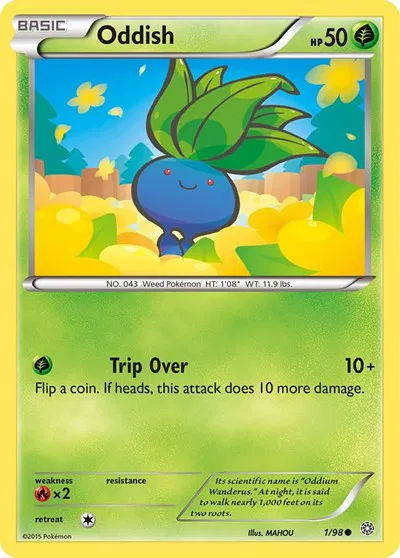
| Card in the collection | Rows checked | Better route | Why this avoids undervaluing |
|---|---|---|---|
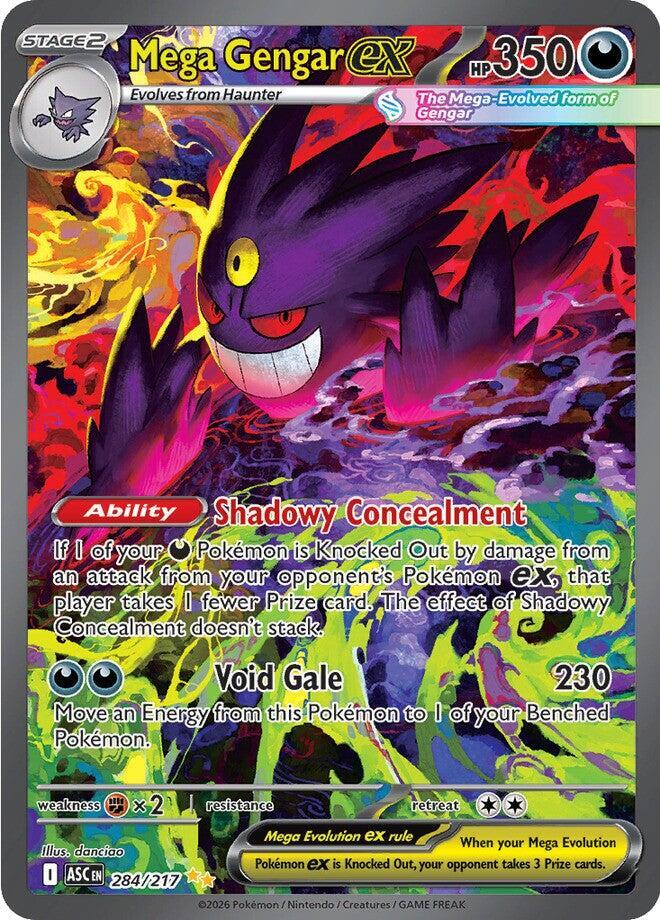
| Mega Gengar ex, Ascended Heroes, 284/217 | Collectr NM holo $1,360.59; TCGplayer NM holo $1,316.45; TCGplayer MP $512.68 | Individual review single with front/back photos and condition notes. | A condition miss can move the card by hundreds of dollars, so it should not ride inside a mixed lot. |
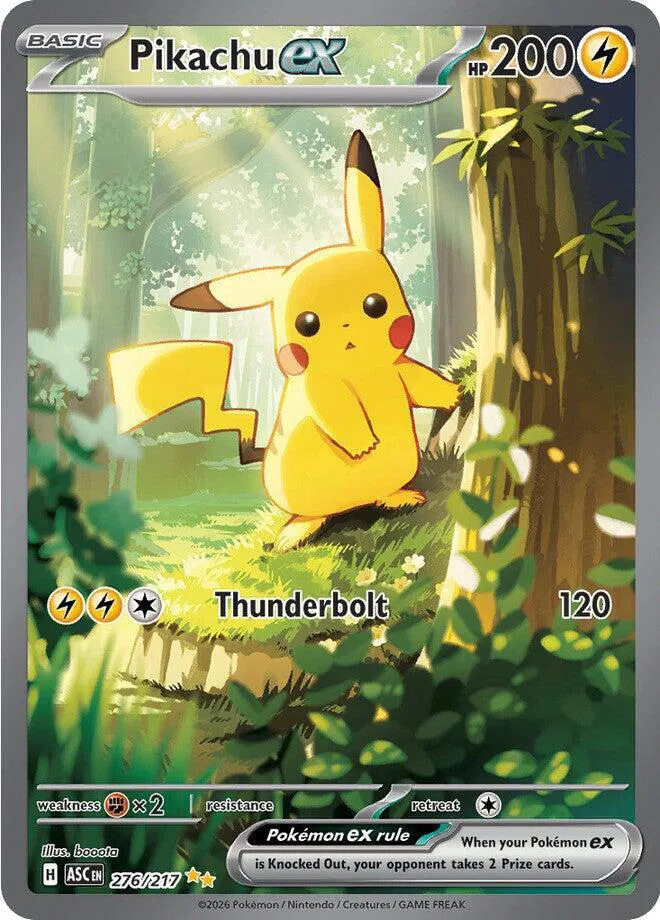
| Pikachu ex, Ascended Heroes, 276/217 | TCGplayer NM $1,224.19; LP $856.97 | Individual listing, direct collector, or hold/watch after condition check. | The LP gap is large enough that the back photo matters before the price does. |
| Charizard, Base Set, 4 | Collectr NM 1st Edition Holofoil $16,800.00; Collectr NM Shadowless Holofoil $2,146.38 | Variant verification before any venue choice. | Edition, shadowless status, and finish can change the route before condition or fees enter. |
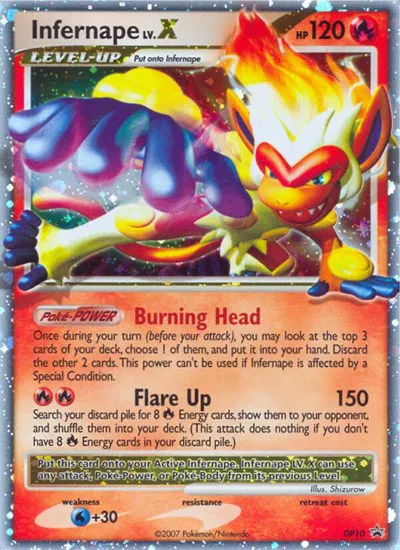
| Infernape Lv.X, Diamond and Pearl Promos, DP10 | TCGplayer NM $77.82; LP $39.51; MP $20.30; HP $10.84; Damaged $8.82 | Exact-card review, then sale or played-card disclosure. | An older promo can be meaningful even when condition pulls it out of the clean lane. |
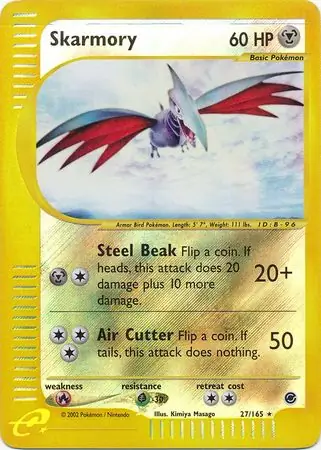
| Skarmory, Expedition, 27, Holofoil | TCGplayer NM $76.00; LP $62.36; MP $39.52; HP $33.11; Damaged $23.53 | Finish and condition review before lotting. | Holofoil versus reverse holofoil mismatch can undervalue the card even if the condition call is fair. |
Compare net price and effort
The visible sale price is not the same as the useful sale outcome. For each meaningful card or pile, compare rough net after current platform costs, shipping materials, postage, insurance if relevant, optional promotion, travel, table fees, and time.
Use ranges instead of fake precision. If sold context points to a card around $120, compare the likely online net against a local offer only after costs and risk are included. If the rough net is close, speed and inspection may matter more.
For a $5 to $10 card, the math often changes. The card can be worth identifying and still not worth individual photos, listing copy, messages, packing, and shipment tracking. A themed lot or local review pile may use effort better.
- Expected range: Same card, same variant, same condition lane, and same grade if slabbed.
- Current costs: Marketplace fee pages, payment or transaction costs, postage, materials, and optional promotion.
- Effort cost: Photos, title, condition notes, messages, packing, travel, and issue handling.
- Risk check: Condition disagreement, shipping damage, stale comps, or weak buyer understanding.
- Collection cost: Whether moving the card weakens a binder, set, or character page.
Choose a path for each pile
The cleanest path depends on what the pile is, not on a universal best marketplace.
A high-value single may fit marketplace reach when the card photographs well and comps are clear. A card show or direct collector conversation may fit when surface, centering, or slab eye appeal needs in-person trust. A local shop may fit when speed and inspection matter more than broader reach.
A played vintage page may not need twelve separate listings. If condition varies, a condition-disclosed vintage lot can be clearer than forcing every card into a weak single listing.
A duplicate modern box can split three ways: playable trainers in one pile, reverse holos or set filler in another, and ordinary bulk after the keeper check. That is more useful than one vague collection lot.
Cards with thin evidence can stay in hold/watch. Selling is not the only valid outcome when the identity is unclear, comps are messy, or the card still supports a collection goal.
The clean route is mixed: review the cards that can change the outcome, group the cards where grouping is honest, and hold anything where the value evidence or collection reason is unresolved.
Know what you are keeping
Some cards are worth more to your collection than to a buyer. Favorite Pokemon, first pulls, and binder anchors can be rational keeps even when they have sale value.
Selling is easier when your collection goals are visible. A card that completes a page, preserves a childhood memory, or anchors a character run should not be treated as leftover inventory just because it has a current price.
This is where undervaluing often happens. The problem is accepting too little money or losing cards that mattered to the collection because the sell pile was built faster than the collection plan.
How BinderDex fits
BinderDex keeps the sale decision near the card record. Use Portfolio for owned-card context, Watchlist for cards that need more price history, and Explore when identity is not settled.
Before a card leaves the collection, leave a plain note: keep, review single, local shop pile, card show pile, grade research, group as lot, bulk, or hold/watch.
That note makes the next pass faster. It also protects against selling a card because the box was messy, the first comp looked exciting, or the low-effort path felt easier in the moment.
For mostly volume, pair this with how to sell bulk Pokemon cards without missing the keepers. For channel choice, use where to sell Pokemon cards.
FAQ
How do I avoid undervaluing Pokemon cards before selling?
Start with sorting. Pull keepers, review singles, grading candidates, damaged cards, and bulk before pricing. Then compare same-version, same-condition context instead of pricing from name alone.
Should I price every Pokemon card individually?
Not usually. Meaningful singles deserve card-level pricing. Low-context duplicates and bulk usually need a keeper pass, clear grouping, and enough review to avoid hiding a stronger card.
Should I grade cards before selling?
Only when the card identity, condition, raw value, likely grade range, grading cost, and timeline support more research. Grading adds cost and uncertainty, so it should not be treated as a shortcut.
What if I am not sure a card should leave the collection?
Use hold/watch. A card can have sale value and still belong in a binder, set, character page, or personal collection goal.
What to watch next
- Wrong version: Check set number, finish, language, promo marks, and grade. Risk: A name-only comp can point to a different card.
- Condition optimism: Photograph and note flaws plainly. Risk: A strong headline price can disappear if the condition call is challenged.
- Hidden keepers: Pull binder anchors before building lots. Risk: The collection can lose cards that mattered more than their sale value.
- Net-price blur: Compare current costs and effort. Risk: A higher visible sale price can look better than it is.
Know exactly what is in your collection.
Download BinderDex on iPhone or Android to track exact printings, organize your binders, and follow card and sealed product values in one place.
Prefer mobile?