How To Sell Bulk Pokemon Cards Without Missing The Keepers
Sell the pile after the keeper pass.
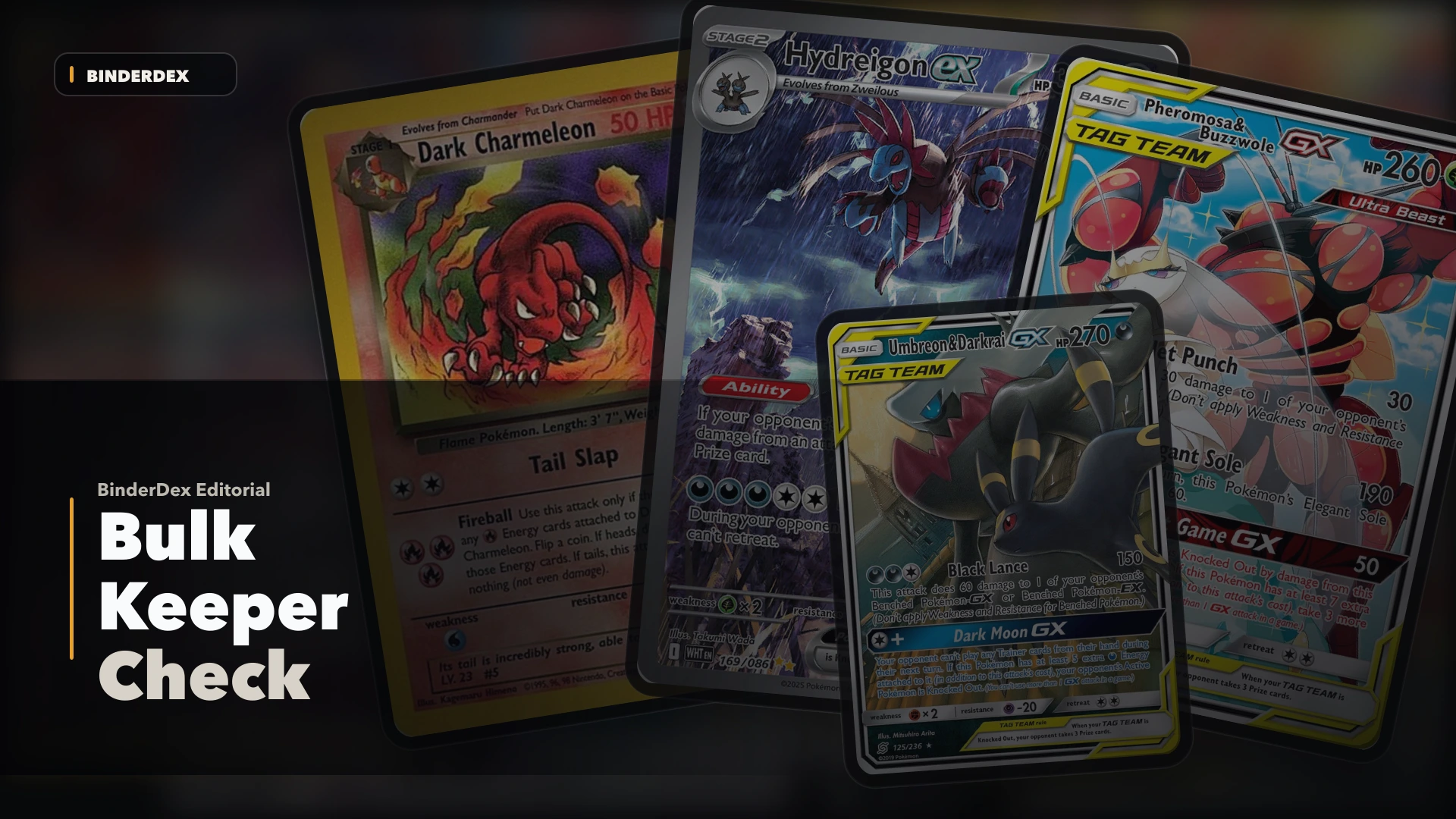
Bulk is where good cards go to disappear when the sorting step is lazy. Before the pile leaves the table, the keeper pass needs to pull out anything with set, condition, character, or single-card reasons to stand apart.
- Sort one box into keep, verify, single, bulk, and damaged before choosing a route.
- Pull set needs, favorite Pokemon, promos, holos, older cards, playable trainers, and clean condition outliers.
- Describe what remains with counts, era mix, duplicate density, condition range, and exclusions.
- Compare a shop route, themed lot, trade pile, donation, or singles route against the pile you actually sorted.
- Keep photos and notes before the cards leave.
- Separate damaged cards before the final count, unless the lot description is intentionally a damaged-card lot.
The Keeper-Pass Read
To sell bulk Pokemon cards without missing the keepers, do one keeper pass first, split the remaining cards by route, and describe the lot plainly. Bulk rewards speed, but collection mistakes usually come from skipping context.
Most bulk routes are decided before the listing exists. A 1,200-card recent-set duplicate box is different from a childhood binder emptied into a shoebox. The first may need a quick pull pass. The second needs exact-card review before it deserves the word bulk.
The keeper pass protects cards with personal fit, set utility, unusual identity, older-era context, or condition that deserves individual attention.
- Keeper pass: Cards removed before the bulk route. Pull holos, promos, older cards, textured cards, favorite Pokemon, set needs, and odd condition.
- Route clarity: Local shop, marketplace lot, trade, donation, or hold. The route follows the pile, not the other way around.
- Condition honesty: Clean, played, damaged, mixed. Bulk buyers and lot buyers need realistic expectations.
- Documentation: Photos, counts, excluded cards, era notes. Good notes reduce disputes and keep the seller from forgetting what was removed.
Judge the route by the exclusions as much as the cards inside the lot. The lot is cleaner when the description can explain the keeper pass, the condition range, and why the remaining cards fit the route.
![Dark Charmeleon [W Stamped]](https://assets.binderdex.com/collectr/pkmn/wotc-promo/180834.jpg)
Stamped, promo, and older cards are exactly why bulk needs a keeper pass. The route should be set after exact identity is checked.
Price and chart data update with BinderDex · Last refreshed Oct 12, 2026. Editorial commentary reflects the article's published snapshot.
What Bulk Is Worth After Sorting
Bulk value is route-based. A shop buylist, a local trade pile, a themed marketplace lot, a donation box, and a set-filler tray all ask different questions. The number only becomes useful after the keeper pass tells you what is still in the box.
The practical question is not "what is the rate?" first. It is "which cards are still in the pile?" Modern commons, uncommons, energies, duplicate rares, played filler, and true extras may belong to a bulk route. Holos, promos, vintage, textured cards, playable trainers, popular character cards, reverse holos for master sets, and clean older cards need a pull-first check.
Do not weigh or count the pile first and call that the sale plan. Count after the keeper pass. A heavy box with one unpulled promo is bulk with a sorting miss built into the rate.
| Pile after review | Best route to compare | Check first | Watch out for |
|---|---|---|---|
| True modern duplicate bulk | Local shop, trade, donation, broad lot | Current buyer requirements, count, condition | Stale bulk-rate claims and shipping drag |
| Set-filler or Pokedex extras | Trade, local collector, organized lot | Set range, missing-number utility, duplicates | Treating useful filler like anonymous volume |
| Playable trainers or staples | Trade, singles pile, themed lot | Current play demand and same-card price context | Losing a card that moves because players need it |
| Older holos, promos, variants | Exact-card review before any bulk sale | Set, number, finish, condition, and sold context | Pricing a review card as volume |
| Damaged or mixed-condition | Separate disclosure or exclusion | Damage type, photos, and buyer route | Quietly mixing damage into a cleaner lot |
Avoid fixed bulk-rate promises unless a current buyer page or local offer supports them. Rates move with retailer demand, shipping costs, set cycles, and buyer appetite. When the pile has a clear theme or era, compare the bulk route against selling Pokemon cards individually or as a lot before you treat speed as the only goal.
The Bigger Collector Issue
The dangerous shortcut is calling a pile bulk because the sorting session got boring. That can work for true modern filler after review. It does not work for mixed-era cards, unreviewed holos, promos, language variants, or cards that still serve a binder goal.
The buyer also deserves clarity. A bulk listing should not hint at hidden hits when the hits were removed. It should say what the pile is, what it is not, and why that route fits.
When the cards form a theme, era, or set run, compare the bulk route with selling Pokemon cards individually or as a lot. "900 Sword and Shield era cards, holos removed, heavy duplicates" is a different listing from "mixed binder lot, older cards included, condition varies."
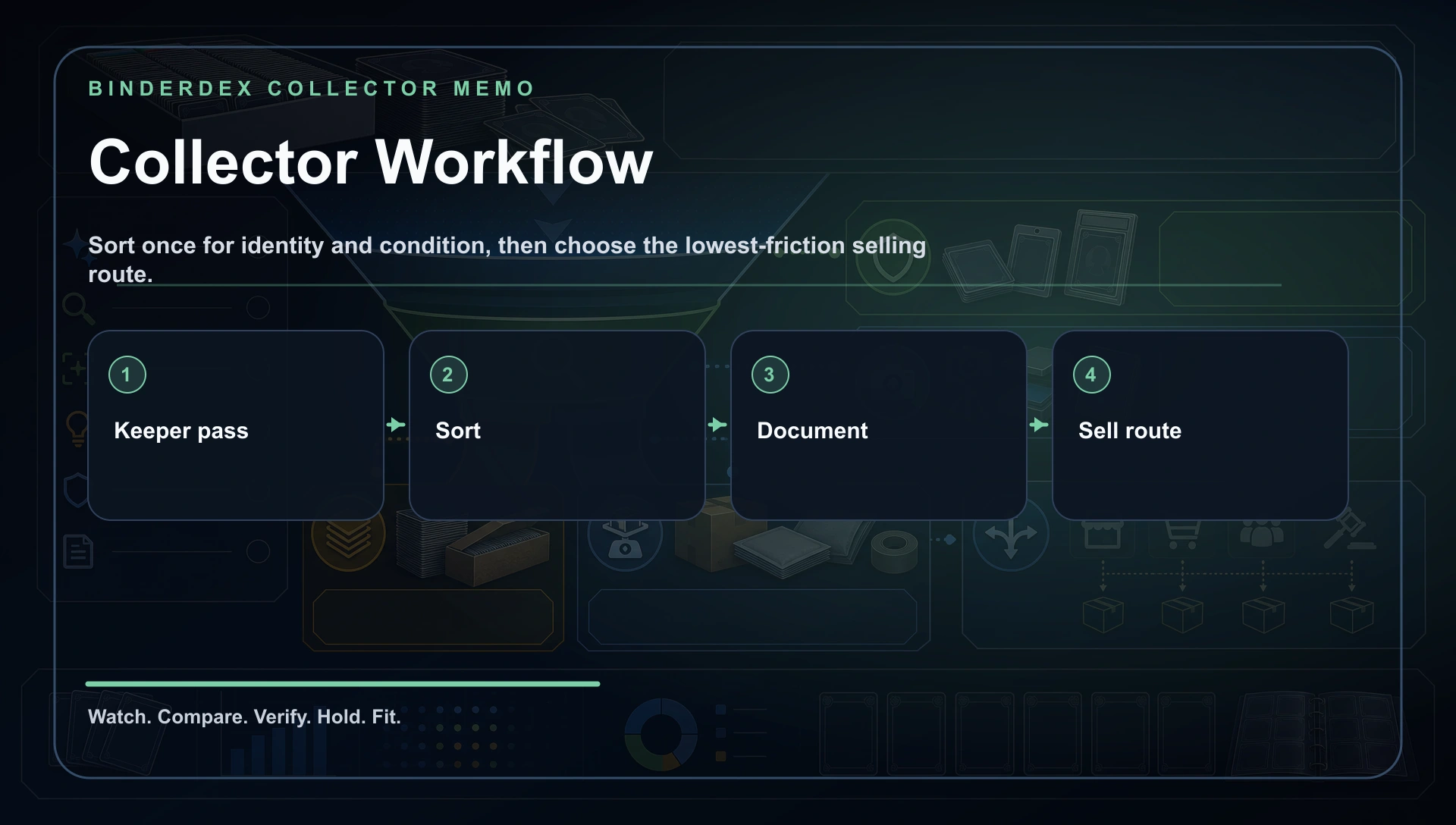
A Better Workflow
1. Make the keeper pass visible
Set up one box and sort it into five visible sections: keep, verify, sell individually, bulk route, and damaged or low-confidence.
Pull anything that creates a reason to pause: older era, holo treatment, promo stamp, textured surface, unusual language, favorite binder target, playable trainer, or a card that fills a set number.
Make the piles visible enough that you can explain them later. A sticky note that says "promos and holos removed" is better than trying to remember after the cards are packed.
| Pile | Put here | Next action | Listing risk avoided |
|---|---|---|---|
| Keep | Binder needs, favorite Pokemon, set fillers, Pokedex goals. | Return to the collection or mark in BinderDex. | Selling a card you will need to reacquire. |
| Verify | Older cards, promos, holos, variants, playable trainers, unusual language. | Identify and check condition before routing. | Treating a review card as anonymous bulk. |
| Single | Cards where exact identity and condition justify a standalone listing. | Photograph, value-check, and package separately. | Flattening a strong card inside a broad lot. |
| Bulk | Modern duplicate commons, uncommons, energies, played filler after review. | Count or weigh, then choose shop, trade, donation, or lot route. | Overworking cards that do not need individual handling. |
| Damaged | Creased, bent, water-damaged, or low-confidence cards. | Disclose separately or exclude. | Condition disputes and buyer disappointment. |
2. Choose the route after sorting
Local shop routes work when speed matters and the pile matches the shop's sorting expectations. Marketplace lots work when photos and description can make the contents clear. Trade routes work when the pile has playable or set-filler utility.
Donation fits when the collection goal is simply to move cards responsibly. The route should follow the pile. If the sorted cards tell a clear marketplace story, the listing needs to name that story. If they fit a shop or trade route better, use that route.
3. Protect the buyer's expectations
Bulk listings should not imply hidden treasure. State what has been removed, what remains, the approximate era mix, the condition range, whether duplicates are heavy, and whether energy cards or code cards are included.
Plain language is a seller advantage here. A useful description reads more like this: "About 1,200 modern Pokemon cards from Sword and Shield through Scarlet and Violet. Holos, promos, and older cards removed. Heavy duplicates. Played to near-mint mix. Energy cards included. Photos show representative wear."
That kind of listing is less exciting than mystery language, but it gives the buyer the same pile you sorted.
4. Keep a record before the pile leaves
Photograph the sorted piles, save a count or weight note, and mark keepers in BinderDex before shipping or meeting a buyer. This gives you a record of the decision and prevents second-guessing later.
When a future binder project starts, you will know which cards were intentionally moved and which cards stayed. When shipping the lot, use how to ship Pokemon cards safely when selling online before choosing the packaging route.
A record matters because bulk decisions are hard to reconstruct. Once the pile leaves, your photos and notes are the only memory of what was intentionally moved.
The clean seller record is short: date sorted, approximate count, era range, categories removed, damaged-card handling, and route chosen. If a buyer asks what was pulled, you can answer without guessing.
Examples That Change The Decision
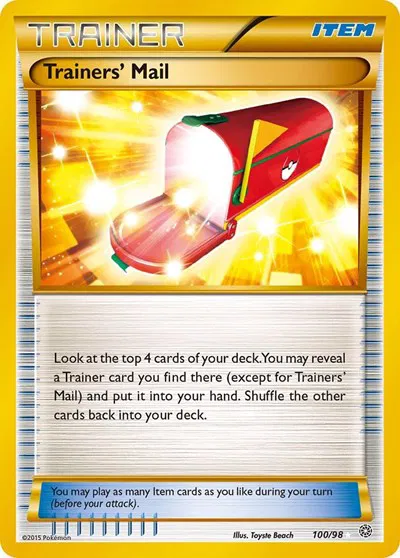
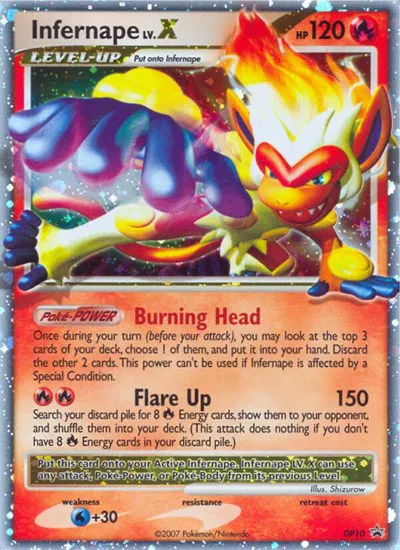
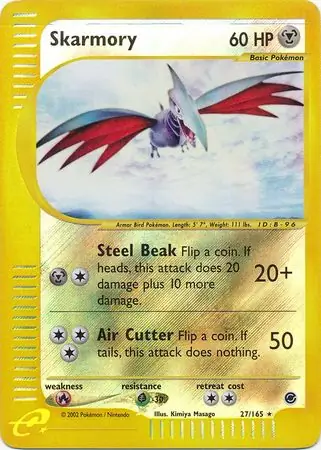
These examples use exact BinderDex card identities to show which cards should leave a bulk pile before the lot is described. Infernape and Skarmory values were refreshed from production RDS on June 4, 2026; other low-dollar examples are route examples and should be checked live before any sale.
A keeper pass separates true bulk, set filler, low-dollar review cards, and exact-card singles before the pile leaves.
| Card found in the pile | Evidence to check before routing | Pile after keeper pass | Listing note it creates |
|---|---|---|---|
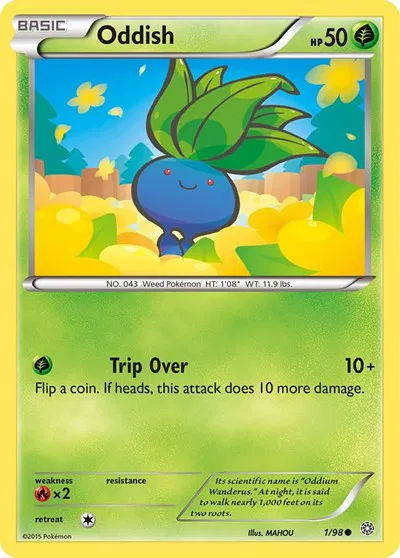
| Oddish, Ancient Origins, 1 | Exact card and set-filler need. | Bulk or set-filler pile. | "Modern low-dollar filler after set needs checked." |
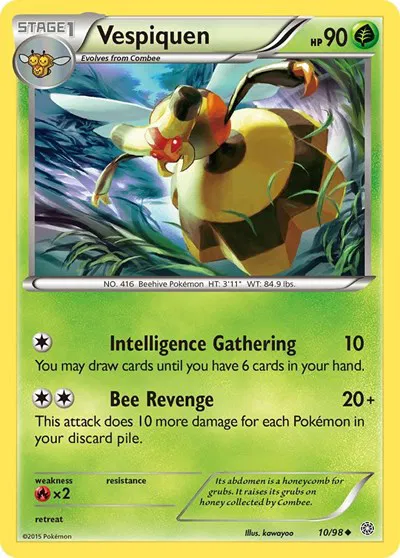
| Vespiquen, Ancient Origins, 10 | Exact card, duplicate density, and condition. | Bulk, set-filler, or trade filler. | "Low-dollar uncommon, heavy duplicate risk if repeated." |
| Trainers' Mail, Ancient Origins, 100 | Exact trainer demand and current low-dollar single context. | Pull-first trainer or themed lot card. | "Playable/trainer-style card removed from main bulk before lot count." |
| Infernape Lv.X, Diamond and Pearl Promos, DP10 | TCGplayer NM $77.82; LP $39.51; MP $20.30; HP $10.84; Damaged $8.82. | Exact-card review before sale. | "Older promo excluded; condition checked separately." |
| Skarmory, Expedition, 27, Holofoil | TCGplayer NM $76.00; LP $62.36; MP $39.52; HP $33.11; Damaged $23.53. | Older holo review pile. | "Older holo excluded from bulk; verify finish and condition." |
Each example changes the description. That is the point of the keeper pass: the buyer should understand the same pile you sorted.
Listing Description Checklist
Before listing bulk, make the description specific enough that the buyer is not guessing. The title should name the pile, not create suspense.
- Approximate count or weight.
- Era or set range where known.
- Whether holos, rares, promos, vintage, or higher-context cards were removed.
- Duplicate density.
- Condition range, including damaged cards if included.
- Whether energy, code cards, Japanese cards, or non-English cards are included.
- Photos of the whole pile and representative cards.
- Shipping or local pickup expectations.
The strongest sentence is often the exclusion sentence: "Holos, promos, older cards, and personal binder needs were removed." If that sentence is not true yet, the pile needs another pass.
When individual cards still need exact price context, use how to check Pokemon card value on those cards before they return to the bulk box.
Tradeoffs Before You Act
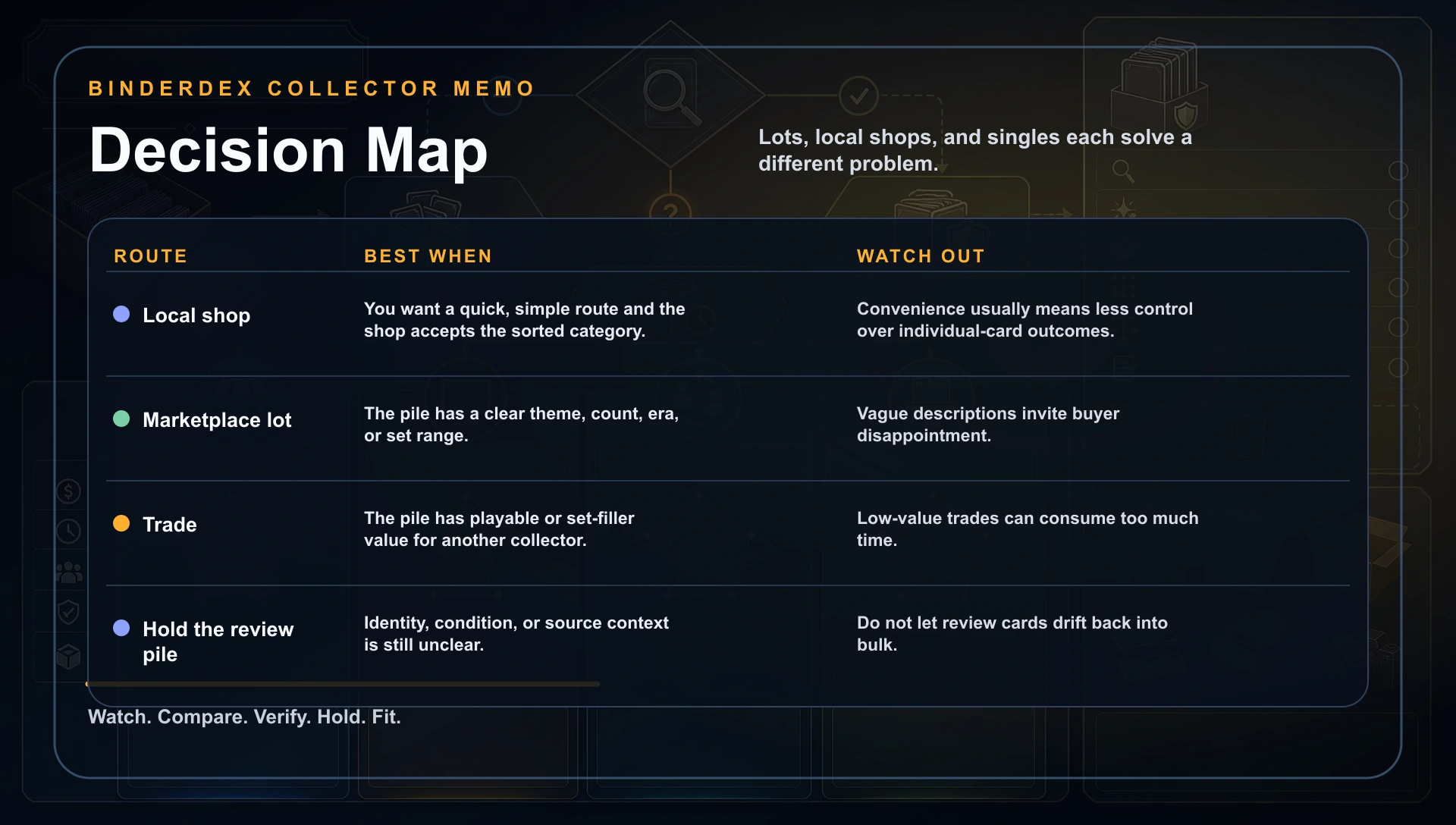
Bulk selling is a route choice, not a dump pile. A shop offer prioritizes speed. A sorted lot prioritizes buyer clarity. A set-filler route prioritizes numbers and condition range. Holding only makes sense when the card still has a collection job.
| Action | Best when | Check first | Watch out for |
|---|---|---|---|
| Local shop | The pile matches the shop's accepted categories and speed matters. | Current shop requirements and whether they want the card types you have. | Convenience usually means less control over individual-card outcomes. |
| Marketplace lot | The pile has a clear theme, count, era, or set range. | Photos, condition range, exclusions, duplicate density, shipping method. | Vague descriptions invite buyer disappointment. |
| Trade | The pile has playable or set-filler value for another collector. | Whether the trade improves your binder goal. | Low-value trades can consume too much time. |
| Hold the review pile | Identity, condition, or source context is still unclear. | Exact card page and current sold context. | Review cards can drift back into bulk if they are not marked. |
Route bulk only after you can name what the pile is and what it is not. If holos, older cards, promos, or set needs were removed, say that. If the pile is duplicate-heavy, say that. If condition is mixed, say that. The cleaner the description, the lower the trust tax.
When older cards, cleaner holos, promos, playable cards, or set-fillers appear during sorting, pause the sale and separate them before writing the listing.
How BinderDex Fits
BinderDex fits the keeper pass. Use it to preserve exact-card context: card identity, binder fit, watchlist status, portfolio notes, and the reason a card moved into a given route.
That matters because sale context gets detached from cards during a long sort. A card gets sorted as bulk but later turns out to fill a set. A playable card gets counted with filler. A damaged card gets mixed into clean bulk.
During the keeper pass, use BinderDex to search exact cards, mark sale candidates, and add notes when identity or condition is incomplete. Notes like "verify promo stamp," "keep for Pokedex page," and "bulk after reverse holos removed" make the later route easier to trust.
The clean route: pull keepers and review cards first, disclose the pile that remains, then choose the fastest route that still matches the sorted pile honestly.
FAQ
Should I remove holos before selling bulk?
Holos, reverse holos, textured cards, promos, and older rares belong in the review pile before the rest is described as bulk.
What should I say if the hits were already removed?
Say that plainly. A clear listing can still work when it names the exclusions, era mix, duplicate density, condition range, and intended route.
Should damaged cards go in the same bulk lot?
Only with clear disclosure. Separating damaged cards usually makes the main bulk pile easier to describe and lowers condition-dispute risk.
Is a local shop always better for bulk?
No. A local shop can be lower friction, but a themed lot, trade pile, or donation route may fit better depending on condition, duplicates, shipping work, and collector goals.
What To Watch Next
- Exclusion language: State what has been removed from the bulk pile before listing it. Risk: Buyers may assume holos, vintage, or hits are still included.
- Duplicate density: Mention if the lot is duplicate-heavy or set-organized. Risk: A buyer building sets evaluates bulk differently from a buyer expecting variety.
- Condition range: Use photos and plain language for wear, dents, bends, and damaged cards. Risk: Condition surprises create disputes.
- Keeper notes: Mark cards that serve your own binder before the sale. Risk: You can sell the cheap card you needed to finish a page.
Know exactly what is in your collection.
Download BinderDex on iPhone or Android to track exact printings, organize your binders, and follow card and sealed product values in one place.
Prefer mobile?