If you have a sell pile on the table, do not start with eBay versus TCGplayer. Start with the card that might change the whole decision: what it is, what shape it is in, and what a buyer would need to trust it.
Selling first and checking value later gives away leverage. Identify the card, pull anything that needs review, then choose between marketplace reach, local speed, show-table inspection, a direct sale, or bulk handling.
The venue is a route choice, not a badge. A strong route should tell you what you net, what proof the buyer needs, and what risk you are accepting.
- Confirm the specific print and condition before picking a selling venue.
- Treat high-context singles differently from bulk, played cards, and duplicates.
- Compare final net price, not the headline sale price.
- Marketplaces fit when reach matters; local options fit when speed and simplicity matter.
- Keep personal binder-fit cards out of the sell pile until the collection goal is clear.
- Call or message local buyers before hauling volume. A shop that does not want your category is not a selling route.
Start with the card itself
Before you pick a venue, identify the card through card search. Confirm the set, card number, rarity, language, finish, variant, and condition. A name-only search can mix a chase card, a reprint, a promo, and a low-value copy.
Condition changes both price and buyer expectation. A near-mint modern chase card can justify individual photos, tracking, and a careful listing. A played duplicate may be better grouped with other cards.
A questionable card should not be described as clean until the condition and authenticity story are clear.
The walkthrough in how to check Pokemon card value helps here. It protects the sale decision from two common mistakes: pricing the wrong version and treating asking prices as actual sales.
Variant can decide the route before the venue does. In the June 4, 2026 BinderDex production snapshot, Charizard Base Set 4 showed a Collectr NM 1st Edition Holofoil row at $16,800.00 and a Collectr NM Shadowless Holofoil row at $2,146.38. That is why a seller should confirm edition, shadowless status, finish, and condition before choosing eBay, TCGplayer, a shop, or a show table.
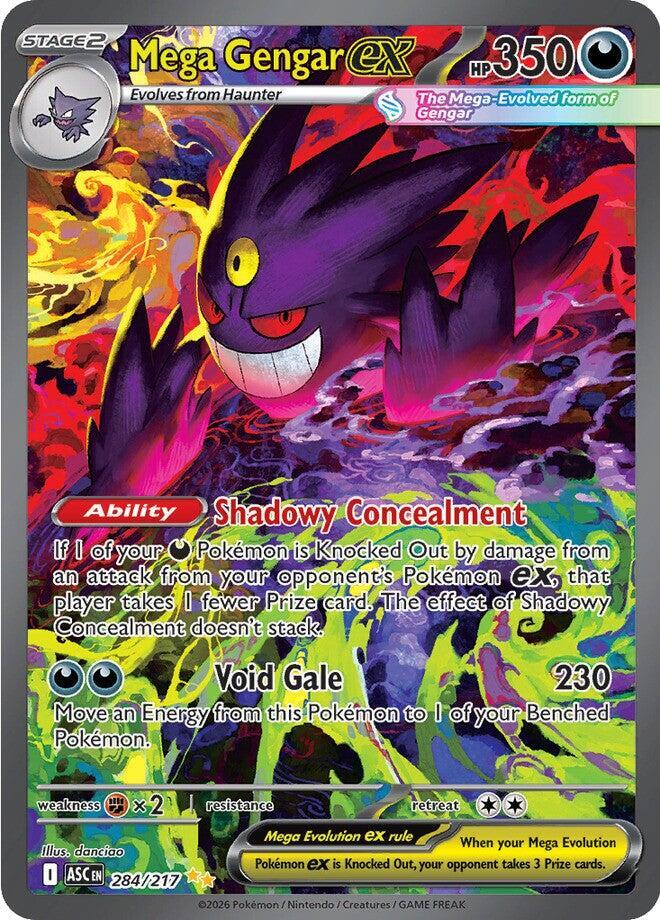
High-value singles need clear identity, plain condition notes, and a selling channel that justifies the extra work.
Price and chart data update with BinderDex · Last refreshed Oct 11, 2026. Editorial commentary reflects the article's published snapshot.
Match the card to the channel
The selling channel should follow the card type. A marketplace gives reach and listing context, but it adds photos, fees, shipping, messages, returns, and dispute risk.
A local card shop is faster and simpler, but the offer has to leave room for resale. A card show or direct collector sale can work well when trust and inspection happen in person. Bulk lots trade precision for speed.
| Channel | Fits when | Before you commit | Watch for |
|---|---|---|---|
| Marketplace listing | The card is a strong single with enough value to justify photos, packing, and buyer questions. | Recent sold comps for the same version and condition. | Fees, returns, shipping damage, and active listings that are only asking prices. |
| Local card shop | You want speed, simplicity, or an in-person condition review. | Whether the shop buys that era, condition, and volume. | Offers usually account for resale margin, risk, and inventory cost. |
| Card show or direct collector | The card benefits from in-person inspection or known collector demand. | Safe meeting terms, table rules, and comparable sold prices. | Negotiation pressure and uneven buyer knowledge. |
| Bulk lot | Most cards are low-context duplicates, commons, uncommons, or played filler. | Whether any cards should be pulled into a review pile first. | Hiding one valuable card inside a low-value lot. |
| Hold or watch | The evidence is thin or the card still fits your binder. | Price history, collection goal, and condition notes. | Moving a card because one source looked high or low for the wrong version. |
The main question is not "which site pays the most?" It is "where does this card make sense after fees, time, shipping, and trust are included?"
Source choice matters too. Rayquaza Gold Star from EX Deoxys showed Collectr NM holo at $7,173.33 and TCGplayer NM normal at $2,500.99 in the June 4 BinderDex snapshot. That gap is not automatically a venue answer. It is a warning to verify variant, finish, source, and sold context before telling yourself one channel is underpaying.
Seller scenarios
High-value single
Take a clean modern chase card, a popular illustration rare, or a scarce vintage holo with clear sold context. It deserves its own review before it joins a box or lot.
A marketplace listing can make sense if the comps are easy to verify and the card photographs well. A card show or direct collector sale may be better when buyers want to inspect surface, corners, centering, and whitening in person.
Hold/watch still belongs on the table if the condition is hard to call, sold comps are thin, or the card anchors a binder page. A strong card does not need to move just because the market is visible.
Played vintage card
Now take a Base Set, Jungle, Fossil, or Neo-era card with whitening, holo scratches, a crease, or a childhood binder dent. Treat it differently from a clean modern single.
Condition wording matters more here. TCGplayer separates Near Mint, Lightly Played, Moderately Played, Heavily Played, and Damaged, with structure, playability, and authentication in the condition story.
For played vintage, photos may carry more trust than a short label. Detailed marketplace photos, a card show table, or a local shop review can be cleaner than making one condition word do all the work.
Mixed duplicate box
Suppose the box has Scarlet and Violet duplicates, extra trainers, reverse holos, a few ex cards, childhood bulk, and random promos. Sort it before deciding how to sell.
Pull textured cards, vintage, stamped cards, popular Pokemon, clean promos, slabs, and anything you cannot identify quickly. The rest can become bulk, a trade pile, a donation pile, a set-filler box, or a themed lot.
The useful question is whether sorting changes the outcome. If one or two cards would change the box story, they should not stay hidden inside the broad lot.
Graded card
A graded card has a different buyer expectation because the slab is part of the product. The best venue depends on the grading company, grade, cert visibility, card identity, and recent sales for that grade.
eBay-style marketplace reach can help when there are enough same-grade comps. A card show can help when buyers want to inspect the slab, label, scratches, and eye appeal. A local offer can make sense when speed matters more than wider reach.
Do not treat the grade as the whole answer. A PSA 9, CGC 10, BGS 9.5, or TAG slab can each have a different buyer pool. The same card in the same grade may still vary by centering, eye appeal, and recent sales.
Local shop or card show
For a shop visit or card show, bring a small review pile instead of an unsorted box. Put the cards in sleeves and keep a simple note with identity, condition concerns, and recent comp ranges.
That preparation does not force a deal. It helps you weigh speed and inspection against the possible reach of an online marketplace. If the offer does not match your notes or the card still fits the binder, hold/watch is valid.
Compare final net price
The sale price is not the same as the money you keep. Before choosing a marketplace, estimate the final net after current platform costs, payment or transaction costs, shipping materials, postage, insurance, and optional promotion.
Add the work, too: photos, messages, packing, and handling possible issues.
TCGplayer's fee page breaks out marketplace commission, transaction fees, Pro fees, Direct costs, and account-specific differences. eBay says selling costs depend on what you sell, listing setup, seller performance, and whether you have a Store.
Those pages can change, so check them at listing time instead of copying an old percentage from memory.
- Sold comps: Recent completed sales for the same card and condition.
- Platform costs: Current marketplace fees, payment or transaction costs, shipping labels, insurance, and optional promotion.
- Shipping risk: Tracking, packaging, and whether the card value needs stronger protection.
- Time cost: Photos, listing, messages, packing, and handling possible issues.
- Buyer clarity: Whether the buyer can understand the card without extra education.
A simple worksheet is cleaner than a fixed fee shortcut:
| Line | What to write down |
|---|---|
| Expected sale range | Recent sold comps for the same card, condition, language, finish, and grade if slabbed. |
| Current platform costs | The fee lines from the marketplace's current seller page for your account and listing type. |
| Shipping and supplies | Postage, mailer, sleeve, top loader, team bag, box, insurance, and signature service if used. |
| Optional costs | Promotion, table fee, travel, or other channel-specific costs. |
| Time and risk buffer | Photos, messages, packing, returns, disputes, and the chance your condition call is challenged. |
| Rough net | Expected sale range minus the costs and risk buffer you can actually defend. |
Example: if sold comps point to a card around $120, do not compare a $120 headline to a $90 local offer. Compare the likely online net after current costs, shipping, materials, and risk to the local offer's speed and certainty.
If the rough online net still looks meaningfully higher and you are comfortable with the work, a marketplace listing may be worth it. If the local offer is close to the rough net, the simpler choice may be reasonable.
If the comps are messy, hold/watch may be the better answer for now.
When local selling makes more sense
Local selling can be the better answer when speed, certainty, and inspection matter more than wider reach. A card shop can quickly separate clean singles, played cards, and bulk.
A show can put the card in front of collectors who understand the set or character. A local collector can inspect condition in person, which can reduce back-and-forth.
That does not mean local always pays best. It means local can be more practical when the card is condition-sensitive, the lot is mixed, or the time cost of online selling is too high.
If you are meeting locally, bring a small review pile, not an unsorted box. Separate likely singles from bulk. Keep your own notes on card identity and recent comps. A buyer can still disagree, but you will know the tradeoff.
For a local shop, call or message first if the pile is large, vintage-heavy, damaged, Japanese-language, or mostly bulk. Some shops focus on sealed product and modern singles. Others are more comfortable with older binders, played cards, or buylist-style volume.
For a card show, sort cards so the conversation is easy: high-value singles, played vintage, slabs, and bulk should not be mixed together. If a buyer only wants one part of the pile, the rest of your plan stays intact.
That preparation also protects the seller from counter-pressure. You can accept a lower local number when speed is the point, but you should know what speed is costing you.
When bulk should stay bulk
Bulk should be handled differently from review-pile cards. Ordinary modern commons, uncommons, duplicates, and played filler usually do not deserve the same amount of pricing work as chase singles.
The mistake is skipping the sort. Pull holos, promos, vintage, textured cards, clean popular Pokemon, slabs, stamped cards, and anything unusual before treating the rest as a lot. Then decide whether the remaining cards are better handled as bulk, traded locally, donated, used for set filling, or kept for binder projects.
A mixed duplicate box can also become more than one low-effort outcome. Duplicate trainers might become a play pile. Modern reverse holos might become a set-filler lot. Damaged childhood cards may need their own clear condition group.
The point is to avoid making one broad "Pokemon card lot" carry every card's story.
For mostly volume, start with how to sell bulk Pokemon cards without missing the keepers. For a mixed sell pile, should you sell Pokemon cards individually or as a lot covers the singles-versus-lot decision.
How BinderDex fits
BinderDex keeps the sell decision attached to the specific card. Use Portfolio for owned-card context, Watchlist when a card needs more price history, and Explore when the identity check is not finished.
Before a card leaves the collection, write the plan in plain language: single review, group as lot, local review, hold, watch, grade research, or keep for binder fit.
That note keeps the decision from drifting when a marketplace listing, local offer, or short-term price move changes the mood.
The clean route: match high-context singles to the channel that earns the work, move true bulk through the lowest-friction honest route, and hold cards when identity, condition, or binder fit is still unsettled.
If the sell pile came from a larger box, pair this article with how to find out what your Pokemon card collection is worth. The collection estimate should tell you which cards are worth individual selling work and which ones should stay grouped.
FAQ
What is the best place to sell Pokemon cards?
There is no single best place. Marketplaces can give reach, local shops can give speed, shows can give in-person inspection, and lots can simplify low-value volume. The best path fits the card, condition, value, and time cost.
Should I sell Pokemon cards on eBay or TCGplayer?
eBay may fit when broad reach, auctions, graded cards, or unusual listings matter. TCGplayer may fit when the card has a clear product page, condition category, and singles-market buyer expectation. Compare the final net price and work required before choosing.
Should I sell to a local card shop?
A local card shop can be a good fit when you want speed, inspection, and less shipping risk. Expect the offer to reflect resale margin and shop risk, not the full marketplace listing price.
Should I grade before selling?
Only if the card's identity, condition, raw value, likely grade range, grading cost, and timeline support the plan. Start with how much it costs to grade a Pokemon card before treating grading as a selling shortcut.
What if I have one strong card and a box of duplicates?
A split plan usually fits better. Review the strong card by identity and condition, then sort the duplicate box for bulk, set filler, playable trainers, damaged cards, and personal keeps.
What to watch next
- Fee changes: Check current marketplace and payment policies before listing. Risk: old fee assumptions can make a channel look better than it is.
- Shipping protection: Match packaging, tracking, and insurance to the card value. Risk: a strong sale can turn into a bad outcome if the card is damaged or disputed.
- Condition wording: Be conservative with condition and photos. Risk: optimistic condition language creates buyer friction.
- Binder fit: Remove personal keepers before building a sell pile. Risk: selling a card that still supports the collection you actually want.
Price the route before choosing it
Read How to Sell Pokémon Cards Without Undervaluing Your Collection before comparing marketplaces, shops, shows, or lots by headline price alone.
Know exactly what is in your collection.
Download BinderDex on iPhone or Android to track exact printings, organize your binders, and follow card and sealed product values in one place.
Prefer mobile?