Pokemon Card Condition Guide: Near Mint, Played, And Damaged
Stop letting one optimistic condition word drive the whole decision.
Condition is not a vibe. It is the filter that decides whether a price comp, grading plan, sale listing, or trade offer belongs to the card in front of you.
The useful version is this: identify the exact card first, assign the condition lane, then compare that card to the same condition lane. A clean copy and a played copy can both be real, desirable, and collectible. They just should not borrow the same price.
For sellers, condition is also dispute control. The condition word, photos, and flaw notes should give the buyer the same card you are putting in the mail.
- Use condition as a decision filter, not as a polite label.
- Separate Near Mint, Lightly Played, Moderately Played, Heavily Played, and Damaged before comparing prices.
- Price the exact card, finish, and condition together. "Same card" is not enough if one row is Near Mint and the other is Damaged.
- Sparse condition rows can be weird. If a lower condition row is priced above a cleaner row, treat that as a data check, not a rule.
- Surface dents, creases, water damage, stains, peeling, and ink should move the card out of clean-price comparisons.
- Raw condition language does not equal a PSA, CGC, BGS, or TAG grade.
- If the card is important, photograph the back and the angled surface before trusting your first impression.
- Save the condition note before pricing, grading, selling, or trading. Memory gets worse after a stack is sorted.
Start with identity
Do not condition a vague card. Condition only becomes useful after the card is identified by set, collector number, variant, language, finish, and authenticity confidence.
"Pikachu ex" is too broad. "Pikachu ex, Ascended Heroes, 276/217, English, raw, special illustration rare" is a condition target. The first phrase can mix several markets. The second phrase lets a collector decide which photos, prices, and grading examples are relevant.
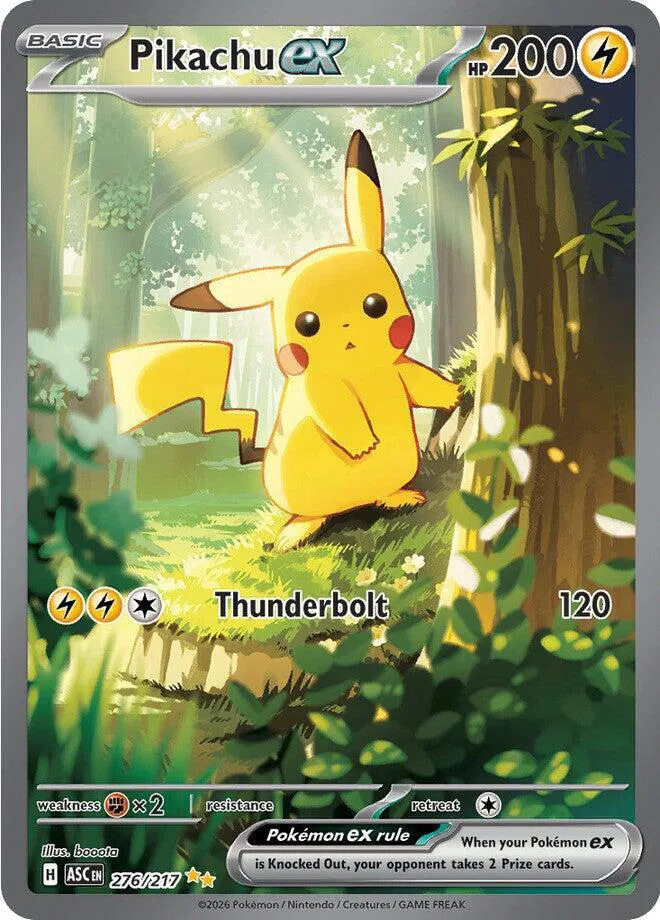
Modern chase cards are a clean reminder that condition should be attached to exact identity. The wrong set, number, or variant makes the condition comparison less useful.
Price and chart data update with BinderDex · Last refreshed Oct 11, 2026. Editorial commentary reflects the article's published snapshot.
Once identity is pinned down, use a simple rule: condition should describe what a buyer, seller, trader, or grader can verify from the card, not what you hope the card is.
That rule protects both sides. It keeps a seller from overpromising. It keeps a buyer from overpaying. It keeps a grader from becoming the first serious condition check.
The five raw condition lanes
Most raw Pokemon card decisions can start with five practical lanes: Near Mint, Lightly Played, Moderately Played, Heavily Played, and Damaged. The exact marketplace language varies, but the decision logic is consistent.
Near Mint is the clean lane. It can tolerate tiny imperfections, but it should not ask a buyer to ignore obvious wear. If whitening, scuffing, corner wear, or a small defect becomes the first thing you notice, treat the card as a review case before calling it near mint.
Lightly Played is the honest "still attractive, not clean" lane. Minor whitening, small edge wear, light surface marks, or small corner issues can fit here when the card still presents well.
Moderately Played is where wear becomes obvious. The card may still be collectible, sellable, or useful for a binder, but the comparison should not borrow Near Mint prices.
Heavily Played is the clear-wear lane. Corners, edges, surface, and color may all show age or handling. The card can still matter, especially for vintage, childhood binders, placeholder copies, or budget collecting, but it needs its own price context.
Damaged is not an insult. It is a disclosure lane. Creases, bends, dents, water exposure, peeling, paper loss, writing, heavy staining, trimming concerns, and structural damage should be named plainly.
- Near Mint: clean front and back, sharp or close-to-sharp corners, no obvious crease, dent, stain, or heavy whitening.
- Lightly Played: minor wear that is visible but not distracting, such as small whitening, light surface marks, or softened corners.
- Moderately Played: obvious wear, scuffing, edge chipping, whitening, or multiple visible flaws.
- Heavily Played: heavy all-around wear, rounded corners, major whitening, surface dulling, or rough binder history.
- Damaged: crease, bend, dent, water damage, writing, peeling, paper loss, staining, trimming, or alteration concern.
What to inspect first
Start with the back. The front can hide a lot behind art, holo, texture, and lighting. The back shows whitening, corner wear, edge wear, dents, and surface impressions more honestly.
Then inspect in this order:
- Corners: sharp, softened, fuzzy, rounded, bent, or missing material.
- Edges: clean, whitening, chipping, peeling, tearing, or uneven cuts.
- Surface: scratches, scuffs, dents, impressions, stains, residue, gloss loss, or texture damage.
- Creases and bends: visible line, pressure bend, binder crease, or structural fold.
- Color and gloss: fading, discoloration, sun damage, water damage, or dull patches.
- Centering: useful for grading review, but not the same as wear.
Do this under boring light. A desk lamp, sleeve glare, or dramatic phone photo can hide the defect that decides the route. If you are selling or trading, take straight-on front and back photos, then angled photos for surface and texture.
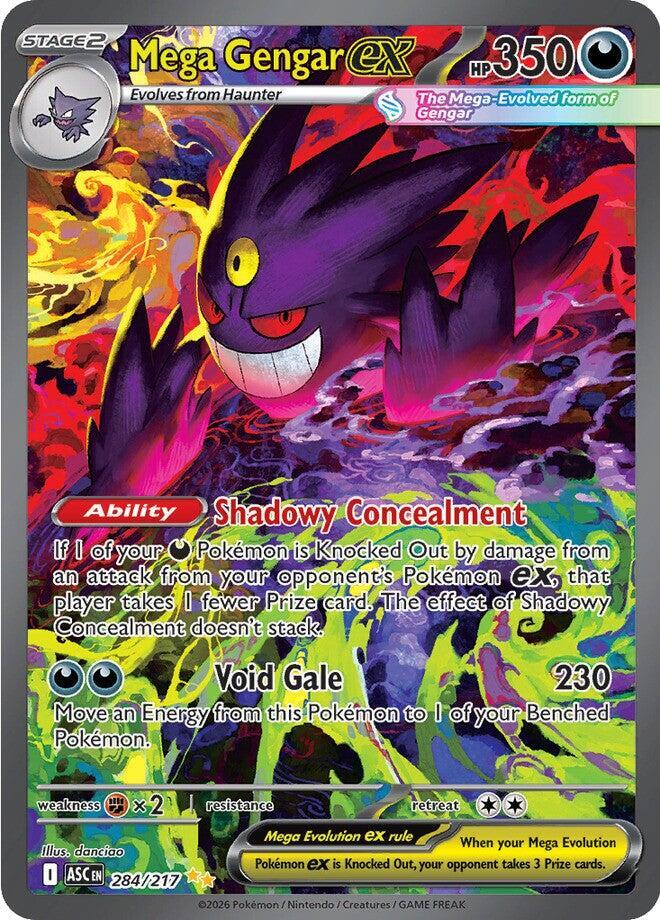
High-value raw cards are where condition discipline matters most. A small back-edge issue or surface dent can change whether a raw comp, grading review, or hold route makes sense.
Price and chart data update with BinderDex · Last refreshed Oct 11, 2026. Editorial commentary reflects the article's published snapshot.
The hardest flaws are often surface dents and pressure marks. A card can look clean from the front and still have an indentation that pushes it out of the Near Mint lane. Run the check slowly before treating a clean-looking front as the final answer.
Use plain notes, not grade guesses. "Back top edge whitening, tiny surface dent above text box" is useful. "Probably NM" is not enough for a sale, trade, or grading decision.
Real condition price examples
These examples use exact BinderDex card records queried from production RDS on June 4, 2026. The TCGplayer condition rows shown here were updated in BinderDex on May 18, 2026, so treat them as condition examples, not live offers.
These are exact-card anchors for the condition examples below. Use the table for condition spreads; the card rail keeps the examples tied to real identities.
| Exact card | Condition rows checked | Price discrepancy | What the example teaches |
|---|---|---|---|
| Pikachu ex, Ascended Heroes, 276/217 | Near Mint $1,224.19; Lightly Played $856.97 | LP is $367.22 lower, about 30.0% below NM | A clean modern chase cannot be priced from memory. One small but real condition downgrade can move hundreds of dollars. |
| Mega Gengar ex, Ascended Heroes, 284/217 | Near Mint $1,316.45; LP $1,103.00; MP $512.68; HP $450.00; Damaged $650.00 | MP is $803.77 lower than NM, about 61.1% below NM | On expensive cards, "played" is not one bucket. Also notice the damaged row sits above HP, which is a warning to sanity-check sparse rows. |
| Mega Charizard X ex, Phantasmal Flames, 125/094 | Near Mint $839.02; LP $752.47; MP $560.26; Damaged $432.50 | Damaged is $406.52 lower, about 48.5% below NM | Even a marquee modern card needs the actual lane. The name does not rescue a damaged copy into clean-card pricing. |
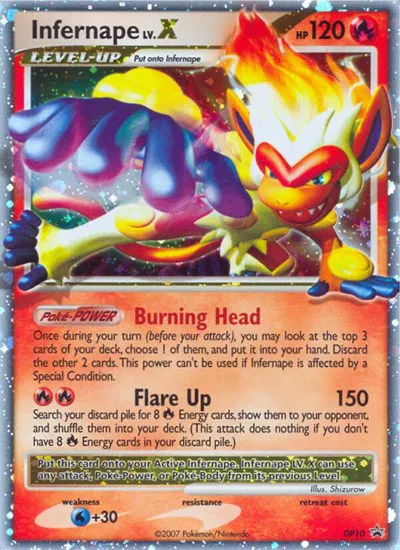
| Infernape Lv.X, Diamond and Pearl Promos, DP10 | Near Mint $77.82; LP $39.51; MP $20.30; HP $10.84; Damaged $8.82 | Damaged is $69.00 lower, about 88.7% below NM | Older promo cards can have a full condition ladder. This is where back whitening, edge wear, and creases change the route quickly. |
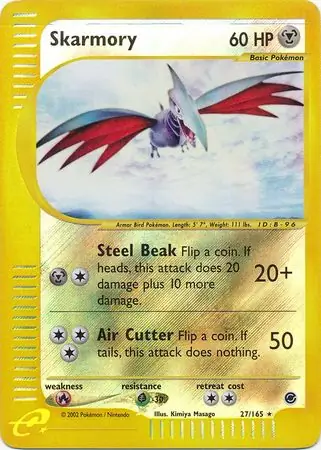
| Skarmory, Expedition, 27, Holofoil | Near Mint $76.00; LP $62.36; MP $39.52; HP $33.11; Damaged $23.53 | Damaged is $52.47 lower, about 69.0% below NM | Vintage and e-reader cards need both finish and condition. This card also has reverse holo rows, so finish is part of the price identity. |
The modern chase problem
The Pikachu ex example is the mistake most collectors actually make. A card gets pulled, sleeved, and mentally filed as clean. Then price checking starts from the Near Mint row.
That can be right, but only after the back and surface pass. In the current BinderDex TCGplayer rows, the Near Mint row is $1,224.19 and the Lightly Played row is $856.97. The gap is $367.22. That is enough money that a small back-edge ding, a corner nick, or a pressure mark should change the comparison before a grading plan starts.
The card can still be excellent. The question is narrower: is this copy clean enough to compare to Near Mint, or is it a Lightly Played copy that happens to look great in a sleeve?
The old-card ladder
Infernape Lv.X is the cleaner teaching example because it has all five condition rows in one finish. Near Mint is $77.82. Lightly Played is $39.51. Moderately Played is $20.30. Heavily Played is $10.84. Damaged is $8.82.
That does not mean every old promo follows the same percentages. It means the lane matters. A card with back whitening and soft corners can still be worth collecting, selling, or keeping, but the price question changes from "what is a clean copy worth?" to "what are played copies actually doing?"
The finish and variant trap
Skarmory from Expedition has holofoil and reverse holofoil rows. If a collector only says "Skarmory Expedition 27," the price check can drift. For the holofoil row, Near Mint is $76.00 and Damaged is $23.53. The reverse holofoil rows are separate.
This is why condition work starts after identity work. Set, number, finish, and condition all travel together. If one of those is wrong, the price comp can point at the wrong market.
The sparse-row caveat
Mega Gengar ex is the caveat row in this snapshot. The damaged row sits above the HP row. That does not mean damage is suddenly better than heavy play. It means the source/listing mix is thin or uneven enough that you should sanity-check recent sold context before treating a row as gospel.
That caveat matters in seller work. When condition rows look strange, do not average them into a neat discount. Compare conservatively and keep the flaw notes close to the price decision.
For low-dollar cards, use condition to avoid misleading yourself or a buyer. Do not turn a $2.51 spread into a grading project unless the card has some other reason to matter.
How to use the examples
The examples are not a universal discount chart. Do not take "LP is 30% lower" from one Pikachu ex row and apply it to every card. The better workflow is simpler and more reliable:
- Identify the exact card and finish.
- Inspect the card and assign the most honest condition lane.
- Compare against that same condition lane when the row exists.
- If the condition row is missing, sparse, or priced strangely, use sold listings or compare lower until better evidence exists.
- If a lower condition row is priced above a cleaner row, do not force the data to make sense. Treat it as a signal to inspect the source, listing mix, or variant.
For any card that could become a dispute, keep the note in this order: exact card, finish, visible flaws, condition lane, photos taken, and route. That route might be sell raw, hold, grade research, binder copy, or damaged disclosure.
- Same source: Do not mix Collectr Near Mint with TCGplayer Damaged and call the difference a clean condition discount.
- Same variant: Holofoil, reverse holofoil, stamped, promo, and language variants can each need their own comparison.
- Same condition: Near Mint, LP, MP, HP, and Damaged are different markets when the card is expensive enough.
- Same evidence quality: A clear back photo beats a hopeful seller label.
- Same route: A binder copy, raw sale, trade offer, and grading candidate should not all use the same condition assumption.
Condition decision routes
Condition should send the card into a route. It should not sit as a loose adjective.
| Condition read | Better next step | Check first | Watch out for |
|---|---|---|---|
| Clean raw candidate | Compare Near Mint raw comps, then decide whether grading review is worth it. | Back corners, surface dents, centering, and recent exact-card sales. | Treating pack-fresh as automatically grade-ready. |
| Light wear | Compare Lightly Played or conservative raw comps. | Whether wear is visible in photos and whether the front still presents well. | Using Near Mint comps because the card still looks nice in a sleeve. |
| Obvious wear | Use MP or HP comps, or keep as a binder copy. | Scratches, whitening, corner rounding, edge chipping, and seller disclosure. | Letting nostalgia or character demand hide the wear. |
| Structural damage | Treat as Damaged unless a trusted standard says otherwise. | Creases, dents, bends, peeling, water, writing, and paper loss. | Calling a crease "LP" because the front photo looks clean. |
| Missing condition row | Use lower, better-supported comps or recent sold examples. | Whether the source has enough listings for that condition. | Inventing a discount because the exact row is missing. |
| Unclear from photos | Hold, ask for more photos, or compare lower. | Back photo, angled surface photo, edge close-ups, and neutral light. | Making a price decision from sleeve glare. |
The conservative route is not always the final route. It is the safer starting point. If better photos, in-person inspection, or a professional opinion supports a stronger condition call, update the record. Until then, do not let an optimistic label do the work.
The clean route: price from the condition lane you can defend with photos. If the condition lane is uncertain, compare lower or hold until the evidence improves.
How BinderDex fits
BinderDex should keep exact-card identity and condition notes together. The condition note is part of the card record, not a separate memory you hope to keep.
Use card search to find the exact card. Add a plain note like "front clean, back top edge whitening," "surface dent under angled light," "possible LP, needs back photo," or "damaged crease, keep as binder copy." Those notes make later value checks cleaner.
For collection reviews, split cards into four groups:
- clean enough to price as Near Mint,
- likely played and needs its own comparison,
- damaged or low-confidence,
- worth holding until better photos or inspection.
That sorting prevents a single collection total from mixing clean chase cards, played vintage, damaged childhood cards, and uncertain cards into one fragile number.
The real improvement is operational. If a card like Infernape Lv.X moves from Near Mint to Moderately Played, the BinderDex note should explain why: "back whitening on both top corners, light scratches, no crease, compare MP." That note is more useful than a bare "played" tag because it tells the next decision maker what to check.
If the next question is value, pair this with How To Check Pokemon Card Value. If the next question is grading, use How To Grade Pokemon Cards. If the next question is selling, use Where To Sell Pokemon Cards after the condition lane is honest.
FAQ
Is Near Mint the same as PSA 10?
No. Near Mint is a raw marketplace condition lane. PSA 10, CGC 10, BGS 10, and TAG 10 are grading outcomes with company-specific standards. A raw Near Mint card can still miss top grades because of centering, print lines, surface marks, or tiny edge issues.
Can a pack-fresh Pokemon card be Lightly Played?
Yes. Pack-fresh does not guarantee Near Mint. Factory corner damage, edge whitening, surface dents, print lines, and packing pressure can appear before the card ever reaches a binder.
Should I list a borderline card as Near Mint or Lightly Played?
When the decision matters, be conservative and show photos. A slightly lower condition label with clear photos creates less buyer friction than a Near Mint label that depends on the buyer ignoring a visible flaw.
Are damaged cards worth keeping?
Sometimes. Damaged cards can still fit a binder, complete a set, hold nostalgia, or give a collector an affordable copy. They just need damaged-card expectations for value, sale, trade, and grading decisions.
Why can a lower condition row ever cost more than a cleaner row?
Sparse markets can behave strangely. A damaged row may have fewer listings, a different seller mix, or stale data. When that happens, do not treat the odd row as a new rule. Treat it as a reason to check recent sold listings, verify the finish, and compare conservatively.
What photos are best for checking condition?
Use front and back photos under neutral light, then angled photos for surface and texture. Add close-ups of corners, edges, dents, creases, stains, and any flaw that could change the condition lane.
What to watch next
- Back-photo confidence: Ask for or take a clean back photo before trusting Near Mint. Risk: front-only photos hide whitening and dents.
- Surface dents: Check under angled light. Risk: a small dent can matter more than a clean front suggests.
- Condition-source mismatch: Compare to the same condition lane on TCGplayer, eBay, or another marketplace. Risk: clean-card comps can overstate played-card value.
- Variant leakage: Confirm holofoil, reverse holofoil, promo stamp, language, and collector number before using a condition row. Risk: the condition call is right but the market is wrong.
- Sparse-row weirdness: Watch for lower condition rows priced above cleaner rows. Risk: a thin listing pool can make a bad comp look authoritative.
- Grade-route confusion: Treat raw condition and grading outcomes as separate systems. Risk: "Near Mint" becomes shorthand for a top-grade assumption.
Know exactly what is in your collection.
Download BinderDex on iPhone or Android to track exact printings, organize your binders, and follow card and sealed product values in one place.
Prefer mobile?